Unlicensed cross-border sales of prescription drugs: the harm to consumers and how to respond
The gray market fueled by cross-border drug buying: real cases of medicines sold without a license offline, online and on social media, and how to respond.
 Irene Lee4 min read
On this page2
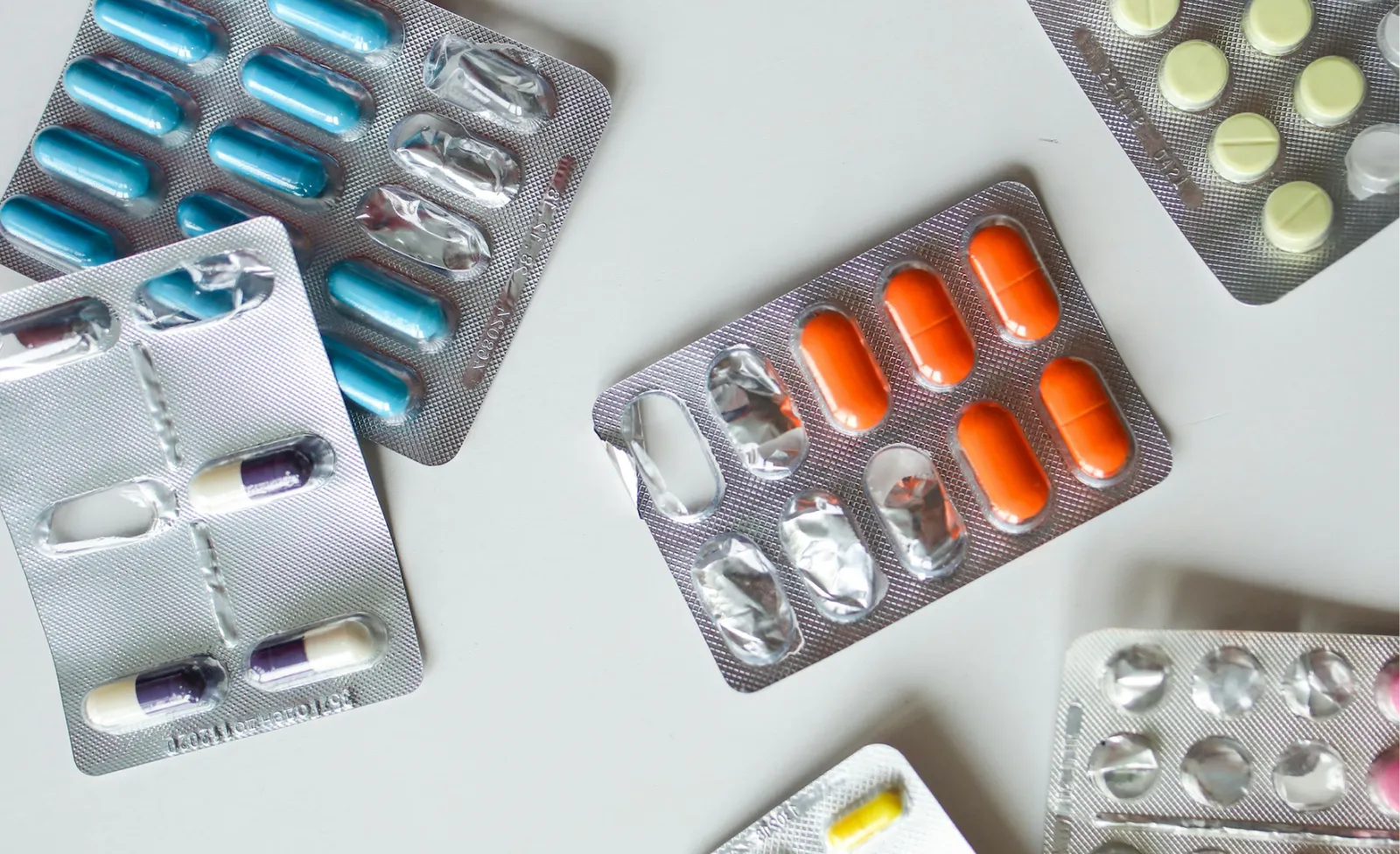
As online shopping spreads, more consumers are buying even medicines directly from overseas, raising concerns about consumer harm. Shoppers have more choice thanks to the variety of products and the convenience of sales channels, but the threat of unlicensed sales and counterfeits has grown too. When people think of counterfeits and gray-market (unauthorized) sales, electronics, fashion and beauty products usually come to mind first. In this post, we look at how drugs reach the gray market, and how brands can prevent it and protect themselves.
Other keywords for unlicensed sales: cross-border direct purchase and proxy buying
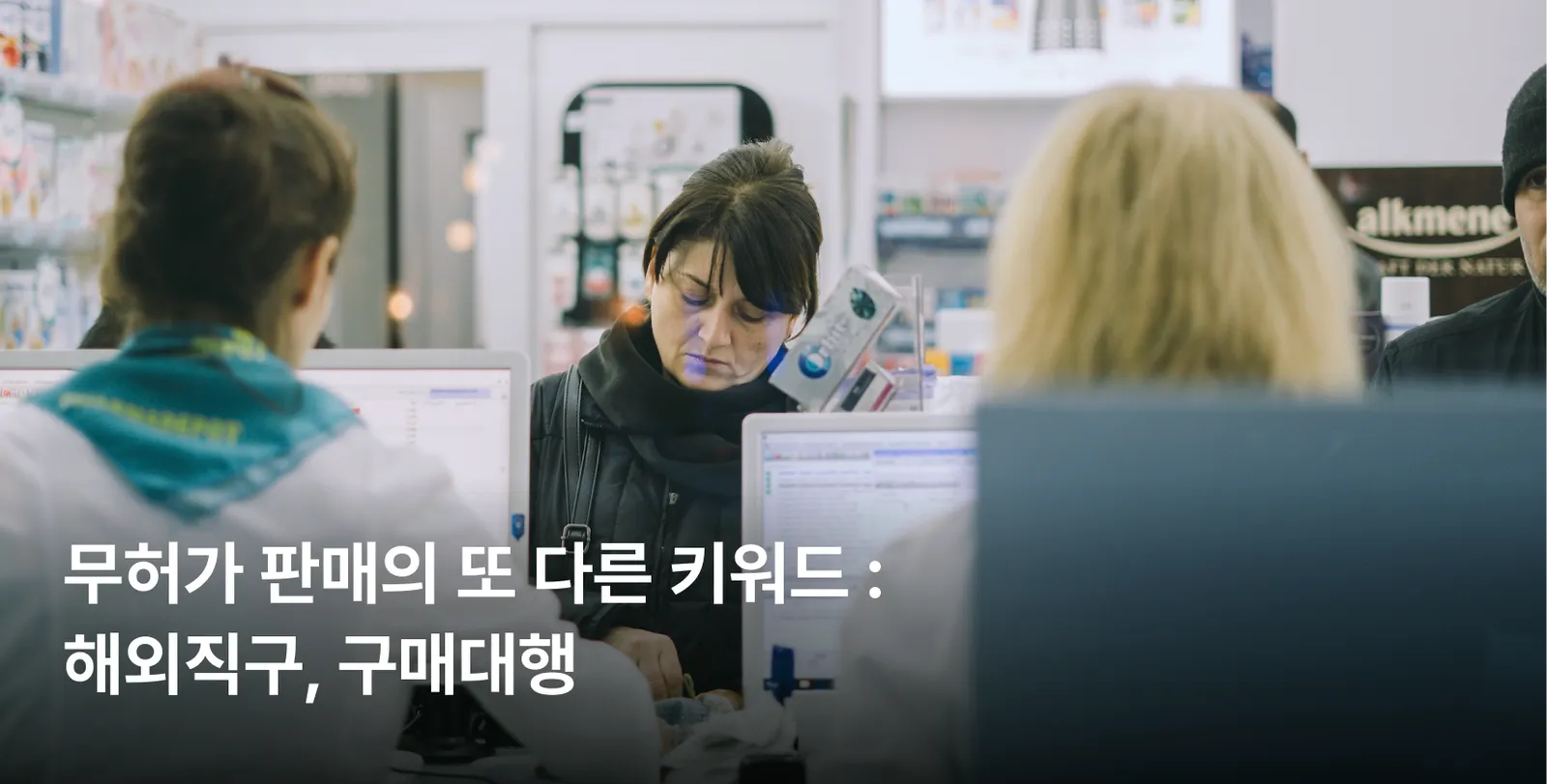
As more people buy food and medicines through cross-border direct purchase and proxy buying services, consumer harm is rising too. According to the Korea Pharmaceutical Information Service at the Health Insurance Review and Assessment Service, more than 18,000 cases of illegal drug distribution were caught over the past three years. (Source: News The Voice) It shows that prescription drugs that should only be available at pharmacies are being distributed illegally. Here’s how bad actors move drugs into the gray market.
1. Unlicensed sales online and offline: e-commerce platforms
As overseas online platforms began doing business in Korea in earnest, the Ministry of Food and Drug Safety (MFDS) monitored products sold on Qoo10, AliExpress, Temu, Shein and others. It found 230 drugs, 160 medical devices and 132 quasi-drugs being sold through the gray market.
Prescription drugs are also being sold without a license offline. According to reporting by the Korea Economic Daily, US-made melatonin is sold at some 20 shops in the Dokkaebi import arcade in Namdaemun Market. In the US, melatonin is easy to buy even at convenience stores, but in Korea it requires a prescription. Some sellers exploit that gap to sell overseas medicines cheaply in Korea.
2. Unauthorized drug sales on social media
To block gray-market drug sales online, the MFDS detects and acts on sales posts on major portals such as Naver, Daum and Google. In a crackdown in September 2023, it caught unlicensed sales in 107 cases on general shopping sites, 102 on online communities and blogs, and 51 on social media. Some illegal sellers operate as organized groups on social media. One group, active since 2017, distributed 208 prescription and over-the-counter drug products, 250,000 units worth KRW 1.6 billion, illegally through the gray market over six years. Groups like this supply drugs only to buyers they’ve already vetted, and activity that threatens brands and consumers this way has to be identified and stopped quickly.
3. Unlicensed online sales through fake pharmacy sites
There are also cases of drugs being manufactured and sold illegally. Fake sites selling erectile dysfunction drugs are a typical example. From January 2022 to this year, sellers opened an unlicensed drug sales site called “○○ Pharmacy” and promoted and sold both genuine and fake erectile dysfunction drugs. Worse, one of the illegal sellers registered as a “trader,” obtained genuine erectile dysfunction drugs from a pharmaceutical company and distributed them in Korea, expanding the sales channel. Illegal drugs like these can pose a serious threat to consumers’ health, so shoppers need to be careful.
4. A threat to Korean brands: unlicensed sales abroad

As REJURAN products, popular in Korea, have turned up on the gray market abroad, the Korean manufacturer has responded firmly. Many cases were found of products distributed in Korea being illegally exported, and the activity was confirmed through authentication systems such as QR codes and NFC. Unauthorized people were selling REJURAN products meant for the Korean market overseas without permission. Since products are supplied only to official accounts both in Korea and abroad, this is a crime that breaks down legitimate distribution. The brand continuously monitors illegal activity to keep treatment environments safe and healthy.
How to protect consumers and brands
Unlicensed sales are common not only for prescription drugs but also for quasi-drugs and over-the-counter medicines closely tied to daily life, such as toothpaste, mouthwash, sanitary pads and tampons. Proxy buying, which happens often online and offline, is illegal. Even when an ad claims a product is identical to one approved for import in Korea, it’s likely to be counterfeit or defective, and consumers can’t get legal protection if something goes wrong.
To minimize harm to consumers from medicines, the MFDS continuously inspects illegal online sales and brokering of drugs in violation of the Pharmaceutical Affairs Act, working to establish a sound drug distribution order. It’s also pushing for an act on cyber safety management of food and drugs. The aim is to legislate in one go to address platform operators’ liability and the problems arising from foreign shopping intermediaries such as AliExpress and Temu. Alongside the legislation, it uses an artificial intelligence (AI) system to quickly identify the slang used to evade drug trafficking enforcement, analyzing and monitoring the words in cases it uncovers. Pharmaceutical companies, not just the MFDS, need to monitor online channels continuously, especially open marketplaces and social media, to identify and stop unlicensed sales channels and protect consumers and their own brands.
Korean veterinary medicines hit by a surge in unlicensed cross-border sales

As online channels multiply, more consumers are buying veterinary medicines directly from overseas, not just medicines for people. The main reason is price. For example, sellers of veterinary medicines, including heartworm preventives, are easy to find on overseas marketplaces.
In Korea, however, it’s illegal for anyone other than a pharmacist to sell heartworm preventives, the antiparasitic drugs that protect pets from heartworm. Sites selling veterinary medicines for cross-border purchase openly appear on major portals, and products that cost more than KRW 60,000 in Korea can be bought 25% cheaper from overseas, which is causing problems. These gray-market sites are hard to block, because new mirror sites spring up quickly whenever one is blocked.
Heartworm preventives and many other prescription and over-the-counter medicines for pets are being sold online without authorization. To stop consumers from buying products of unknown origin and to protect pets from harm and misuse, swift action such as blocking sites and requesting investigations is needed. To that end, pharmaceutical companies should monitor and crack down on unlicensed sales of veterinary medicines on open marketplaces and social media by searching keywords on each platform. Strategic, efficient distribution channel management is essential, for pets’ health and for protecting pharmaceutical brands. But monitoring every channel and enforcing against sales with limited staff is bound to be inefficient. Adopt MarqVision’s AI solution to manage online sales channels in more than 100 countries quickly and efficiently, and gain visibility into and control over online distribution channels you couldn’t see before.
Check your brand’s IP infringement for free. Or, if customers who love your brand have been reporting counterfeits, join the No More Fake campaign to stamp out fakes. MarqVision runs a customer reporting program that makes it easy for brands and consumers to communicate about counterfeits. Through the No More Fake campaign, strengthen trust with your customers and send bad actors a clear warning: fakes will be reported and stamped out.