Counterfeit K-pop merch and unlicensed sales: the highs and lows for fans
As K-pop grows more popular abroad, counterfeits and gray-market sales are surging. See how illegal K-pop merchandise activity works and how to protect IP and fans.
 Irene Lee4 min read
On this page3
At the Bercy Arena in Paris, where the women’s gymnastics qualifiers of the Paris 2024 Olympics were held, Korean boy group Stray Kids’ “S-Class,” “MANIAC” and “LALALALA” played one after another. As Korean culture spreads around the world, hearing K-pop at the Olympics is no longer unusual, and K-pop often plays during off-camera training sessions too.
Last year, K-pop’s overseas revenue topped 1 trillion won for the first time. According to the Korea Culture and Tourism Institute (KCTI) analysis “Trends in K-pop overseas revenue, seen through data,” K-pop’s overseas revenue in 2023 was 1.2377 trillion won, up 34.3% from the previous year. The figure combines album exports, overseas streaming services and overseas concert revenue. By segment, overseas concerts accounted for the largest share at 47.5%, followed by album exports (31.4%) and streaming services (21.0%). (Source: Digital Times)
As K-pop grows more popular abroad, more people are exploiting it. More and more counterfeits are being made and sold using artists’ photos and idol groups’ logos and characters without permission. In this post, we look at how counterfeit K-pop merchandise is made and distributed illegally.
Idol merch made without permission: counterfeit sales and real cases
Many idol groups, including NewJeans, IVE and TWICE, are active both in Korea and abroad, raising K-pop’s profile. Illegal activity is surging, particularly because K-pop’s core audience is teens and people in their twenties, and because sellers target tourists visiting Korea.
As controversy over counterfeit sales on Chinese e-commerce platforms continued, Incheon Customs ran an eight-week special crackdown starting in April this year. On AliExpress in particular, searching for K-pop idols such as NewJeans and IVE still brings up merch ad banners alongside counterfeits.
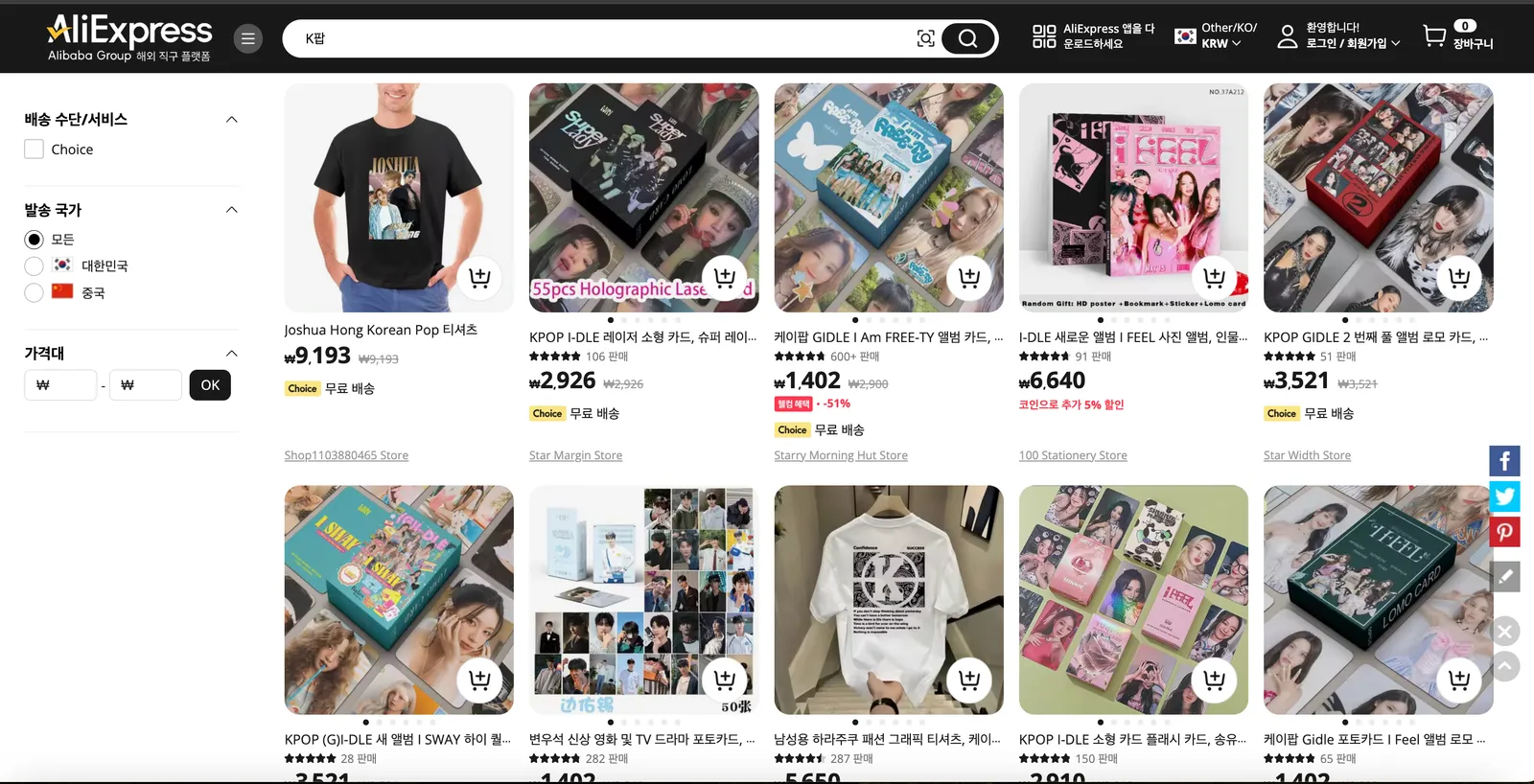 Counterfeit and unlicensed K-pop merch on Chinese e-commerce platforms
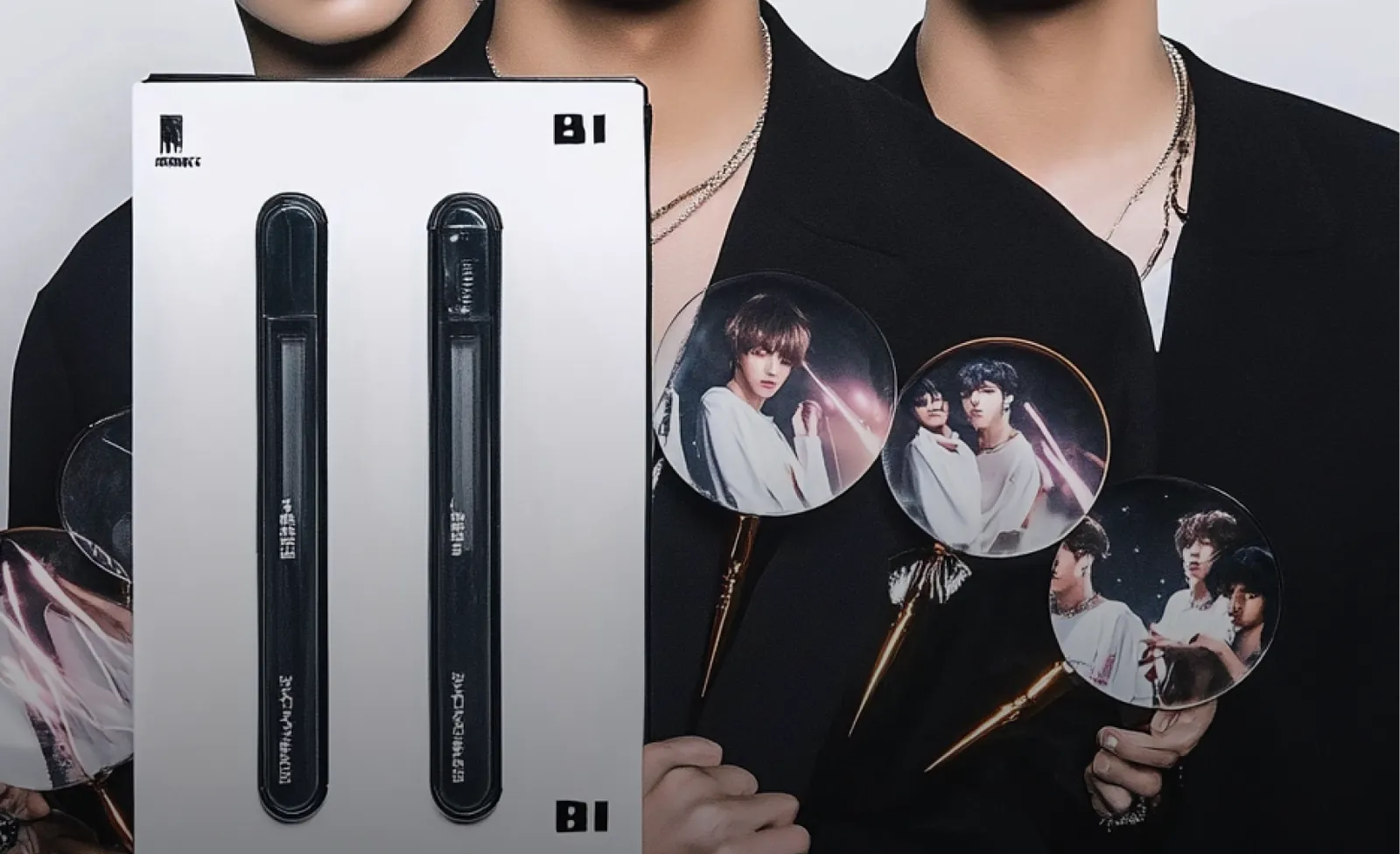
Many of the items Incheon Customs seized were merch made with photos of K-pop idols, and most were counterfeits with Chinese labels. Of the counterfeit K-pop merch seized, 23% was accessories such as keychains, 22.7% stationery and toys, 8.7% tumblers and tableware, and 6.2% perfumes and diffusers. (Source: Yonhap News) Photo cards, pendants, key rings, T-shirts and other merch are imported from China and sold at rock-bottom prices on online marketplaces, or through social media and physical stores. None of these counterfeits were licensed by the artists’ agencies for portrait rights or copyright.
The problem isn’t limited to online. In Myeongdong, which draws crowds of international tourists and students, counterfeit K-pop merch is sold openly. Photo cards, keychains, posters and other merch featuring idols such as BTS and NewJeans are sold in stores, and counterfeits of famous characters are frequently seized too.
Counterfeit K-pop merch and fake character goods are often stationery, bedding and other items that children and teens buy easily, and many haven’t gone through KC certification or safety checks. That raises health and safety concerns, since children and students, the main buyers, may be exposed to harmful substances. Counterfeit purchases can also damage the credibility and brand value of artists and their entertainment companies.
Protecting healthy fan culture and brands: spotting fakes and unlicensed sales
In its 2023 annual report, US music analytics service Luminate described K-pop merch as “big business.” According to the report, Gen Z K-pop fans in the US spend an average of $24 a month on artist merchandise, about $8 more than J-pop fans and 2.4 times more than fans of other artists in the US. (Source: The Korea Economic Daily)
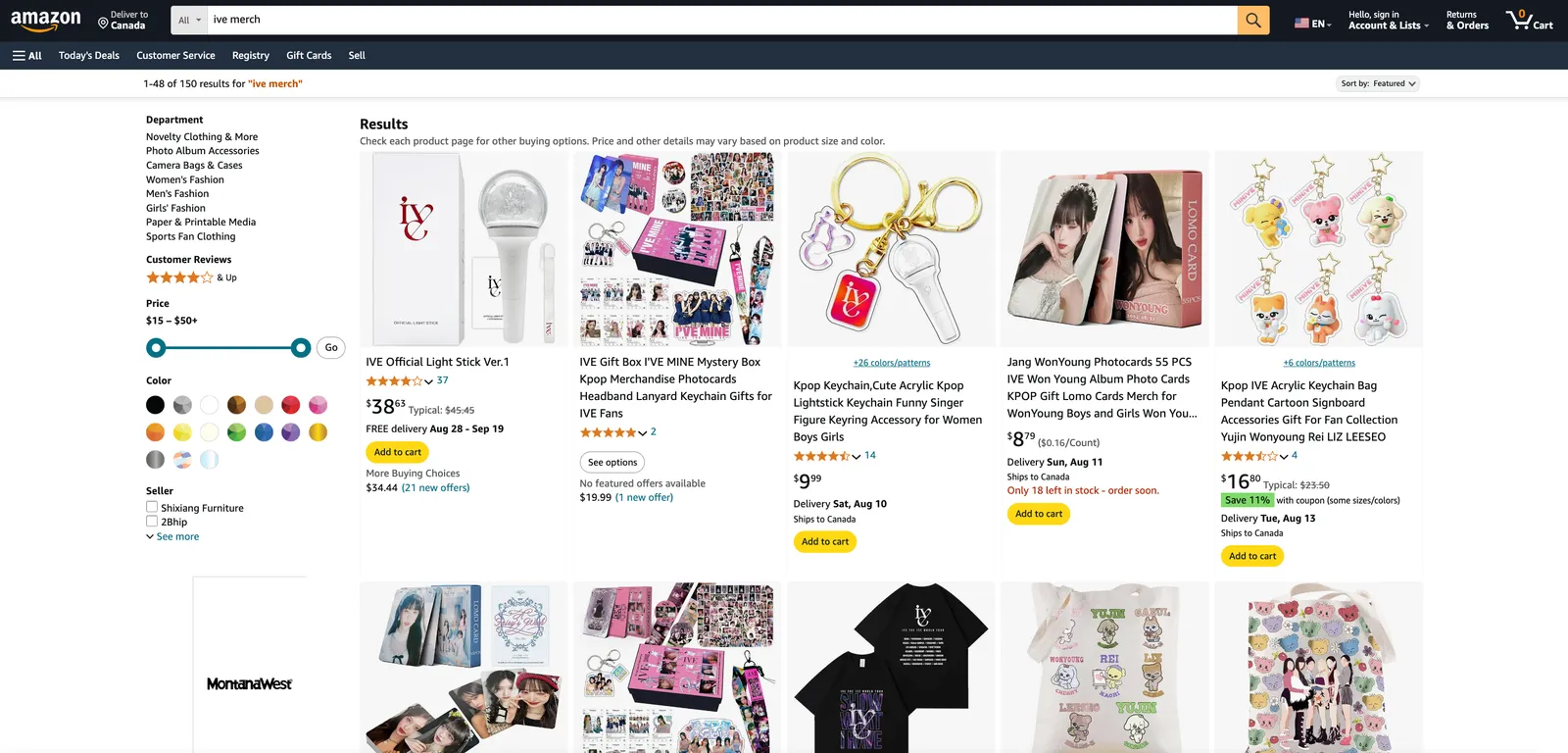 Example of K-pop merch sold through online e-commerce
K-pop fans in particular tend to buy merch even if they can’t see their idols perform live, and they said they want more merch options. Like fans in Korea, US K-pop fans form a highly engaged fan base that wants to strengthen its connection with artists. According to global statistics platform Statista, 27% of Americans said in 2023 that they wanted to buy K-pop and K-drama merchandise, showing the Korean Wave is still going strong.
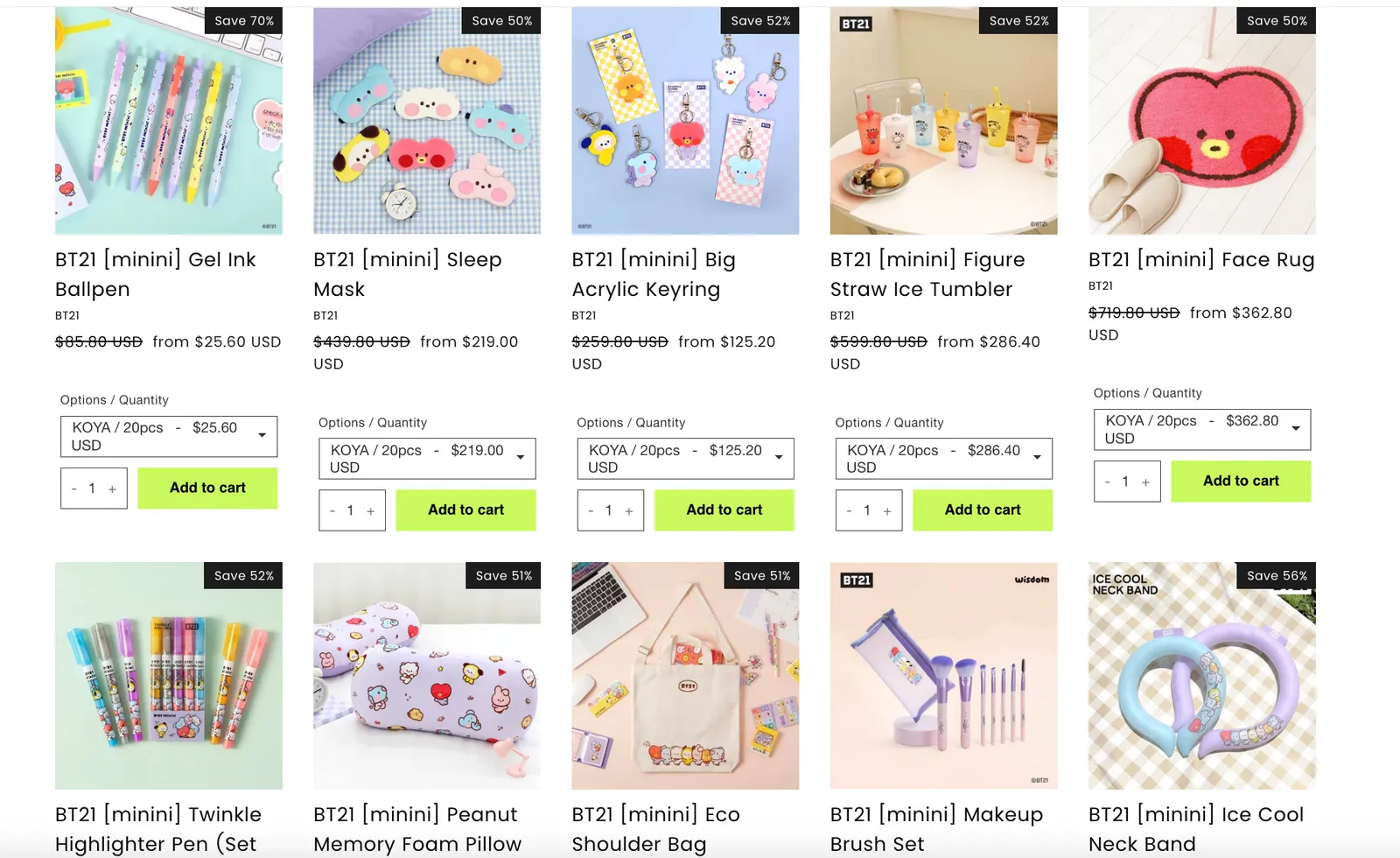 Example of a Korean merch and snack subscription service in the US
This demand extends beyond idol merch to collaborations with other brands, giving rise to many kinds of business platforms. Subscription services that deliver idol and Korean culture items on a regular schedule, much like a Netflix subscription, are one example. They’re very popular because they cost less than buying each product separately and let fans try a wide range of products.
However, making and distributing derivative works using official photos from an artist’s entertainment company infringes the artist’s portrait rights and copyright. Selling them for profit is prohibited. In addition, some counterfeits, such as dolls, key rings and tumblers resembling artists, can pose a direct threat to consumers’ health when made from materials of unknown origin. That’s why it’s important to check whether a sales channel is officially run in partnership with the brand. Brands and entertainment companies need ongoing monitoring to protect their original products and the values they stand for, and to protect consumers.
Ending counterfeits and unlicensed sales: protecting artists’ copyright and brands
Korean entertainment companies are aware that counterfeit K-pop goods infringing their IP are sold on Chinese e-commerce platforms and other online marketplaces. But with so many new counterfeits and unlicensed sellers appearing every day, monitoring isn’t easy. For K-pop fans around the world, Korean entertainment companies run official stores that ship internationally. Weverse and SM Store are leading examples, and companies that can’t run their own stores partner with other online sales platforms to operate global merch channels. Buying through official stores is how fans can avoid counterfeit merch.
Fans may be confused into buying counterfeits, thinking they’re limited-edition merch sold only in certain countries and not in Korea. When it’s hard for fans to tell whether merch is genuine, the best approach is to report it directly to the artist’s entertainment company, confirm whether it’s counterfeit, and not buy it. It can be a bit of a hassle, but it’s an essential step to protect the IP of artists and their official products.
MarqVision runs a customer reporting program to stamp out counterfeits. As part of the No More Fake campaign, consumers who love a brand can alert the brand right away when they find a fake. Each brand gets its own reporting page, reports need no login, and monitoring can follow quickly. Protect your brand’s creative ideas and values today.
Sign up for the customer reporting program to fight counterfeits.