Why margins collapse even as revenue grows: a survey of 400 K-brands
Price erosion and gray-market risk, from a survey of 400 K-brands, and how to measure lost revenue and put a dollar value on your response.
 Jinie Park4 min read
On this page7
- The faster you grow, the faster brand risk spreads
- Three risks shared by 400 brands
- Four recurring challenges in running a brand
- Five questions: why prices fell, and how much revenue was protected
- Three principles from the webinar
- Running a brand starts with connected data
- FAQ: running a brand and managing risk
K-brands are growing worldwide faster than ever. According to the Korea Creative Content Agency, every $100 million increase in Korean Wave industry exports lifts exports in related industries such as cosmetics, food and tourism by $202 million. (Korea Creative Content Agency, The economic effect of Korean Wave industry exports)
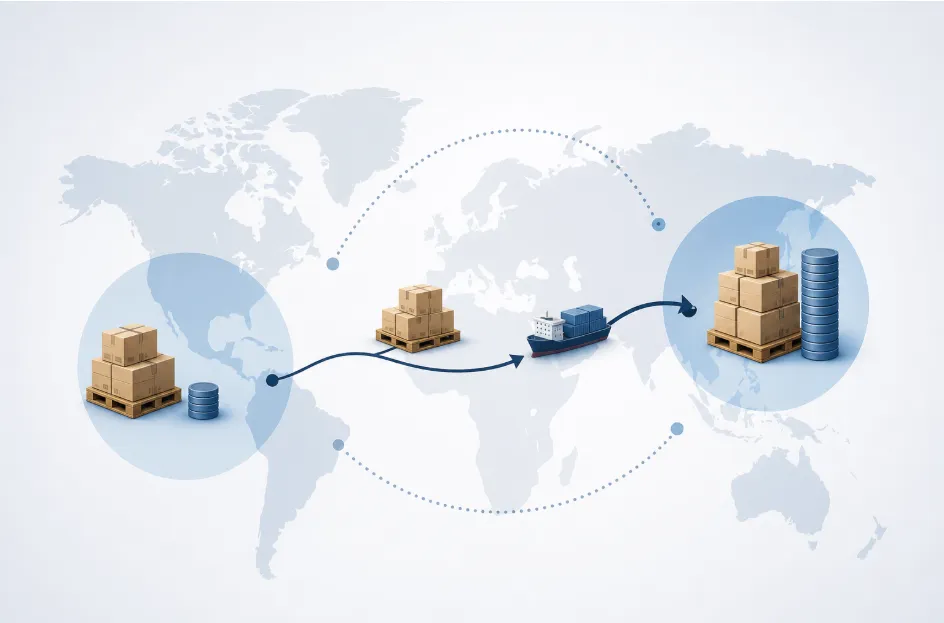
At the same time, global trade in counterfeits that infringe Korean companies’ IP was estimated at $9.7 billion in 2021, about 11 trillion won at the exchange rate at the time. (OECD, Illicit Trade and the Korean Economy)
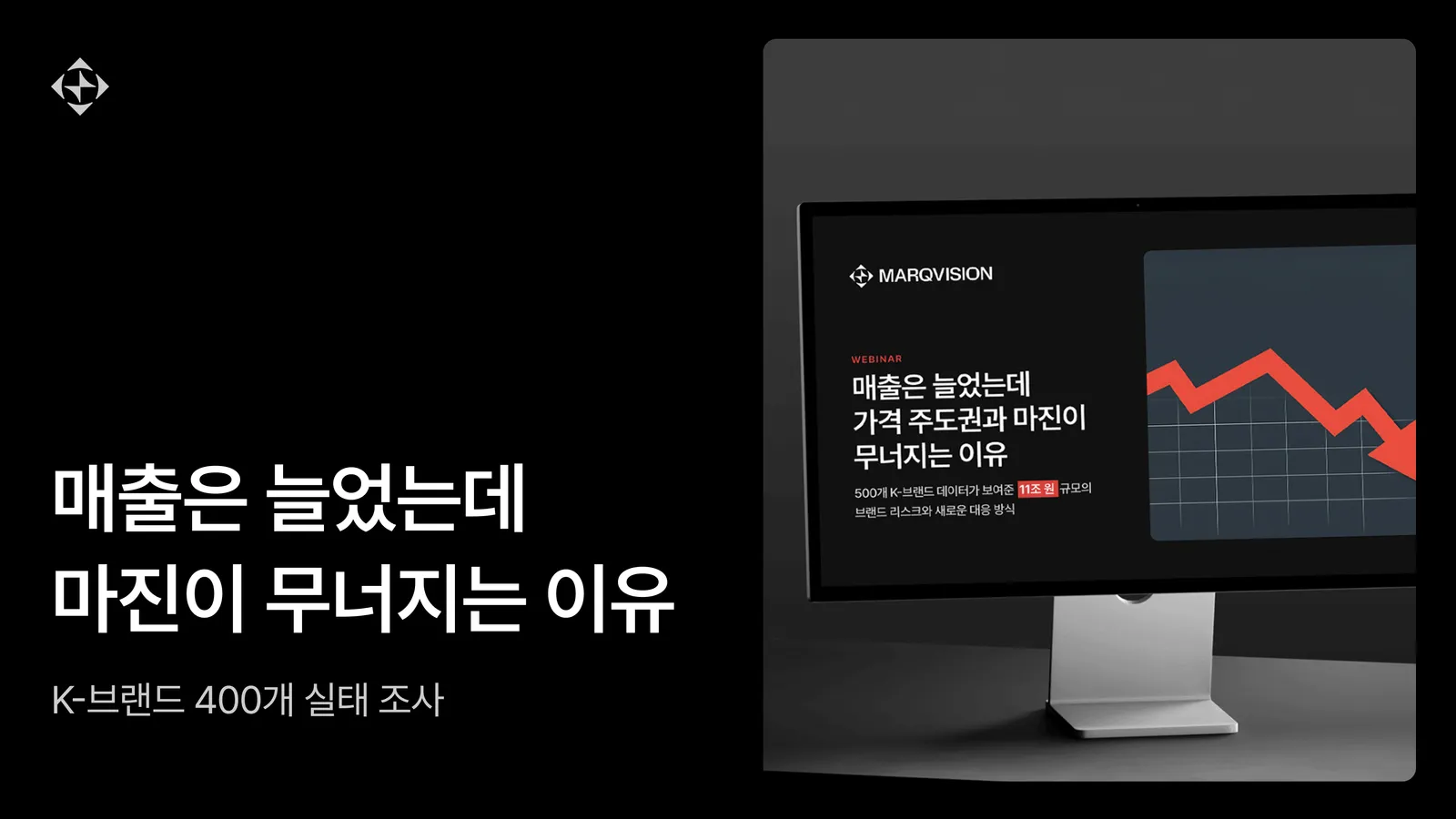
On August 5, MarqVision used survey data from 400 K-brands and a live demo of the Brand Intelligence Agent to look at the risks growing brands face, and a new way to run a brand.
Watch the full 60-minute webinar →
The faster you grow, the faster brand risk spreads
Unauthorized sellers and counterfeiters move as fast as content makes a brand known.
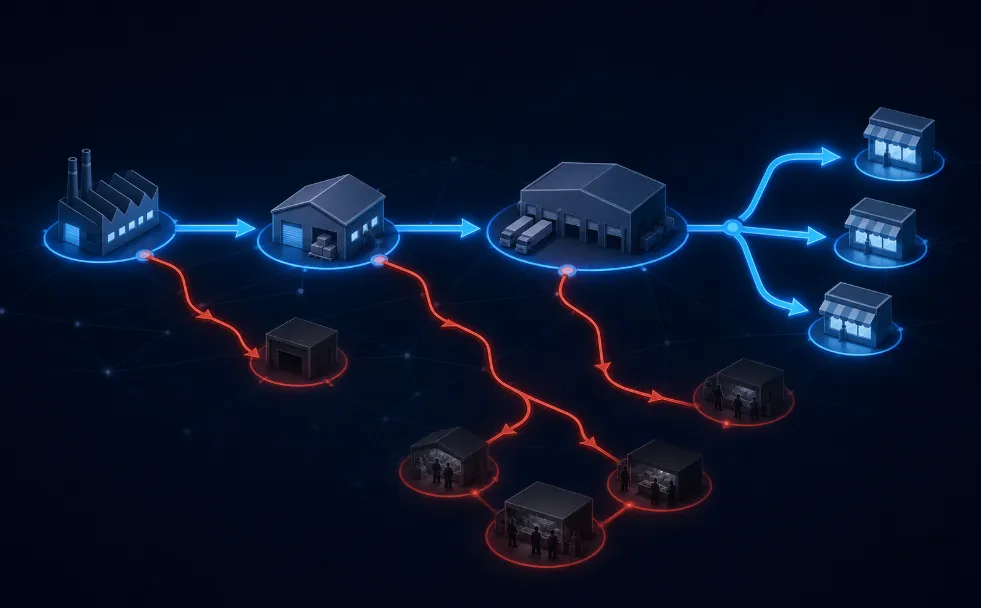
One K-beauty brand featured in the webinar saw unauthorized sellers dump stock in bulk just a month after it officially entered Southeast Asia. Prices settled 30% below the official price, pricing with local distribution partners fell apart, and the brand pulled out of the market a year after entering.
The gray market threatening K-beauty in global markets does more than push prices down for a while. It affects brand trust and market entry strategy.
Three risks shared by 400 brands
Across industries and company sizes, the survey of 400 brands found three common gaps.
First, losses aren’t tracked as one number.
57.7% of executive respondents said losses from counterfeits and unauthorized distribution were hard to measure, and 70.7% didn’t measure them regularly.
Second, decisions can’t keep up with how fast threats spread.
41.8% of companies said 5% or more of the customers they win through ads leak away to unauthorized sales channels. While several teams gather data and write reports, customers and revenue keep slipping away.
To move quickly on price erosion and unauthorized sales, start by connecting the picture by channel, product and seller with a gray-market solution.
Third, AI is automating how threats are created and spread.
70% of companies had experienced AI-driven online threats. The most common wasn’t deepfakes. It was sellers making small changes to prices and images to evade detection.
That’s why brand protection built on AI is needed. When threats are automated, detection and response have to change too.
Brand insight If losses aren’t measured, brand protection only ever shows up as a cost. To make brand risk a leadership priority, start by putting numbers on its impact on revenue and operating profit.
Four recurring challenges in running a brand
In the second session, we used raw data from the 400 brands to sum up four operational challenges that keep coming up.
1. Pricing blind spots Teams don’t see in time where market prices are collapsing. Before trying to control prices, you need visibility: an accurate view of the market.
2. Trend analysis stalls External data such as prices, sellers and reviews stops at collection, while internal data such as promotions, supply prices and inventory sits in separate teams.
3. A speed gap Threats are created and spread automatically, but discovery, review and enforcement are still handled by people, one case at a time.
4. A proof gap Enforcement records exist, but it’s hard to say how much revenue the response protected and how much loss it prevented.
These aren’t four separate problems. They’re one operating process, from spotting market changes to analyzing causes, responding and proving results, broken in several places.
To fix it, connect external price, seller and review data with internal promotion, supply and inventory data, and carry the analysis through to response and measurement. How the Brand Intelligence Agent finds the signals brands miss shows how that connection changes the way a brand runs.
The live demo that followed showed how this connected structure works day to day.
It’s also why respondents ranked a “revenue impact dashboard” as the top expected benefit of brand intelligence. How the Brand Intelligence Agent finds the signals brands miss likewise starts by connecting scattered data to explain what a response achieved.
Five questions: why prices fell, and how much revenue was protected
In the second half of the session, we ran a live demo of the Brand Intelligence Agent with a fictional brand, “Lunacare.”
PM Charles Shin asked the Brand Intelligence Agent five questions. The agent connected external price and seller data with internal promotion and supply data and came back with:
- The cause of the price drop
- Unauthorized sellers selling again and again across several channels
- Response priorities that take enforcement history into account
- 184 million won in revenue protected by the response over the past six months
- An analysis report for leadership
Brand insight How many unauthorized sellers you found and acted on measures activity. How much revenue that response protected measures the business result of brand protection. (Note: the brand and analysis in the demo are a fictional scenario, separate from the 400-brand survey data.)
Watch the Brand Intelligence Agent live demo →
Three principles from the webinar
1. Brand protection has to be a leadership priority
Enforcement counts alone can’t justify investment. Tie results to revenue and profit, and they lead to leadership decisions.
2. The problem isn’t awareness. It’s a lack of data to decide with
Most brands know price erosion and unauthorized distribution matter. What’s missing is connected data that explains causes and revenue impact.
3. Better AI starts with connected data
When external channel data and internal operating data are connected, a question gets an answer you can act on right away. When data is scattered, the same question becomes a task that takes several teams days to pull together.
Running a brand starts with connected data
Spotting brand risk isn’t enough. Connect external price, seller and review data with internal promotion, supply and inventory data to find causes and set priorities.
Then convert the results into revenue and profit, so they drive the next decisions and investments.
What set brands apart in the data from 400 K-brands wasn’t more tools. It was data connected well enough to answer questions immediately.
Watch the full 60-minute webinar →
Request a 30-minute assessment with your brand’s data →
FAQ: running a brand and managing risk
Q. How do you measure losses from counterfeits and the gray market?
Connect prices, unauthorized listings, sellers and enforcement data by channel on one basis. Add price drops, customer leakage and estimated sales volume, and you can calculate the impact on revenue and profitability.
Q. Where should a gray-market response start?
Start with the products and channels with the steepest price erosion, and the sellers who keep showing up across channels. Connect external price data with internal promotion and supply terms, and you can tell a normal discount from possible stock leakage.
Q. What do AI-driven brand threats look like?
Altered prices and images, counterfeit listings posted in bulk, impersonator chatbots and cloned websites. In the 400-brand survey, altering prices and images to evade detection was the most common.
Q. How should we explain brand risk response to leadership?
Change what you report from “how many did we act on” to “how much revenue and profit did we protect.” Put results in monetary terms and brand protection reads as a business result, not a cost.