Amazon Prime Day 2025 recap and a strategy for 2026
Prime Day brings a surge in counterfeits, gray-market sellers and brand impersonation. The threats brands face, and how to respond.
 Irene Lee4 min read
On this page4
Prime Day 2025 runs for four days, the longest ever, and is expected to bring brands more traffic, visibility and sales than ever before.
Amazon Prime Day began as a 24-hour flash sale. It’s now a huge shopping event that draws hundreds of millions of people worldwide, and 2025 is set to be the biggest yet in both scale and length. According to Adobe, consumer spending during last year’s Prime Day was double the previous Black Friday ($10.8 billion), and US retailers’ online sales rose by $24.1 billion.
But bigger opportunity means bigger risk. While brands compete on promotions, bad actors get more sophisticated. Counterfeits, gray-market (unauthorized) sales, brand impersonation and phishing scams all surge, and fakes can end up in shoppers’ carts before the brand notices.
The result can be lost revenue, a damaged reputation and legal risk. Read on to see why bad actors and impersonators thrive during Prime Day, and how to get ahead of them.
How impersonators target Amazon Prime Day
Prime Day draws shoppers and impersonators alike. Limited-time discounts and the pressure to “buy now” push shoppers to purchase, and that rush is a perfect opening for impersonators.
With so much traffic, platforms struggle to check listings in real time, and shoppers in a hurry often skip checking whether a product is genuine. Impersonators move into exactly that gap.
In 2023 alone, US consumers lost about $10 billion to impersonation, and online shopping fraud was the second most reported type. According to Forbes, Prime Day-related impersonation reports rose 80% year over year, and cases of brand and customer-service impersonation more than doubled.
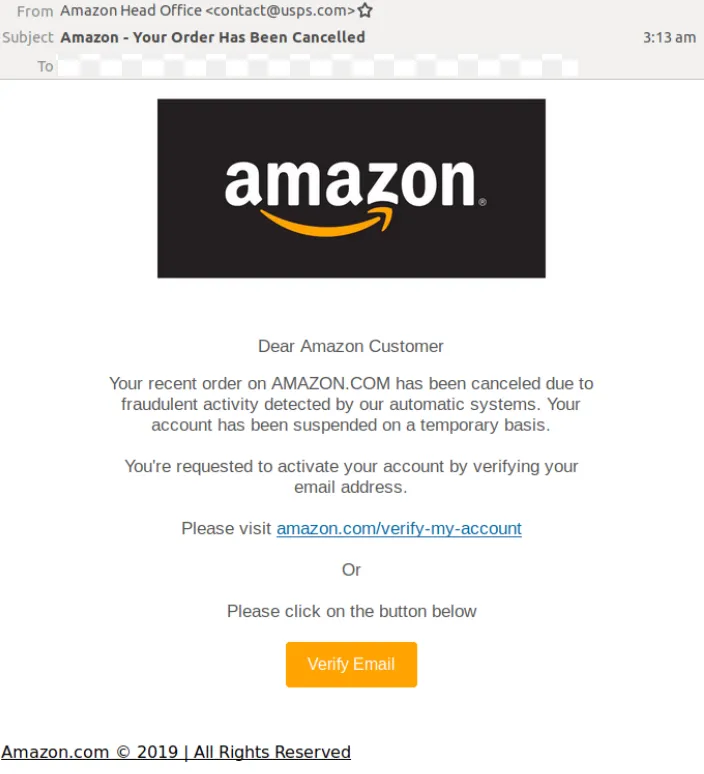
The most dangerous part is that this activity starts well before Prime Day itself. Scammers take advantage of shoppers’ anticipation to lure them with counterfeits priced far below the real thing, or with fake stores that copy the brand’s look. Cases of scammers posing as Amazon customer service to push malicious links or steal personal data are also on the rise.
What Prime Day really costs brands
-
Direct revenue loss: Counterfeits and unauthorized sellers undercut the genuine product, or resell genuine products without permission, taking visibility and sales away from the official store. The brand loses revenue and its direct connection with customers.
-
Lost consumer trust and a damaged reputation: Negative reviews, more returns and low ratings caused by counterfeits directly hurt search ranking and Buy Box eligibility. As trust erodes among shoppers, the brand’s reputation falls with it.
-
Eroded brand equity and legal risk: Repeated unauthorized distribution and below-price selling undermine the brand’s pricing policy and the trust of its distribution network, and over time damage brand value as a whole. In health, beauty and electronics in particular, counterfeit sales can escalate into legal problems.
-
A broken pricing policy: Low prices from unauthorized sellers teach shoppers that “the real thing is overpriced,” and they naturally drift toward cheap look-alikes or counterfeits. The brand’s premium and pricing policy weaken, and customers leave.
In the end, the sales opportunity of Prime Day comes with a risk that can wipe out, in a moment, the trust and loyalty a brand has spent years building.
Brand protection steps you can take now

To turn Prime Day into a real opportunity, preparation and ongoing management are key. Use the strategies below and start now.
- Step up internal monitoring
Check your product listings, ASINs (Amazon Standard Identification Numbers), and the prices and Buy Box status of your key SKUs carefully.
If a price suddenly drops or an unfamiliar seller holds the Buy Box, it may be an unauthorized seller, so look closer. If a product’s sales jump sharply, a test purchase is a good way to confirm that what’s being sold is genuine.
- Make full use of Amazon’s IP protection tools
Amazon runs several intellectual property (IP) protection programs to help keep brands safe. The best known is Amazon Brand Registry (ABR).
Enrolling your brand unlocks useful tools such as Project Zero, which removes counterfeits quickly, and Transparency, which proves authenticity with labels or codes on genuine products. But these tools don’t solve every problem automatically. Remember that they only work when someone on the brand side monitors and manages them consistently.
- Run consumer education campaigns
Help shoppers tell genuine products from fakes by explaining in detail how to check them, such as anti-counterfeit stickers, serial numbers and certification marks found only on the real thing.
It’s also important to direct shoppers to buy only from your official store or authorized sellers. Keep sharing messages like “If the price looks too good to be true, think twice” on your official channels to raise awareness.
- Analyze the data after Prime Day
After Prime Day ends, go through all your performance data carefully: sales, return reasons, customer reviews and inquiries.
This shows whether counterfeits were sold, or whether unauthorized sellers bought in bulk or left other traces of activity. This post-event analysis is essential for building a more effective response next time.
- Report violations as soon as you find them
If you find IP infringement such as counterfeits or brand impersonation, you can report it directly to Amazon at reportascam@amazon.com. You can also raise the issue formally through the process in Amazon Brand Registry.
Depending on the case, legal action through your legal team can also be an effective form of enforcement.
Brand trust matters more than the size of the discount
Prime Day is a chance for explosive growth and, at the same time, the moment a brand is most exposed to threats. E-commerce keeps changing faster, and bad actors keep getting more sophisticated. Brand protection is no longer an after-the-fact response. It’s a core part of business strategy.
The brands that truly win on Prime Day aren’t the ones with the deepest discounts. They’re the ones that make the value of the genuine product clear, hold their pricing policy, and keep customers safe from counterfeits.
If you want to protect your brand’s trust and your customers during the big November shopping season, request a MarqVision demo now. We’ll suggest a practical strategy for your brand.