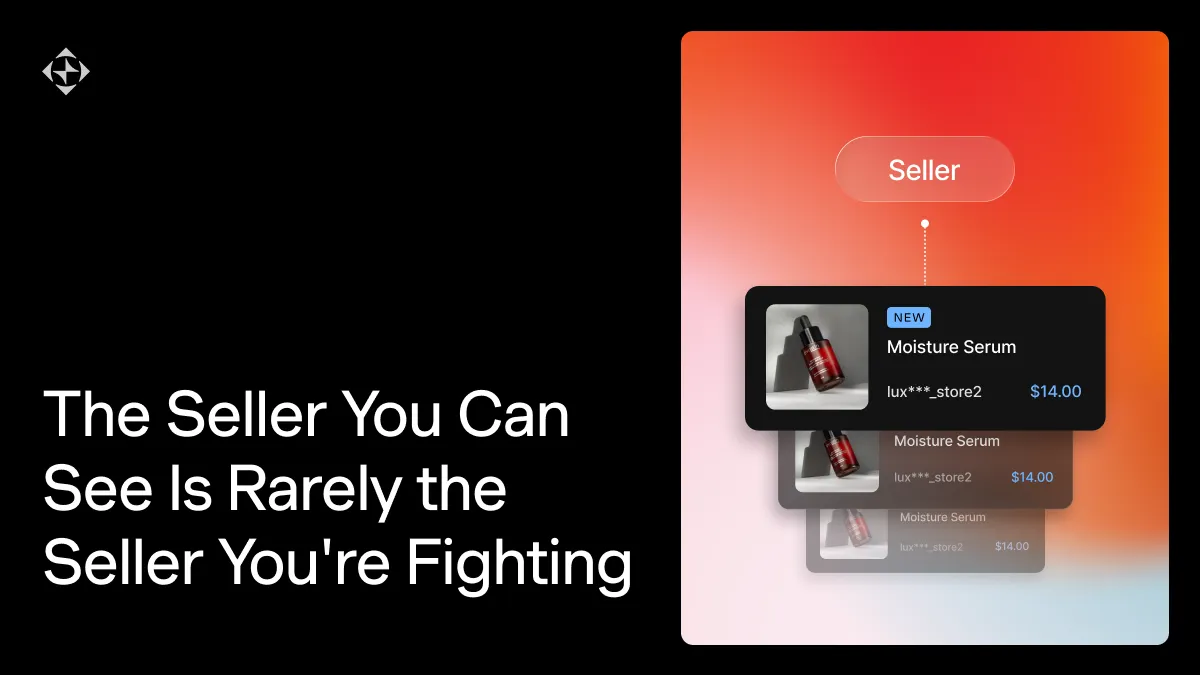
Brand outlook for the second half of 2025: from consumer trends to IP threats
What online opportunities and threats should brands watch in H2 2025? Insights on consumer trends and how to respond to counterfeits and gray-market sellers.
 Irene Lee4 min read
On this page4
Highlights from our “2025 Private Brand Strategy Insights” event
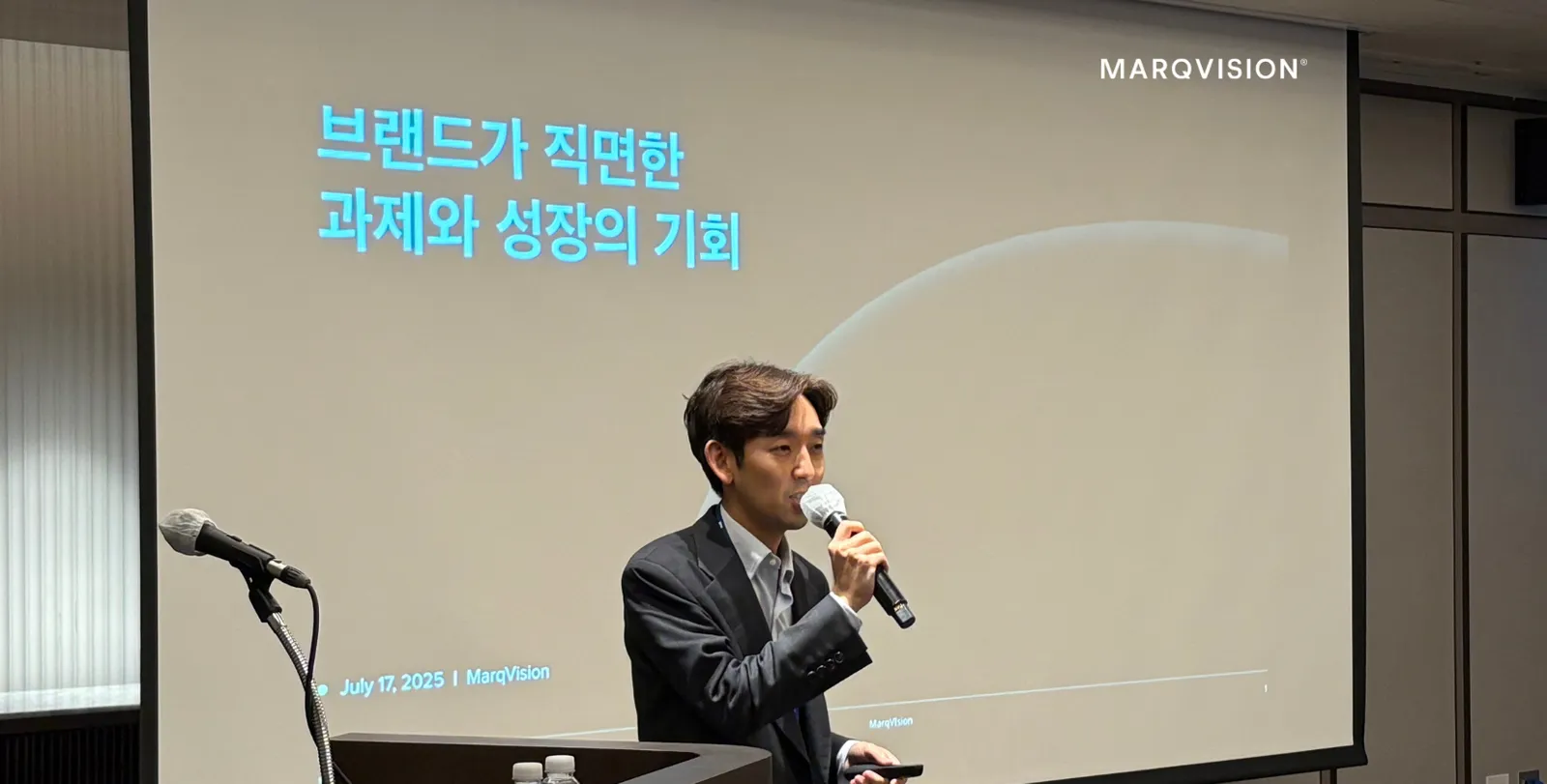
To keep growing online, brands need more than short-term marketing wins. They need long-term brand IP protection and a more mature operating strategy. At “2025 Private Brand Strategy Insights,” MarqVision shared, across three sessions, the opportunities and challenges brands face in the second half of the year and how to respond.
1. The outlook for H2 2025 and the business opportunity for brands
In the first session, Sohee Kim, CEO of Trend Lab, shared in-depth insights on how consumer trends are shifting and how brands can respond.
Consumer trends no longer move in one direction. Value-driven spending that prizes “bang for the buck” now coexists with self-expressive spending that seeks to “flex.” That means brands need layered, precise marketing rather than a single target strategy.
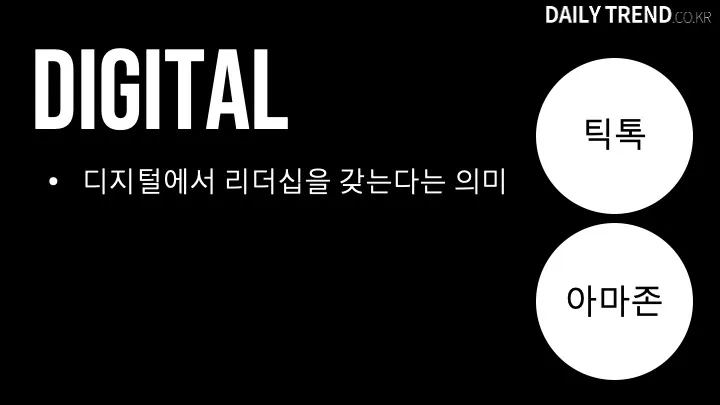
As sales channels such as TikTok, Instagram and Amazon gain influence, tying content-led marketing closely to commerce strategy matters more and more.
In this environment, K-beauty brands stood out as examples of global expansion done right, through fast market response, content tailored to each platform, and a glocalization strategy. The success factors aren’t limited to beauty. They hold lessons for brands in other industries too.
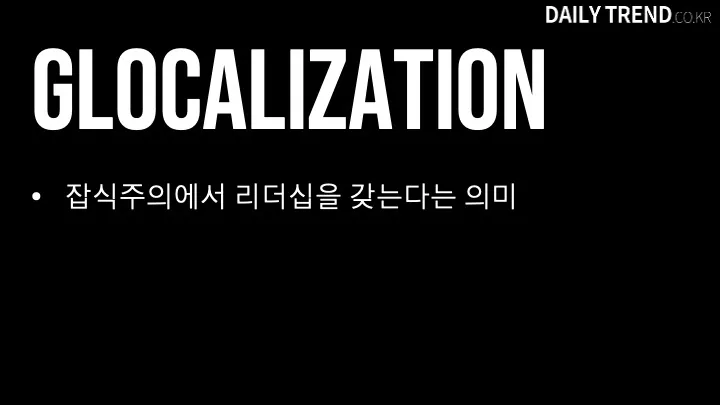
Quick aside: what is glocalization?
Glocalization combines “global” and “local.” It describes a localization strategy in which a global brand adapts to the characteristics and culture of consumers in each region. The point is to go global while adapting to each local market.
Companies preparing to expand abroad should go beyond simply listing on overseas marketplaces. Their operating strategy needs to reflect local consumer types, distribution structures and how people consume content. That also requires internal teams and systems that can execute market-specific strategies flexibly.
2. The challenges brands face, and the room to grow
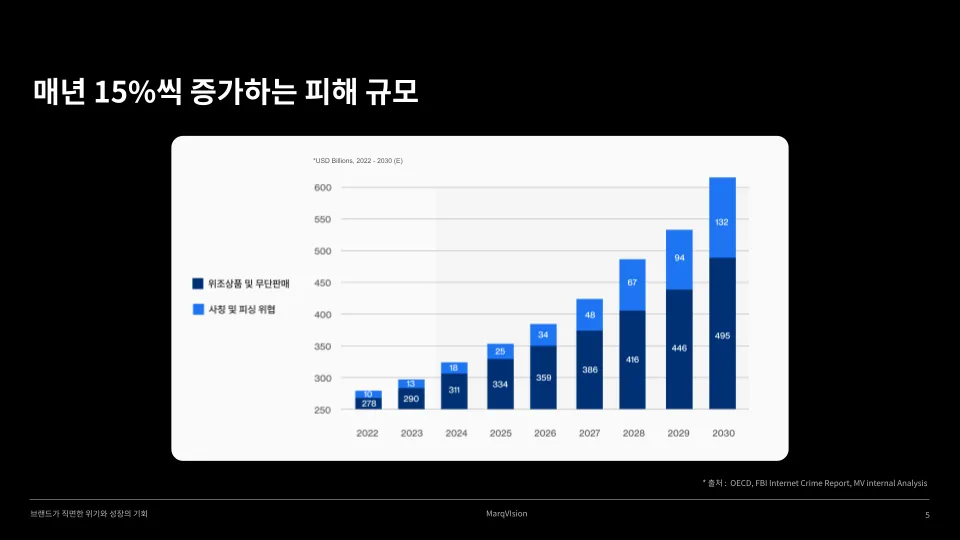
Today’s IP threats go well beyond counterfeits. They now combine gray-market (unauthorized) sales and brand impersonation too. According to OECD and FBI reports, losses from IP issues are growing by more than 15% a year, hurting not only revenue but also consumer trust and brand reputation.
IP threat 1. Counterfeits
Counterfeiting once focused on luxury and fashion brands. It has now spread across everyday consumer goods, from salt and supplements to instant noodles, and fakes have become hard to tell apart from the real thing. Because these threats spread quickly across many marketplaces, removing individual listings isn’t enough. What matters is a strategic response that identifies bad-actor networks and cuts off their distribution routes.
IP threat 2. Gray-market (unauthorized) sales
As online markets have grown rapidly, so has the number of unauthorized sellers, and gray-market problems have deepened. These sellers buy genuine products and resell them, which triggers race-to-the-bottom pricing, consumer complaints about products sold without customer service or after-sales support, and damage to brand trust. Real-time price monitoring, data-driven seller analysis and automated enforcement have become the core of the response.
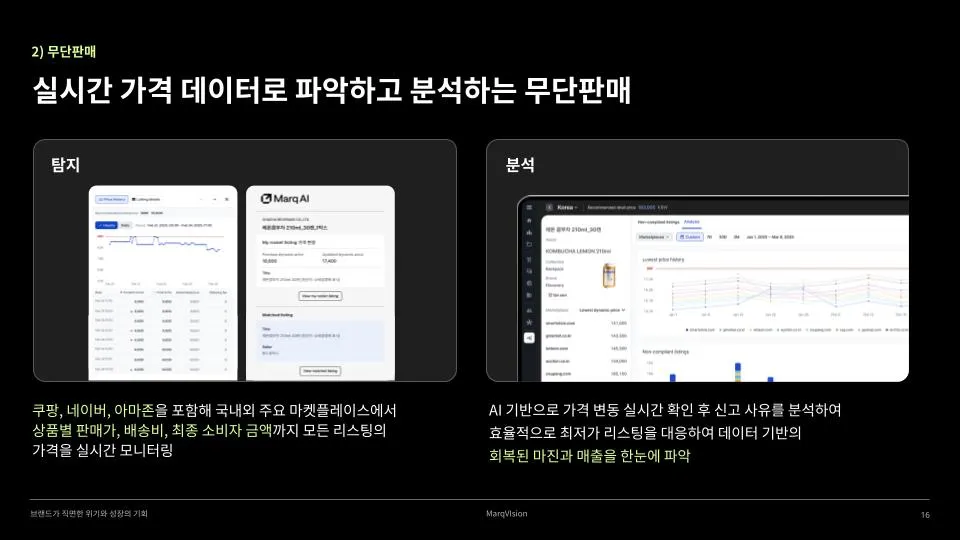
MarqVision automatically collects and analyzes key data such as price, shipping fees and the final amount the shopper pays, and produces clear evidence and grounds for enforcement for each type of violation. Seller detection, monitoring and enforcement are managed in one platform, which makes operations more efficient and saves resources.
Brand IP protection is no longer just a legal team issue. It’s a core business strategy for protecting products, revenue and consumer trust, and it calls for a systematic response process.
3. Online growth strategy, from a brand that lives it
In the final session, a brand that has used MarqVision to expand successfully online shared its operating strategy, with concrete examples of how it identified and handled the problems it faced on major marketplaces.
The speaker walked through the real decisions and execution behind setting priorities and building a response system for the different conditions, rules and threats on each marketplace. They also spoke candidly about how their day-to-day processes and response capabilities changed after adopting MarqVision, and how systems and data helped with brand protection and operational efficiency.
The session closed with an in-depth discussion of plans and strategic direction for responding to the changing online market in H2 2025, giving attendees practical insights they could apply right away.
Brand protection is no longer optional
In a fast-changing online market, launching and selling a product is no longer enough to stay competitive. Fully protecting a brand’s value, trust and the originality of its products is where winning customers and long-term growth begin.
Brand IP protection now goes beyond any one department. It needs company-wide collaboration and a systematic response system. A strategy that detects IP threats spreading online in real time and responds effectively has become central to competitiveness.
“2025 Private Brand Strategy Insights” confirmed once again that sustainable growth is only possible for companies that protect their brand properly. To stay a step ahead in a fast-changing online market, keep refining and evolving your IP protection strategy.
With MarqVision, you can identify increasingly complex IP threats quickly and respond efficiently with a strategy tailored to your brand. Request a free demo and get a clear picture of the revenue loss and IP issues your brand faces.