How e-commerce platforms and brands are fighting IP infringement
Amazon, AliExpress, Gmarket and others have new policies and teams to fight IP infringement. How Diesel, Lululemon and The RealReal protect brands and shoppers.
 Irene Lee4 min read
On this page2
As online shopping grows, 2024 has brought many changes at home and abroad. In particular, as Chinese e-commerce platforms (“C-commerce”) moved into Korea in force, counterfeits of Korean brands sold on them became a controversy. On Korean e-commerce platforms too, bad actors selling fakes are causing brand IP infringement problems, and many brands have posted counterfeit warnings on social media and their websites. More and more people say that IP infringement, from copied designs to misused trademarks, is a serious problem on Korean e-commerce platforms as well as C-commerce.
Abroad, the success of Korean content is driving popularity on social media, especially Reels and TikTok, and sales of products featured in those videos are rising too. But popular Korean products are often hard to buy overseas, and counterfeiters exploit that, leading to more fakes and illegally distributed products, the classic forms of IP infringement. This year, the OECD quantified the economic damage counterfeits cause Korean companies, finding that counterfeits cost the Korean economy about KRW 7 trillion. Protecting brand IP to preserve the value of genuine products and protect consumers matters more than ever.
In this post, we look at the policies Korean and global e-commerce platforms have introduced to protect brands and consumers, and what companies are doing to protect their customers and brands.
New policies and dedicated teams on e-commerce platforms at home and abroad
Global e-commerce platforms
1. Amazon: the Counterfeit Crimes Unit
Amazon, which went global first and quickly stabilized its service, faced brand IP infringement such as design copying and trademark violations in many countries. To tackle this, Amazon set up its Counterfeit Crimes Unit and tightened seller identity verification and vetting. It also introduced forged document detection and video verification to monitor and act against IP infringement by bad actors and counterfeits, protecting brands and rebuilding consumer trust.
In 2023 alone, Amazon identified and seized more than 7 million counterfeits, protecting brands and preventing consumer harm. Through cross-border anti-counterfeiting cooperation, it took aggressive action against IP infringement, including more than 50 raids on counterfeit production and sales sites, leading to the detention of more than 100 sellers. Amazon launched its Counterfeit Crimes Unit in 2020 and invests more than $1 billion a year in brand protection.
2. AliExpress: zero tolerance for fakes on K-Venue
AliExpress, once at the center of brand IP infringement concerns, applies a zero-tolerance policy on counterfeits to products sold on K-Venue, its dedicated Korean product channel. It uses artificial intelligence (AI) algorithms to analyze text, text within images and images themselves to identify and act on counterfeits that infringe brand IP. It also verifies authenticity based on sellers’ business licenses and brand information. When consumers or brands report a fake, it investigates separately and then issues refunds and blocks the product.
Korean e-commerce platforms
3. Gmarket
Korean e-commerce companies, not just overseas platforms, are stepping up enforcement against IP infringement, including counterfeit monitoring. Gmarket uses a counterfeit filtering system to monitor more than 900,000 products a day. It weighs a range of factors, from search terms to prices, to block counterfeits before they circulate and protect brands. It also plans to phase in deep learning and optical character recognition (OCR) to verify genuine products against a product database, to protect brand IP and consumers.
Gmarket’s counterfeit center has operated since 2017. When a consumer reports a suspected fake within a year of purchase, Gmarket collects it free of charge and has the brand authenticate it. If the brand confirms it’s fake, the consumer gets a 100% refund. Gmarket also authenticates luxury goods sold on the platform through cross-border direct purchase free of charge.
Elsewhere, SSG.com uses in-house AI and vision deep learning solutions and OCR to efficiently check listings for legal violations and false information, and manages products systematically with its in-house SIREN automated quality control system. 11st runs pre-listing filtering and post-listing monitoring to reduce sales of fakes and products that could harm consumers’ health. It continuously focuses monitoring on brands that see heavy counterfeit sales, and has expanded the scope of its brand IP monitoring with detailed conditions through its fraud detection system (FDS). Lotte ON runs a 24-hour counterfeit alert system and stricter seller onboarding standards. The system aims to find fakes before customers report them, minimizing harm to customers and brands on the platform. It flags sellers whose cancellation rates suddenly spike or who give careless answers to customers’ authenticity questions, and alerts staff. When a product is likely fake, it blocks sales and withholds the seller’s payout.
Neither global nor Korean e-commerce platforms are free of fakes, and counterfeiting goes beyond illegal sales to directly affect brand trust and the customer experience. IP protection strategies that protect brands across online sales channels are becoming ever more important.
How brands protect both consumers and products: campaigns and raids on counterfeit factories
Just as Korean and global e-commerce platforms have introduced new systems to protect consumers and brands, how are brands protecting their products and customers? Here are real cases of IP infringement and how brands responded.
Diesel
Diesel, popular for its Y2K fashion pieces, continuously monitors impersonator websites and counterfeit sales and production around the world to protect its creative work and intellectual property (IP) and keep consumers from buying fakes. Recently, Diesel worked with police to seize 43,905 counterfeit Diesel bags from a warehouse in Wuqia, Xinjiang, China. Beyond raids, since the 2021 F/W season every Diesel product has carried a unique QR code and 12-digit code so consumers can verify authenticity, protecting the brand.
Diesel’s large-scale crackdown on counterfeits protects not only the value of its products, its customers and its brand but also workers affected by counterfeit production. Many counterfeit manufacturers exploit child and forced labor and ignore safety measures and minimum wages, so enforcement can curb crimes such as labor exploitation. Because most counterfeits are produced outside the reach of regulation and can endanger consumers’ health, Diesel takes an even more active role in brand protection and acts against IP infringement.
Lululemon
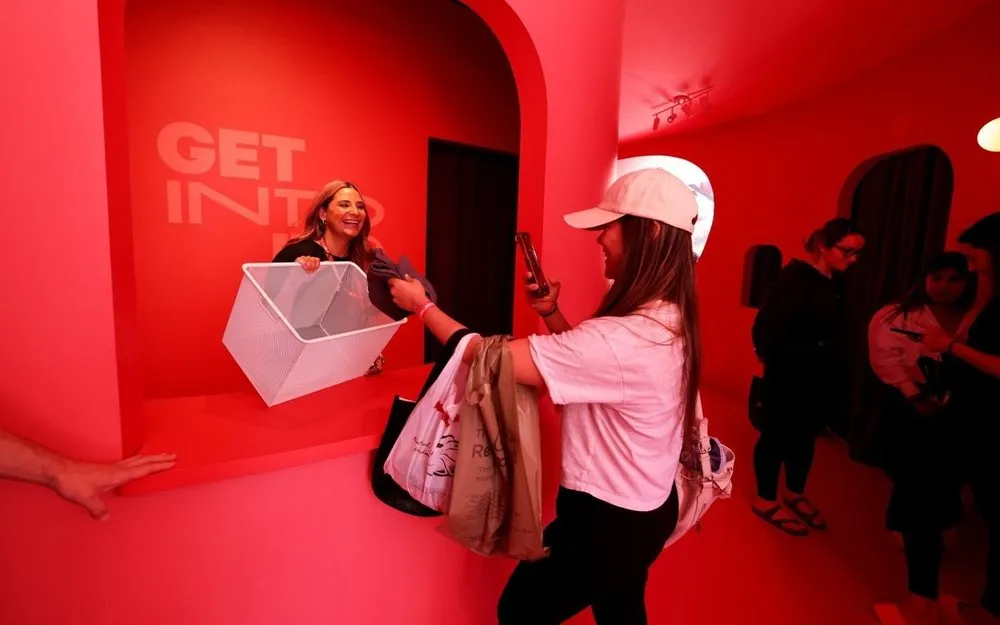 Lululemon’s Dupe Swap campaign (image source: https://www.contagious.com)
In recent years, buying and showing off dupes has become routine among Gen Z, a style and a trend in itself. Rather than fight the trend, Lululemon used it to run a distinctive brand protection campaign called “Dupe Swap.” Shoppers who brought in leggings copying Lululemon’s products could swap them for the brand’s originals.
Not sure what Gen Z’s dupe and rep buying is? Learn more in our earlier blog post.
The Dupe Swap campaign let Lululemon put the value and distinctiveness it had built over years back in the spotlight, while winning over future customers. Rooted in brand IP protection, the campaign showed an understanding of Gen Z shoppers and let them experience the difference between genuine and fake firsthand, raising trust in and affection for the brand.
The RealReal
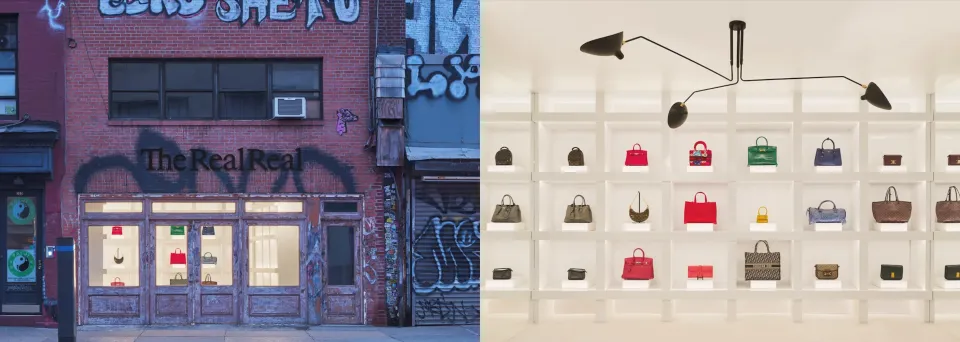 The RealReal’s counterfeit exhibit (image source: https://www.retailtouchpoints.com)
The RealReal is an online fashion resale platform working to promote circularity for luxury and other products. Through collaborations with fashion brands, it extends the life of secondhand products that have already been made and bought, so the water, raw materials and other resources used to make them aren’t wasted, minimizing environmental impact. To raise awareness of brand protection and counterfeits, it displays fakes at its store on Canal Street in New York. Open through September this year, the store lets visitors learn about counterfeits via an outdoor QR code and enter a monthly draw for a chance to swap their own counterfeit for a genuine item.
Through this store, The RealReal highlights how counterfeits harm society, from environmental damage to illicit funding, and teaches consumers why brand protection and genuine products matter. Many fakes are made in unsafe working conditions using unethical practices such as forced or child labor, and fake products that infringe brand IP diminish the care and time designers put into the originals.
Counterfeits threaten brand value and consumers, and also harm society in many ways, from environmental damage to illicit funding. E-commerce platforms and brands need to approach changing counterfeit production and distribution strategically and find ways to block them and protect brands. With MarqVision’s advanced AI, used by brands across industries, from beauty brand MUZIGAE MANSION to fashion brands F&F and Courrèges, you can monitor and act on brand IP infringement across more than 1,500 online e-commerce sites and marketplaces. Check now for IP infringement your brand and the platforms you sell on may have missed.