
C-commerce surge hurts consumers and brands, spurring public and private action against fakes and unsafe products
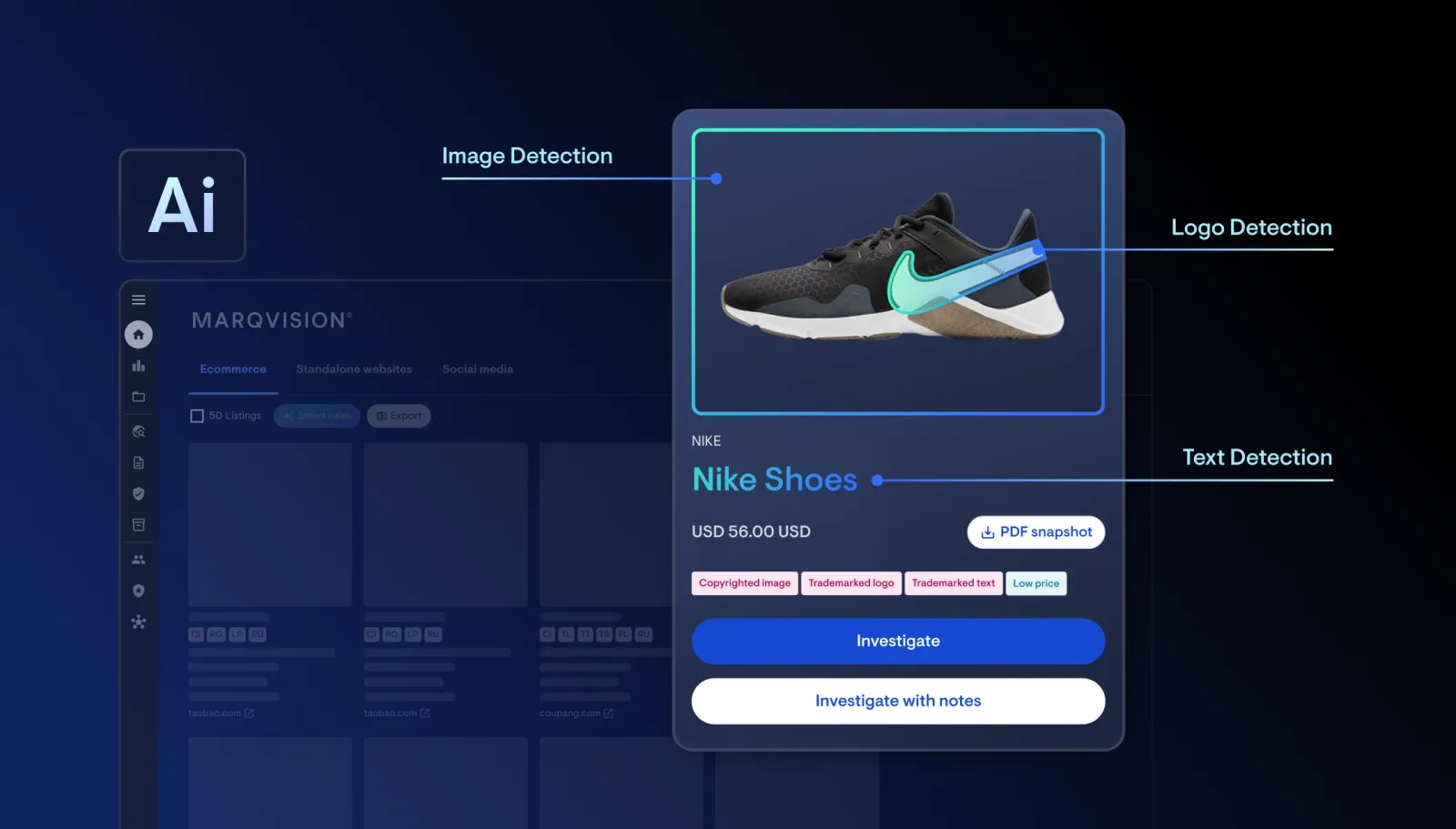
- C-commerce platforms such as AliExpress and Temu are growing fast, and so are brand IP infringement and consumer harm from fakes and unsafe products
- Brands step up monitoring with AI solutions; MarqVision took action against tens of millions of counterfeits on C-commerce platforms over the past year
- Amorepacific and LG H&H crack down on counterfeit factories and warehouses in China, and Korean e-commerce platforms have run their own monitoring
- Korea Fair Trade Commission signs voluntary product safety agreements with AliExpress and Temu to build a system that blocks the distribution and sale of unsafe products
As C-commerce (China + e-commerce) platforms such as AliExpress and Temu win Korean users with ultra-low prices and grow their market share, consumer harm and brand IP infringement from fakes and unsafe products are also surging.
According to WiseApp·Retail·Goods, an app and retail analytics service, AliExpress and Temu had about 8,589,000 and 8,238,000 Korean users last month, respectively, trailing only Coupang, which ranked first with about 30,908,000.
Consumer complaints have grown along with this rapid growth. According to the Citizens’ Alliance for Consumer Protection of Korea, it received 465 complaints about AliExpress last year, about five times the year before. As fake sales drive up IP infringement on top of consumer harm, attention is turning to companies that are responding aggressively with their own technology and resources or with SaaS solutions.
Matin Kim, Discovery and others protect consumers and IP with MarqVision, an automated counterfeit detection and enforcement platform
Some leading Korean and international brands are using AI to protect their IP and shield consumers from counterfeits. Brands popular in Korea and abroad, including Matin Kim, MSCHF, ADER ERROR, Discovery Expedition and MLB, use AI company MarqVision’s AI-powered platform for automated counterfeit detection and enforcement.
Founded in 2020, MarqVision runs an all-in-one platform that finds counterfeits sold online, as well as signs of unauthorized sales by unauthorized sellers without official permission to sell, and can take enforcement action against them.
Beyond individual counterfeits, MarqVision’s Seller Intel Lab system can uncover networks of malicious sellers who specialize in selling counterfeits. It visualizes linked groups of sellers as a graph and shows each seller’s transaction risk and the links between counterfeit distribution rings, making it easier to put more proactive and effective responses in place.
MarqVision uses AI to monitor 1,500 marketplaces in 180 countries, including C-commerce platforms such as AliExpress and Temu. Over the past year, the counterfeits on C-commerce platforms that MarqVision successfully took action against numbered in the tens of millions. AliExpress ranked first, accounting for about 90%, followed by Tmall, Taobao and DHgate.
“Many counterfeits of our products were being sold on Chinese e-commerce platforms, and we monitored them ourselves, but it took a great deal of time and staff,” said one fashion company that uses MarqVision to detect and take action against counterfeits online in real time. “Since adopting MarqVision, which uses AI to automatically detect counterfeits, take enforcement action and even identify malicious sellers, we have seen tangible results not only in protecting our brand value but also in our business performance.”
MarqVision recently began a full-scale expansion of its China office to build a one-stop IP protection system. The expansion aims to make real-time online detection of counterfeits originating in China more efficient and to cut off counterfeits circulating in China at the source by strengthening offline enforcement, including on-site raids and investigations.
Gmarket, 11st and other leading Korean e-commerce platforms respond with authentication and monitoring systems
Korea’s leading e-commerce platforms use their own systems to protect users from counterfeits. Gmarket has run a dedicated anti-counterfeiting center since 2017 and operates a counterfeit filtering service powered by big data. It identifies patterns among brands and sellers with a high likelihood of fakes and monitors hundreds of thousands of products or more every day.
11st takes reports on suspected fakes through its IP Protection Center and Safe Trading Center. It also has a dedicated counterfeit detection team that has carried out ongoing monitoring in collaboration with trademark owners and government agencies such as the Korean Intellectual Property Office (KIPO), and through its “mystery shopper” program, 11st buys suspected fakes itself and has them authenticated.
Amorepacific, LG H&H and others have cracked down on counterfeit factories and warehouses in China for years to stamp out distribution
Some companies began strengthening offline monitoring and cracking down on fakes years ago to counter the harm counterfeit distribution does to consumers and brands.
Amorepacific’s Sulwhasoo and LG H&H’s royal court cosmetics brand The Whoo became hugely popular in China, leading to serious problems with counterfeit production and distribution. Early on, both companies tracked down counterfeit factories and warehouses in China themselves to pursue criminal enforcement, or set up dedicated teams to take legal action, to stamp out counterfeit distribution.
They have also taken part in counterfeit identification briefings run by the Korea Trade-Investment Promotion Agency (KOTRA), sharing the status of their IP rights and what is needed to spot fakes, to block the brand damage caused by counterfeit distribution.
Korea Fair Trade Commission works with AliExpress and Temu to build a system that blocks the distribution and sale of unsafe products
The government, not just companies, is also stepping in to address problems arising from C-commerce. The Korea Fair Trade Commission (KFTC) recently signed a voluntary product safety agreement with AliExpress and Temu. Under the agreement, AliExpress and Temu will run their own monitoring based on information about unsafe products provided by the government and others, and will block the distribution and sale of unsafe products based on the results of external monitoring by the government and others.
To ensure the terms of the voluntary agreement are faithfully carried out, the government and others will gather ample information, including overseas recall information and unsafe products identified through safety testing, through Consumer24, the comprehensive consumer support system run by the KFTC, and provide it to AliExpress and Temu as platform operators. The platform operators plan to share the hazard information they receive with their sellers and consumers.
The KFTC said it will work closely with relevant ministries and consumer groups after signing the agreement to make sure the process for blocking the distribution and sale of unsafe products works well. It also said that if future government safety tests of products sold on AliExpress and Temu find large amounts of substances harmful to humans or otherwise show a high likelihood of risk to consumer safety, it will take proactive steps, such as issuing consumer safety advisories, to prevent harm to consumers in advance.