A TikTok ban? How brands can protect revenue and IP amid uncertain US policy
What a US TikTok ban could mean for brands: protecting your content and IP on Instagram, YouTube and Xiaohongshu, and keeping your global business growing.
 Irene Lee4 min read
On this page4
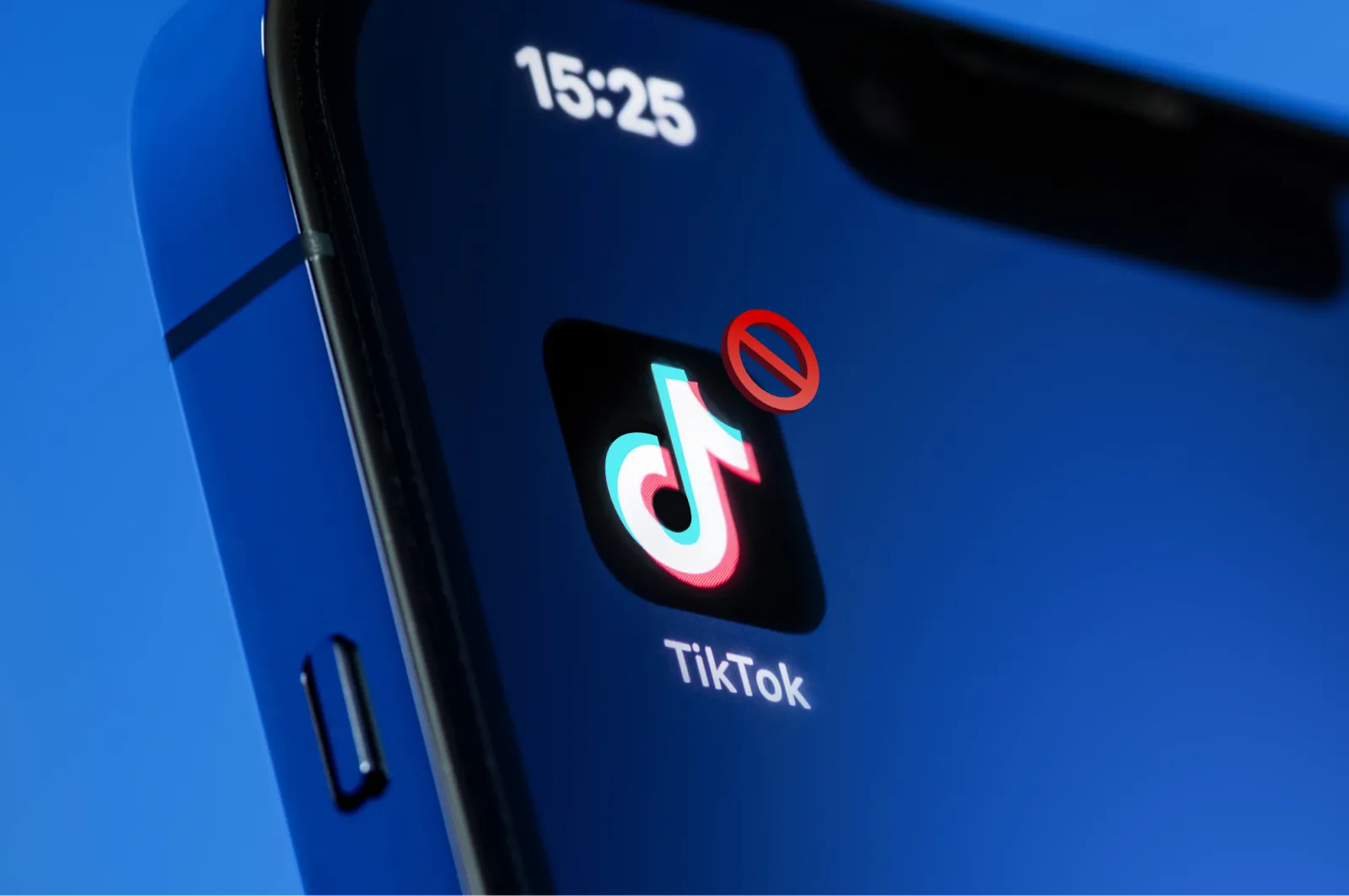
In April 2024, the US Congress passed a law to ban TikTok, on the grounds that China could use the app to collect sensitive information on Americans or unduly influence public opinion.
At its core, the law said TikTok could no longer be used in the US from January 19, 2025, unless ByteDance, TikTok’s Chinese parent company, sold TikTok’s US business to an American company. It also included a provision allowing the deadline to be extended by 90 days if there was “significant progress” toward a sale of the US business. (Source: Hankyoreh)
TikTok sued, calling the law unfair, but the court dismissed the case, finding the national security concerns justified. The Supreme Court then also denied TikTok’s request for an injunction. TikTok shut down its US service on the night of January 18, but restored it about 13 hours later after President Trump said he would delay enforcement. (Source: Chosun Ilbo)
Sudden policy changes like the TikTok ban can have a big impact on companies and brands. They’re an even bigger challenge for companies that have used TikTok to connect with customers and grow revenue, such as K-beauty brands. If TikTok disappears, brands are likely to face two threats:
-
First, bad actors may sell counterfeits on alternative platforms.
-
Second, more accounts may impersonate the brand using its logo, photos and other assets, confusing consumers and even leading to further harm such as stolen personal information.
These problems damage brand trust and can directly hit the business. So what strategies do brands need to protect themselves and keep growing in the US? Here are practical ways to respond.
1. TikTok alternatives: rebuilding brand protection on Instagram, YouTube and Xiaohongshu
If TikTok is banned in the US, brands will need to keep engaging consumers through alternative platforms such as Instagram, YouTube and Xiaohongshu. But simply moving channels isn’t enough. You’ll need to rework ad budgets and content strategy for each platform and figure out how to bring in existing and potential customers effectively.
Bad actors are likely to target this busy period of shifting marketing strategy, promoting brand products in live streams and videos to steer shoppers toward counterfeits. They often lure consumers to other channels through DMs to sell fake beauty products. When consumers experience counterfeits, trust in the brand can fall too. That’s why brands need to build a brand protection strategy alongside their marketing strategy on alternative platforms, to keep their position safe in a fast-changing digital environment.
According to a May 2024 survey by influencer marketing platform Fohr, 68% of creators said they plan to move to Instagram if TikTok is banned, and 23% said they’re considering YouTube as an alternative (Source: Fohr). With more than 170 million monthly users in the US, TikTok has a huge audience, and keeping that conversation going on other platforms takes a strategic approach.
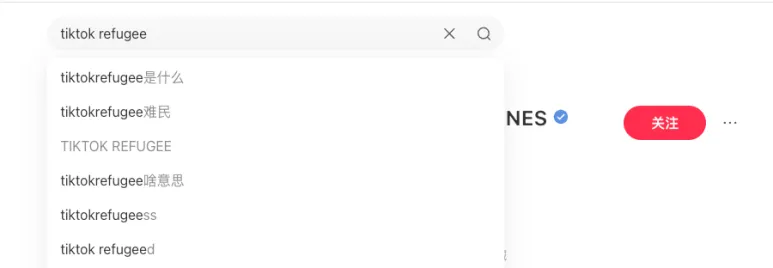
Xiaohongshu (小红书), another video-focused Chinese social platform, is also drawing attention. Many users and influencers went looking for alternatives under the hashtag “TikTok refugee.”
According to a recent Reuters report, about 700,000 new users signed up for Xiaohongshu in two days ahead of the TikTok ban. According to Sensor Tower, Xiaohongshu’s US downloads jumped more than 200% year over year and 194% week over week, and in mid-January it even hit No. 1 in downloads on the US App Store.
Xiaohongshu was originally an app for users in China with a Chinese-language interface, but it said it’s developing Chinese-English translation tools for its surge of US users. K-beauty brands and many other companies already use Xiaohongshu actively to expand into China, and with a flood of US users, it could become a chance to gain global awareness the way TikTok did.
To grow on a new social platform, brands need a strong brand protection strategy behind them. With counterfeits and impersonator accounts likely to increase, an effective IP protection strategy protects consumers while preserving brand trust. Since Xiaohongshu could be a promising new marketing channel, now is the time to consider brand protection and growth strategy together.
2. Social content spreads fast: protecting brand IP across platforms
As TikTok users and creators move to new platforms, the risk of brands’ existing content being misused is growing. Before a brand sets up its official account, bad actors can create fake accounts using its logo and product images, and even claim official verification badges first. Cases of forged letters of authorization, made to look as if the brand officially granted permission, have also surged recently. This suggests documents can be forged to get official account verification not just on marketplaces but on social media too.
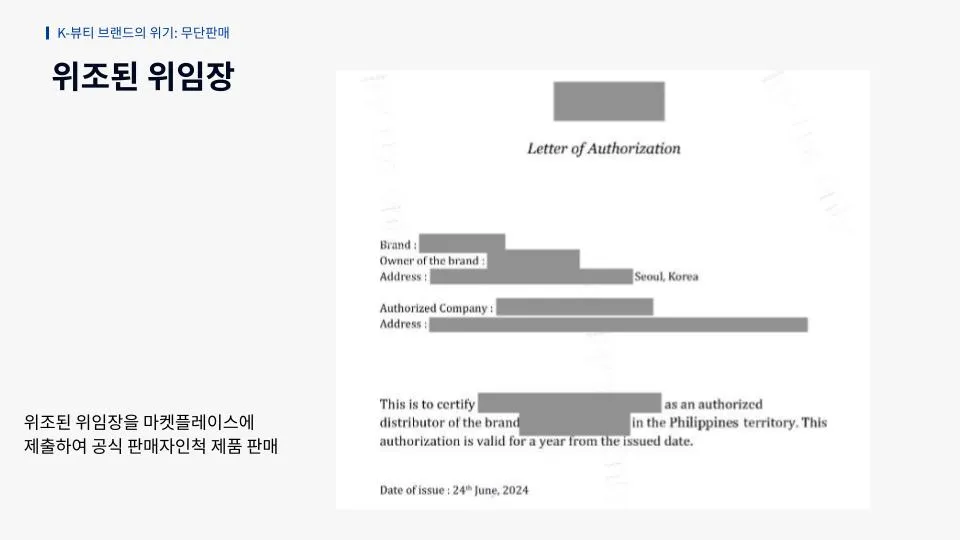 Source: MarqVision seminar slides
Download the full slides free and see the new threats K-beauty brands face in the US.
This confuses consumers and can steer them toward counterfeits or into scams where they pay and never receive the product. Recently, these fake accounts have increasingly used social media ads to lure consumers and steal card or personal information. Consumers get hurt and lose trust in the brand, and negative experiences can spread fast on social media.
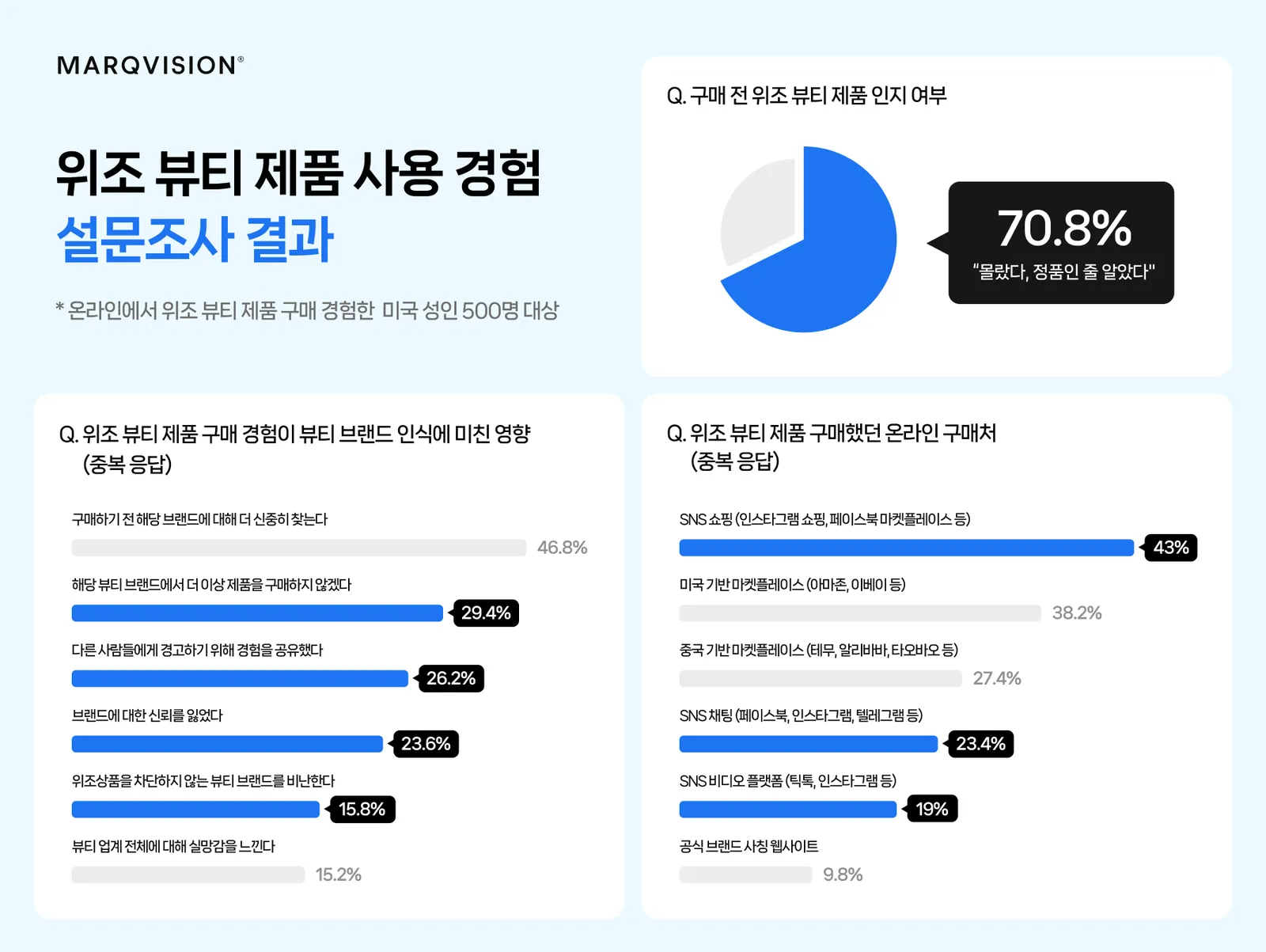
Social media is an important channel that connects brands and consumers quickly, and a key place to follow trends and buy products. In MarqVision’s survey of US consumers, more than 85% of respondents said they check beauty trends on social media or buy products directly in the app. Because so many consumers connect with brands through social media, bad actors are increasingly likely to exploit gaps in brand protection on new platforms to reach them. With consumer safety at stake, not just counterfeits, brands need to strengthen protection of IP such as logos and images across social media and put a systematic, effective response strategy in place.
3. TikTok is still popular globally, so keep monitoring it
Even if TikTok is banned in the US, it’s likely to keep operating actively in other countries. So brands need to keep monitoring activity on TikTok as well as on alternative platforms, protecting the brand and consumers from bad actors. According to our US beauty market insight report, 20% of respondents said they had bought through short-form platforms such as TikTok and Instagram. That figure covers only consumers who had encountered counterfeits, so the number of consumers actually buying on social media is likely far higher. And 28% of consumers said the speed of social media and engaging video content drive impulse purchases.
In videos especially, consumers often find it hard to tell whether a product is counterfeit, and bad actors exploit exactly that. That calls for ongoing attention and effort from brands. Because TikTok videos spread and disappear quickly, brands need an effective system that can detect and respond to them accurately. To grow and expand safely not just in the US but in global markets, strengthening your brand protection strategy and executing it consistently matters more than ever.
Strategic responses for effective brand IP protection
Whether TikTok will be banned isn’t settled yet, but brands should use this moment to strengthen their digital marketing and brand protection strategies. With a systematic response based on the strategies below, you can protect your brand effectively even in an uncertain market.
1. Use a range of social platforms
Rather than relying on TikTok, expand your reach with customers across platforms such as Instagram, YouTube and Xiaohongshu, and reduce your dependence on any single platform.
2. Educate consumers
Actively point consumers who follow your official TikTok account to official purchase channels such as your website or Amazon, to minimize confusion caused by counterfeits and unauthorized sales.
3. Adopt AI-based IP protection
To respond quickly and effectively in a changing online environment, adopt a generative AI-based brand IP protection platform that detects and responds to misuse of your brand IP and resulting harm across social channels in real time.
4. Work with legal experts
Work with IP experts and legal teams in each country to take legal action effectively to protect your IP and fight counterfeits.
Whether or not TikTok is banned, this issue is prompting brands to rethink their digital marketing strategy and recognize once again why brand protection matters. Social media is now more than a marketing channel. It’s a core space for talking directly with consumers. But bad actors can misuse important assets brands have built over years, such as logos, product images and ad copy. These are assets protected as the brand’s intellectual property (IP), through copyrights and trademarks. Bad actors are likely to exploit this IP to impersonate official accounts, sell counterfeits and steal consumer information.
To protect their valuable IP, brands need to respond flexibly to a fast-changing digital environment while building a strong IP protection strategy. Only brands with that kind of strategy can keep growing safely in global markets.
On the MarqVision blog, see how generative AI affects IP protection strategy, along with IP protection policies and cases on various marketplaces. Our next post will bring more useful information, so don’t miss it. And subscribe to the MarqVision newsletter for in-depth insights on IP protection.