[Report preview] The damage from gray-market sales, in data
Nine in ten e-commerce practitioners have felt revenue loss from gray-market sales firsthand. Here's what the damage looks like in the data.
 Irene Lee4 min read
On this page4
In our last post, we asked, “Does tackling gray-market (unauthorized) sales really help prices recover?” This time, based on a survey of practitioners at real companies, we look specifically at the damage gray-market sales do to brands.
Read the previous post here.
For brands, trust breaks before revenue does
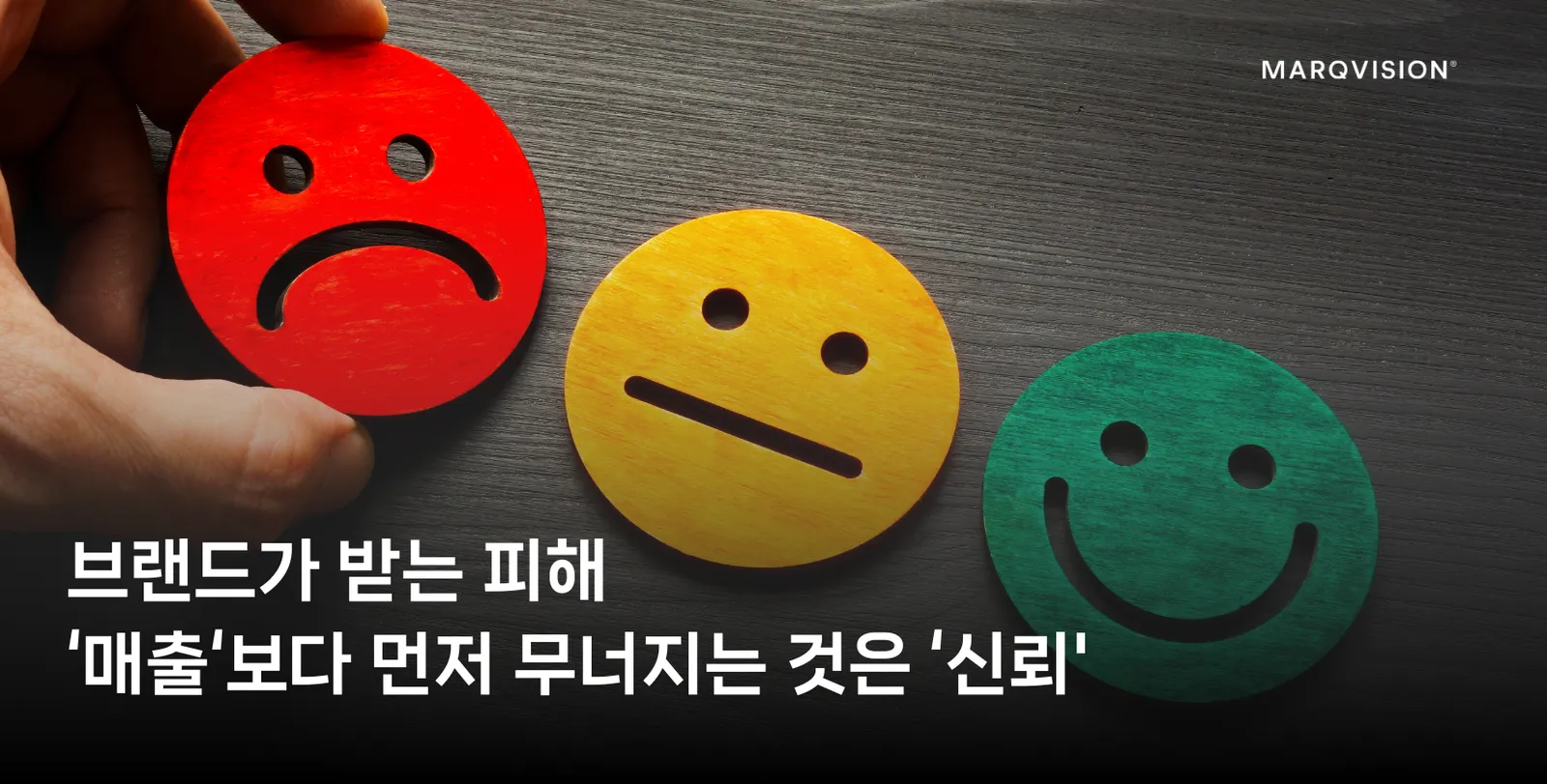
As online sales channels multiply, brands gain more room to grow but also face a new risk: gray-market sales.
Gray-market sales come from sellers who distribute products without an official agreement. The damage goes beyond lost revenue. It’s an invisible loss that can break down the “trust structure” a brand has built over many years.
In MarqVision’s survey of e-commerce practitioners, the damage from gray-market sales fell into two categories:
- Damage to brand value and consumer trust: 57.38%
- Direct revenue loss: 42.62%
Gray-market listings rise to the top of search results through steep discounts, and consumers buy on price alone without realizing the seller isn’t an official channel. The problem is that because these products didn’t go through official distribution, there can be issues with storage conditions, authenticity, after-sales service and customer support. Consumer complaints then land on the brand, and even trust with official partners is shaken.
The data confirms that the pricing policies, customer trust and partnerships a brand spent years building can collapse in a short time.
Does the damage differ by industry?
The extent of gray-market damage varies by industry and product type.
-
In industries where pricing policy and brand image are central, such as fashion, electronics, beauty, food and beverage, and health supplements, gray-market sales lead directly to damaged brand value and weaker competitiveness, making the harm especially severe.
-
For small and mid-sized brands and online-first companies, competition for visibility on open markets and marketplaces is fierce, so falling search rankings and lost price competitiveness quickly turn into lower sales.
Also, the more customer touchpoints an industry has, the more often gray-market price violations are discovered through customer complaints. Fashion (16.67%) and beauty (15.48%) companies reported the highest rates of discovering gray-market sales through complaints. This shows consumers are complaining directly because of gray-market sales, which hurts brand reputation.
88% of practitioners have lost 5% or more of revenue to gray-market sales
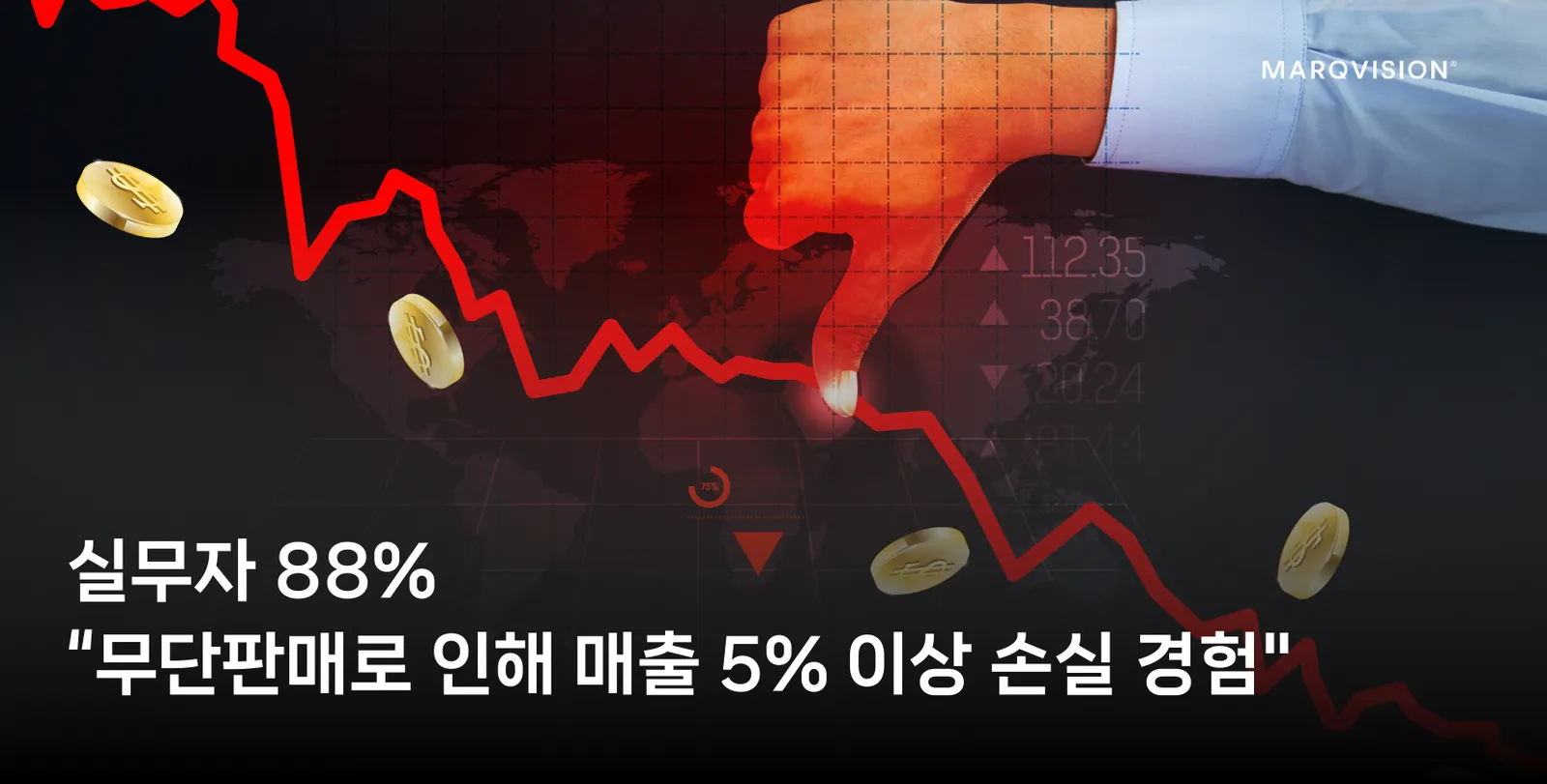
Most brands feel the revenue loss from gray-market sellers, but the actual loss turned out to be far larger than expected. 88% of responding companies said they had lost 5% or more of their total revenue to gray-market sales. That’s not just a feeling. It’s a quantified risk.
Gray-market sellers disrupt official distribution and weaken a brand’s control over pricing, holding back long-term growth beyond the short-term revenue loss. With many brands still unable to measure the real damage or lacking an effective response, this data makes a strong case for managing gray-market sales systematically and proactively.
How can you respond to gray-market sales effectively?
In a fast-changing online environment, black-market resellers who distribute products without authorization are multiplying quickly. To give fast-growing e-commerce companies more practical and useful insight, MarqVision surveyed practitioners and put together a report covering how often gray-market sales occur, the damage they cause and real response strategies.
If your brand is growing fast in e-commerce, pre-register for the report to be first to get practical insights and strategies you can act on.
Pre-register now and be the first to get the report.

On Thursday, May 29, we’re also hosting a webinar to help you put the report into practice. Register now.