10 brand protection trends to know in 2024
From new e-commerce platforms to new laws in the EU, US and China: the 2024 trends to know when planning how to protect your brand's IP, globally and in Korea.
 Irene Lee4 min read

On this page14
- Global e-commerce platforms: TikTok Shop, Temu, Shein, AliExpress
- Trend 1: TikTok Shop, the must-have platform for going global
- Trend 2: Temu, the Gen Z favorite behind the “Temu unboxing” craze
- Trend 3: Shein, the front-runner in fast fashion
- Trend 4: AliExpress doubles down on Korea
- Technology trends: live shopping, cloaking, deepfakes
- Trend 5: Live commerce, where everything happens in real time
- Trend 6: Cloaking, the technique that hides bad actors
- Trend 7: Deepfakes, when nothing can be trusted
- New laws protecting brands and consumers in the EU, the US and China
- Trend 8: The EU Digital Services Act (DSA)
- Trend 9: The US SHOP SAFE Act
- Trend 10: China’s amended trademark law
- How to protect your brand and consumers from IP infringement
Temu, AliExpress, TikTok Shop and Shein have shaken up the global e-commerce and marketplace landscape. Here’s how each platform approaches brand IP protection, and the new techniques bad actors use to deceive brands and shoppers. We also cover how new laws in the EU, the US and China aim to protect brands and consumers.
What online brand protection (OBP) teams need to know in 2024: e-commerce platforms, new technology, new laws
Shopping habits change every year, and so must the strategy for protecting a brand’s intellectual property (IP). In this post we share the insights brand protection teams need for 2024: which e-commerce platforms to monitor to prevent IP infringement, and how bad actors have changed their playbook.
Global e-commerce platforms: TikTok Shop, Temu, Shein, AliExpress
Trend 1: TikTok Shop, the must-have platform for going global
TikTok started as a social app built on videos under a minute long, and has since expanded into e-commerce with TikTok Shop. In an earlier post on the e-commerce platforms to watch in 2024, we covered how counterfeit sellers use TikTok to promote fakes. (Read the post) TikTok Shop hasn’t launched in Korea yet, but in global markets it’s no longer optional.
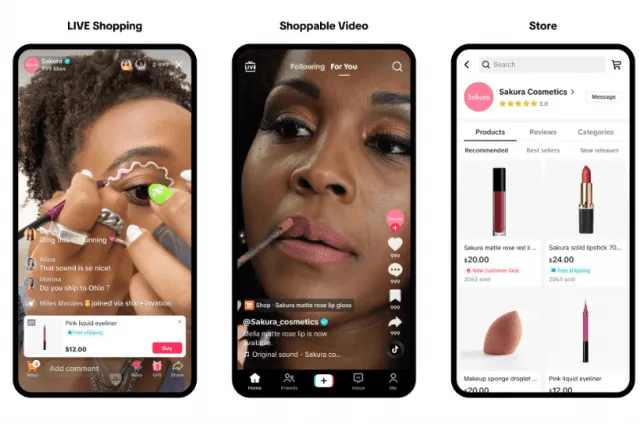 TikTok Shop
On TikTok Shop, sellers can talk directly to more than a billion users and reach shoppers faster than on any other platform. By combining social and commerce, it has given brands an effective channel for promotion, advertising and customer conversations. But with so many users, videos spread at a pace no one can keep up with, which makes it hard to monitor sellers of unauthorized copies of a brand’s best-selling products. Detecting and enforcing against counterfeits here takes a specialized strategy built around the platform and how its users behave.
Trend 2: Temu, the Gen Z favorite behind the “Temu unboxing” craze
Temu is an e-commerce platform founded in China that began to expand in earnest in Korea in 2024. In Korea it focuses on letting shoppers buy products made in China directly. Its ultra-low-price strategy drew a large number of users in a short time: Korean users jumped 40% to 8,296,000, nearly catching up with AliExpress’s Korean user base.
Temu’s low-price model puts the cheapest products at the top of search results, which creates an environment where counterfeits are bound to spread. A genuine product is priced to cover what it cost to develop. A counterfeit steals the brand’s idea, so it can sell for less.
Temu’s business model raises many concerns about brand IP infringement, but two matter most: 1) keeping cheap fakes from eroding the value of the genuine product, and 2) continuously monitoring counterfeit listings that damage the brand’s image and confuse consumers.
Because Temu competes on price alone, it has become a hub for counterfeit sellers. Brands need a careful, proactive response to protect their IP and prevent infringement there.
Trend 3: Shein, the front-runner in fast fashion
Shein is a fashion e-commerce platform that started in China and grew rapidly in global markets. Beyond its own fashion label, it now lets other sellers list products, which makes it an online marketplace too.
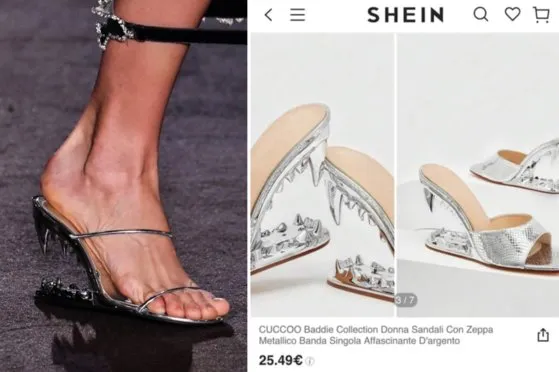 Shein design copying controversy
Shein has rarely been out of the headlines, especially over design copying, the most sensitive issue in fashion, and IP disputes. Uniqlo, Dr. Martens, Levi’s and Ralph Lauren have all sued Shein over IP infringement, and that pattern looks set to continue this year.
If Shein keeps the same approach to brand IP seen in these cases, it’s likely to fuel the spread of counterfeits in 2024 as well.
Trend 4: AliExpress doubles down on Korea
AliExpress is cementing its position in Korea with aggressive marketing. Like Temu, it has drawn many new users by competing on price; 1,158,575 consumers have now installed the AliExpress app. Shoppers and brands use the platform for different reasons. Shoppers come to buy at half the price, or up to 70% less, than on popular Korean marketplaces such as Coupang and Naver Smart Store. Brands have started opening stores to reach and sell to its large user base.
As official brand accounts arrived, so did counterfeits and fraud. Cheaper items appear first in search results, so fakes outnumber genuine products there and keep selling. In response, AliExpress actively accepts counterfeit reports and encourages them with policies such as a 100% refund when a fake is found.
But a fake that no longer ranks at the top of search results is still for sale on the platform. Protecting consumers and brand value takes continuous monitoring and enforcement.
Technology trends: live shopping, cloaking, deepfakes
Trend 5: Live commerce, where everything happens in real time
 Live commerce (Coupang example)
Live commerce promotes products through live streams and lets viewers buy on the spot. In Korea, marketplaces such as Coupang, Naver and Musinsa use it widely: an influencer shows the real product and explains its features and how to use it, which feels close to shopping in a store.
For brands it’s another problem to solve. Anyone can create a live commerce account, and once a stream ends it often can’t be replayed, which makes it hard to trace. Counterfeit sellers exploit exactly that to promote and sell fakes quickly.
The same technology that lets sellers show products to shoppers in real time makes it harder for companies to monitor and prevent IP infringement.
Trend 6: Cloaking, the technique that hides bad actors
Bad actors use cloaking to show a legitimate product to the desktops and laptops companies monitor from, while showing counterfeits to mobile users. The tactic relies on the fact that consumers and companies use different devices and behave differently.
Cloaking means showing different content and URLs to people or search engines to hide who you are. In particular, it deliberately interferes with the indexing search engines rely on, so users can’t find the site in search results. Counterfeit sellers use it to avoid detection and to keep reported listings from being removed.
What matters is being able to detect the bad actors who deceive brands and shoppers across platforms, and to protect your IP. Bad actors use advanced technology, so companies need a solution that can detect and enforce against IP infringement on any platform.
Trend 7: Deepfakes, when nothing can be trusted
AI now makes it possible to create photos and videos of things that never existed, and deepfakes have become another concern for brand IP protection.
Two or three years ago, deepfakes drew attention as a way to imitate public figures such as actors, singers and politicians. They have since spread to companies: a CEO or an influencer can be cloned with startling accuracy.
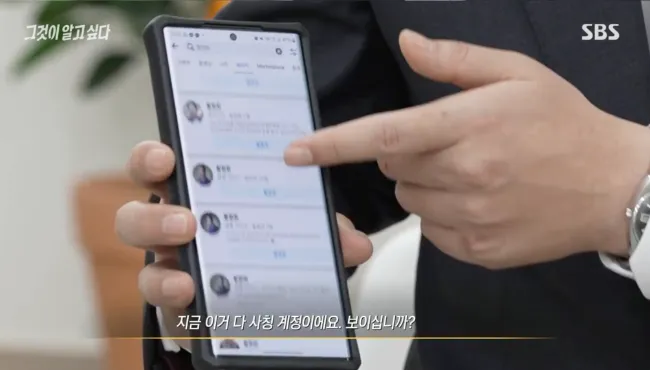
Several companies have already seen their brand image hit by deepfake content. Consumers who think well of a brand are targeted by phishing scams and led to pages selling fakes, or fed false information that badly damages the brand. In Korea this also leads to financial fraud: scammers impersonate celebrities and executives to lure victims into crypto investment chat rooms, and the damage has been serious.
Companies need more than a way to spot deepfakes. They need a strategy to protect and defend their brand image and credibility. That protects the brand’s IP and reduces the harm to consumers.
New laws protecting brands and consumers in the EU, the US and China
Trend 8: The EU Digital Services Act (DSA)
The Digital Services Act (DSA) has brought major change to how online services are regulated in the EU, including IP protection. Introduced mainly to prevent harmful online activity, IP infringement included, it imposes strict new rules on digital platforms:
- Actively identify and act on illegal content, including IP infringement
- Simplify the process for reporting IP infringement
- Disclose how illegal and harmful content is managed and how reports are handled
- Trace sellers who infringe IP on online platforms
In other words, online platforms must manage content under stronger IP protection policies and have a process for resolving IP disputes. Platforms that fail to meet these requirements can be fined up to 6% of their annual income or revenue.
Company representatives and consumers can turn to Digital Services Coordinators for a review of IP infringement and for remedies such as fines or service suspension in disputes.
Trend 9: The US SHOP SAFE Act
The US SHOP SAFE Act could significantly change online marketplaces’ liability for selling counterfeit products that pose a risk to health or safety.
If it passes, the SHOP SAFE Act will require marketplace platforms, not just sellers, to vet listings more thoroughly and remove products that infringe IP. Brands should work closely with marketplaces so they can comply with the act, improve consumer safety and protect IP.
The act also rewards marketplaces that make a real effort to comply, even if minor issues or mistakes occur. It encourages platforms to build systems that correct mistakes, and a platform can be exempt from liability if it can show that it:
- Made sufficient effort to vet and screen counterfeit sellers and their listings
- Consistently enforced policies against counterfeit sellers
- Set up a process that lets consumers see all relevant seller information when they buy a counterfeit
The SHOP SAFE Act first appeared alongside the INFORM Consumers Act in 2023, and enacting it could further strengthen IP protection in the US.
Key term
What is the INFORM Consumers Act?
A US federal law that aims to prevent the sale of counterfeit and stolen goods on marketplaces by collecting accurate identity information from sellers, to make online shopping more transparent. Marketplaces must keep that information up to date and, when problems arise, disclose the identity of bad actors.
Trend 10: China’s amended trademark law
China’s proposed trademark law amendments are expected to have a major impact on how brands protect their IP in China. The goal is to prevent trademark infringement and abuse more effectively.
The key changes:
- A stronger obligation to use registered trademarks, with new requirements to commit to use and to submit evidence of use every five years
- An anti-dilution provision to better protect well-known trademarks
- A ban on bad-faith trademark registration and use
Key term
What is an anti-dilution provision?
It gives the owner of a well-known trademark the right to stop a third party from using the mark commercially when that use reduces the owner’s sales, regardless of competition or likelihood of confusion. For example, if someone used the “Samsung” trademark commercially and Samsung’s sales suffered as a result, Samsung could demand that they stop using it.
With these amendments, China is strengthening its IP protection framework. Given that China hasn’t always respected or upheld foreign IP rights, the changes should be positive for brands. The trademark dilution rules in the amendments generally protect the IP of large companies, but over time they may extend to brands of every size. By reducing trademark squatting and strengthening respect for existing marks, the amended law could improve China’s IP environment.
How to protect your brand and consumers from IP infringement
As these trends show, counterfeit sellers rely on social media and e-commerce platforms. Anyone can open an account on an e-commerce platform, and beyond the global players there are a great many domestic ones. Monitoring all these channels and enforcing against fakes, so online sales go to the brand rather than to counterfeiters, has become a core business strategy in brand protection.
Most enforcement removes counterfeit listings from a platform so they can no longer sell. But bad actors already run multiple IDs and sales channels, so they can sell the same product from another account. Reporting individual fakes to platforms on its own is inefficient and can waste a brand’s time and resources.
MarqVision’s in-house AI clustering technology connects information gathered from many seller accounts, such as shipping addresses, emails and keyword patterns in product pages, to identify a single bad actor spread across multiple platforms. That also makes legal action for damages possible: raids on the counterfeiter’s factory, and asset freezes and seizures. Brands can restore value lost to IP infringement and grow their online sales.
Half of 2024 is already behind us, but it’s never too late to protect your IP. With overseas e-commerce platforms pushing into Korea and K-culture more popular than ever, now is the time to learn how to prevent infringement and build a protection strategy for your brand. Protect your brand online with MarqVision.