.jpeg)
The bigger your game gets, the more people are trying to profit from it without your permission. That's not a new problem, but the scale in 2026 is harder to ignore. Pirated APKs, counterfeit merchandise, fake storefronts, and account fraud all hit at the same time across different channels, and stopping one doesn't slow the others. This post walks through what each threat actually looks like and how to build a program that covers all of them.
TLDR:
- Gaming brands face parallel threats: MOD APKs can surface within 24 to 48 hours of release, collapsing freemium revenue before most teams detect them
- Counterfeit gaming merchandise accounts for an estimated 12 to 18% of total gaming merchandise transactions, per gaming merchandise market research
- Account takeover fraud hit 27% of global fraud incidents in 2025, per FraudNet, with gaming accounts targeted for stored payment methods and rare in-game items
- Registered trademarks are the prerequisite for every enforcement channel; without multi-territory filings, takedowns, domain disputes, and customs recordations all stall
- MarqVision covers gaming-specific piracy enforcement across 1,500-plus distribution sites, 50-plus marketplaces, and 1.3 billion domains with channel-specific detection and removal workflows
The IP Threats Gaming Companies Face in 2026
For brand protection teams, gaming sits at an uncomfortable intersection. The global gaming market was valued at roughly $250.94 billion in 2026 and is projected to reach $415.3 billion by 2034, per a Straits Research gaming market report, which means the incentive to copy, crack, and impersonate scales alongside legitimate revenue.
That incentive shows up in the loss numbers. Piracy and counterfeit goods tied to games, anime, and creative content caused an estimated $67 billion in losses inside and outside Japan in 2025, per an industry ministry survey covering the broader creative sector, not games alone.
What makes gaming distinct is that the threats run in parallel. Digital piracy, physical counterfeit merchandise, and account fraud hit at once, across marketplaces, app portals, social channels, and storefronts spanning dozens of jurisdictions. Each channel demands a different enforcement basis.
What Makes Gaming Brands a High-Value Target for Infringers
Gaming IP concentrates value in ways that reward every kind of infringer. Start with fandom. Passionate communities generate steady demand for merchandise, giving counterfeiters a reliable buyer base for fake apparel, figures, and collectibles tied to popular titles and characters.
Digital delivery lowers the friction on the piracy side. When the product is a downloadable file or a streamed session, copying and redistributing it costs almost nothing.
In-game economies add a third pull. Skins, currency, and rare items carry real resale value, turning player accounts into assets worth stealing through gaming scams.
Then there is the surface itself. A single franchise spans characters, titles, logos, digital items, soundtracks, and streaming content, and each format opens a separate line of attack.
APK Piracy and MOD APK Distribution
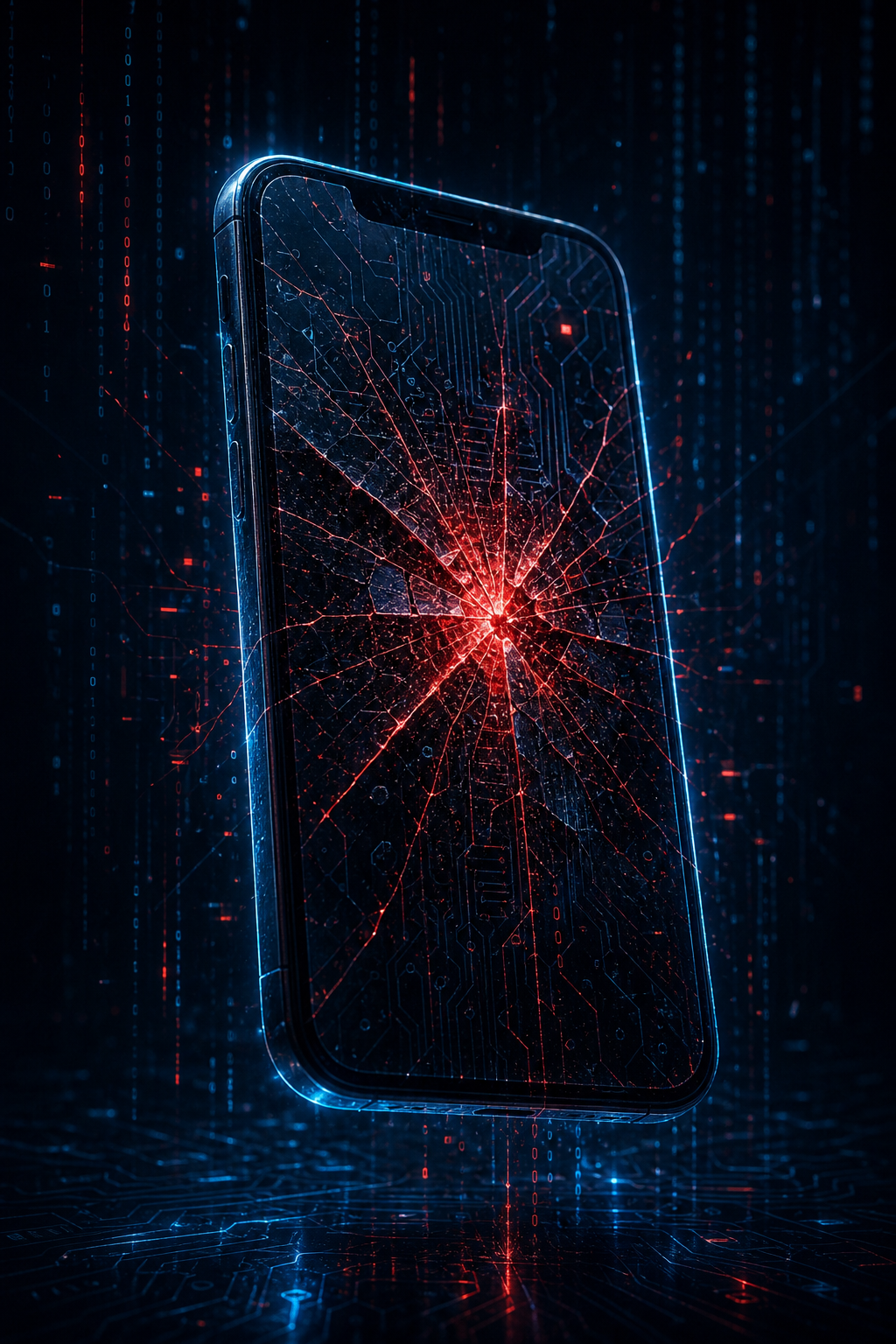
For mobile gaming companies, MOD APKs are the sharpest edge of the piracy problem. A MOD APK is a modified version of your Android app, repackaged after someone strips out the parts that protect your revenue.
The lifecycle runs in three stages.
When a modded build hands players unlimited gems or free paid tiers, the freemium model that funds the game stops working.
The malware risk lands on you too. Cracked builds frequently carry keyloggers or injected code, and the file still wears your name, so the fallout hits your reputation even when the harm starts on someone else's server.
Game Piracy: DRM, Cracked Titles, and the Enforcement Gap
For PC and console titles, damage clusters in the launch window. A game earns most of its revenue in the first weeks, exactly when crackers race to defeat DRM and post working copies to torrent trackers and warez forums. The faster the crack lands, the more peak-sales revenue bleeds out.
MUSO recorded 216.3 billion visits to piracy sites across all media in 2024, per video game piracy research. Gaming is one slice, but the pull toward free copies is constant. Esports tournaments and streamed gameplay get restreamed live on unauthorized channels, siphoning viewers from official broadcasts, a growing form of unauthorized restreaming on TikTok and similar platforms.
Enforcement is hard for specific reasons:
- Anti-piracy software and DRM slow crackers but rarely stop them, so takedowns stay a recurring workload.
- DMCA notices work when hosts and registrars cooperate, and stall when they do not.
- Many torrent indexes and streaming operators sit in jurisdictions that ignore Western legal process, pushing enforcement toward de-indexing and hosting-level disruption.
Counterfeit Gaming Merchandise: Physical and Digital
Counterfeit gaming merchandise splits into two tracks, and both drain licensee revenue. Knockoff collectibles and unauthorized digital assets account for an estimated 12 to 18% of total gaming merchandise transactions, according to gaming merchandise market research.
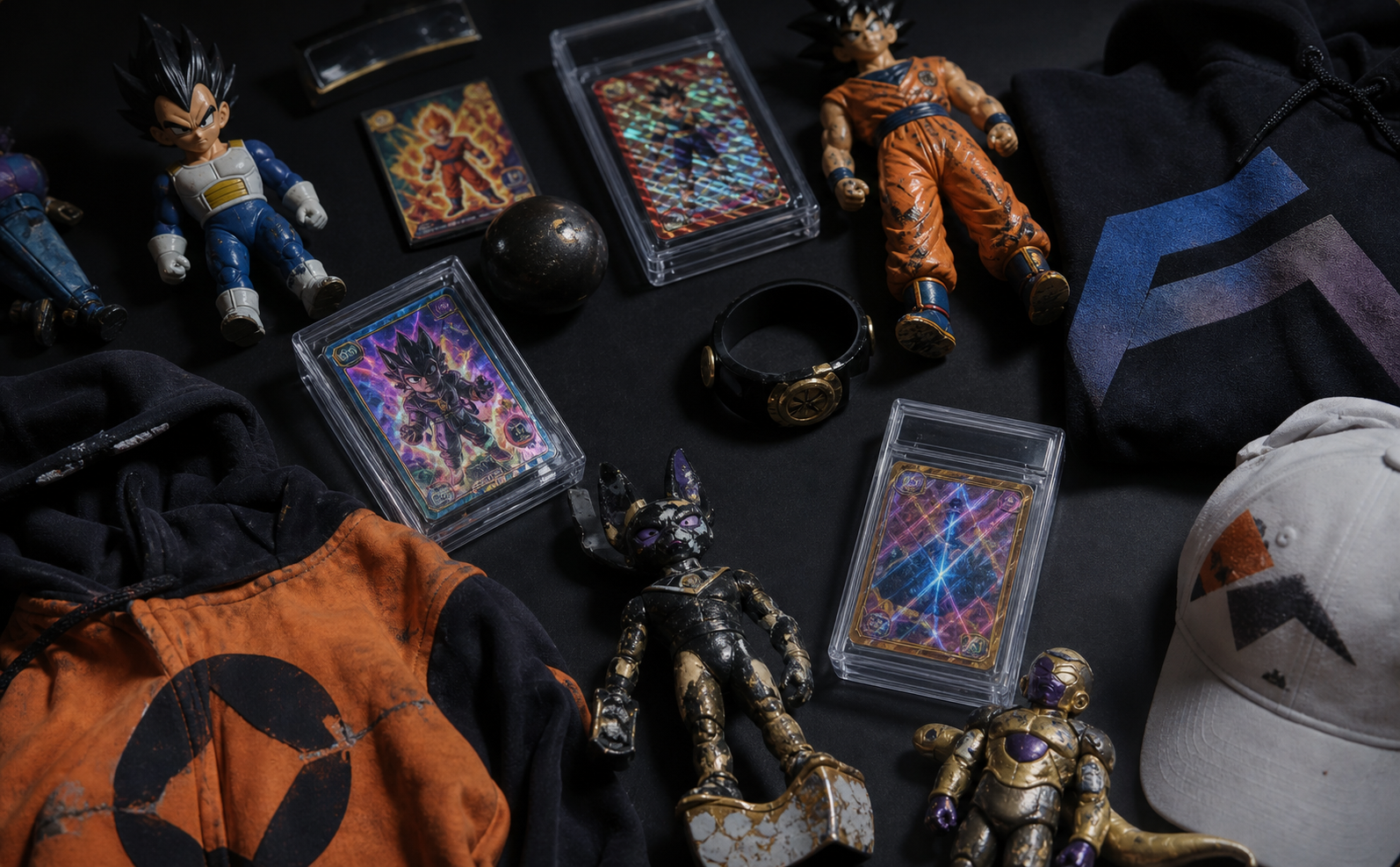
On the physical side, trading cards and collectibles carry the highest risk. Counterfeit cards, fake graded slabs, and bootleg figures are hard for buyers to authenticate, and resale value gives forgers a strong margin. Apparel follows, easier to spot but higher in volume.
The digital track runs through unauthorized in-game asset marketplaces, fake NFT drops tied to a franchise name, and skin resellers operating outside official channels.
Where these surface matters for enforcement scoping:
- Amazon and eBay for physical goods and graded collectibles
- Temu and regional marketplaces for high-volume bootleg apparel and figures
- Social commerce channels for card sales, skin resale, and fake drop promotion
Each channel needs its own detection basis, since the IP claim behind a fake figure differs from the one behind an unauthorized skin listing.
Fake Storefronts, Counterfeit Ads, and Social Media Distribution
Counterfeit gaming goods rarely move on marketplaces alone. Fake brand storefronts, spun up in minutes and promoted through fake ads impersonating your brand, collect payments and never ship genuine merchandise. The ad does the acquisition work; the storefront closes the sale.
Impersonation accounts compound the problem. Profiles on TikTok, Instagram, and Discord pose as official channels or fan hubs, pushing bootleg figures and skin deals to audiences primed to buy, a pattern covered in depth in our guide to TikTok Shop counterfeits.
Gaming intensifies this. Fandoms move fast, and creators command outsized trust, so a single video from a gaming influencer can funnel thousands of buyers to a counterfeit seller before anyone flags it.
The liability now reaches the promoter. In March 2026, a court held influencer Tuinenburg liable for roughly $11 million in Nike v. Tuinenburg for willfully promoting counterfeit goods, part of the broader rise of social media impersonation and a clear signal that amplification carries legal exposure, whether the creator knew the goods were fake or not.
Account Fraud and Credential Attacks Targeting Gaming Brands
Account takeover belongs on the brand protection desk alongside the security team. It accounted for 27% of global fraud incidents in 2025, with total ATO losses projected at $17 billion for the year, up from $13 billion, per the Sift Q3 2025 Digital Trust Index.
Gaming accounts make rich targets. They hold stored payment methods, rare skins, and in-game currency, all of which a fraudster can drain and resell within hours.
Two attack methods dominate:
- Credential stuffing, where leaked username and password pairs from unrelated breaches get replayed against your login endpoint at scale.
- Brand spoofing via fake domains that copy your studio's branding to harvest credentials directly, which is brand impersonation regardless of where the stolen data ends up.
The reputational hit lands on you. A player who loses an account blames the publisher, even when the compromise started with a reused password.
Trademark Registration as the Enforcement Foundation for Gaming IP
Every enforcement channel discussed so far shares one prerequisite. Platforms act on registered marks, so a takedown, a paid ad complaint, a domain dispute, or a customs recordation all stall without one.
That pushes gaming companies toward a portfolio instead of a single filing:
- Title marks for the game name
- Character names and likenesses
- Logo marks and studio branding
- Taglines and slogans
- Trade dress or design rights for distinctive product aesthetics, where the look itself carries value
Geography decides whether any of this holds up. A US mark supports enforcement on US storefronts but may not satisfy platform requirements elsewhere, so global titles need multi-territory filings ahead of launch. The USTR 2025 Review of Notorious Markets maps which jurisdictions demand coverage first.
Building a Brand Protection Strategy for a Gaming Company
No single program fits every studio. Start by mapping your documented exposure, then build the brand protection software components that match it.
- Continuous marketplace monitoring for counterfeit merchandise listings, scoped by the channels where your fakes actually cluster.
- APK and piracy site monitoring paired with takedown workflows fast enough to act inside the launch-window and post-release cracking timeline.
- Domain monitoring for lookalike stores and phishing portals, with de-indexing as a first response when hosting sits in non-cooperative jurisdictions.
- Social monitoring for impersonation accounts and counterfeit ad campaigns across the platforms your fandom lives on.
- Account fraud coordination that loops brand protection into the security team's credential-stuffing and phishing response.
Triage by two axes: revenue impact and consumer harm. A cracked title bleeding launch-week sales or a phishing page draining player accounts outranks a low-traffic bootleg listing. If your primary exposure is mobile piracy, fund APK enforcement first; if impersonation ads dominate, weight domain and social coverage before broad marketplace sweeps.
How MarqVision Supports Brand Protection for Gaming Companies
Our approach maps to the parallel threats gaming brands face, one enforcement channel at a time.
On the piracy side, our Anti-Piracy module treats APK and MOD APK removal as a distinct category, crawling over 1,500 distribution sites, including dedicated APK portals, XDA forum threads, and social groups, to detect pirated builds and start removal in minutes. That speed matters when a modded copy can surface within 24 to 48 hours of release. For esports and live gameplay, we monitor Twitch, YouTube Live, TikTok Live, Kick.com, and Soop at five-minute scrape intervals, with a 15-minute detection-to-takedown window. Our YouTube Enterprise Copyright Match Tool partnership cuts enforcement time by 60x, removing qualifying content in as little as 15 seconds.
On the merchandise and impersonation side:
- Anti-counterfeit scanning across 50-plus marketplaces, including Amazon, eBay, Temu, and regional platforms, with AI-validated detection.
- Digital Risk Protection covering 1.3 billion domains and 5 million new or updated domains daily, with a median fake-domain takedown of 5.3 hours per MarqVision platform data, aimed squarely at phishing pages copying studio branding.
- Meta Trusted Reporting partner status, with a 99% takedown rate on counterfeit ads across Facebook, Instagram, and related surfaces.
MarqFolio ties it together for the trademark layer, centralizing registration, monitoring, and multi-jurisdiction portfolio management, with an AI-powered Trademark Assistant that guides you from inquiry to filed application.
FAQ
Should a gaming company focus on APK piracy enforcement or counterfeit merchandise takedowns first?
It depends on your revenue model and documented exposure. If your primary income comes from mobile in-app purchases or freemium mechanics, MOD APK distribution is your most direct revenue threat and deserves first-priority funding. A modded build that hands players unlimited currency collapses the purchase loop entirely. If your franchise generates substantial licensed merchandise revenue through physical goods, marketplace counterfeit scanning should run in parallel from day one. Most studios face both simultaneously, so the practical triage question is which channel is bleeding faster: launch-window piracy hitting a new title, or steady-state counterfeit merchandise eroding licensee margins.
What IP registrations does a gaming company need before its brand protection enforcement program can actually function?
At minimum: title marks for game names, character names and likenesses, logo marks, and studio branding filed in every jurisdiction where you sell or license. Without registered marks in the relevant territory, marketplace takedown requests, paid ad complaints, and domain disputes stall at the platform review stage regardless of how clear the infringement is. Design rights and trade dress registration matter for counterfeit merchandise enforcement in particular. A knockoff figure that avoids using your logo but copies a character's distinctive silhouette requires a design rights basis, not a trademark claim. File ahead of launch in your core markets; retroactive registration in high-counterfeit jurisdictions leaves you unprotected during the window when a new title drives peak infringer activity.
How do fake storefronts and counterfeit ads targeting gaming fans actually work, and what does enforcement against them look like?
Counterfeit gaming storefronts typically get spun up quickly, promoted through paid social ads on Meta or TikTok, collect payment, and either ship bootleg goods or disappear. The ad does the acquisition work; the storefront closes the sale. Enforcement runs on two tracks: the ad itself gets reported through trusted reporter programs (MarqVision holds Meta Trusted Reporting partner status, reporting a 99% takedown rate on counterfeit ads), and the destination domain gets pursued through registrar and hosting-level action, with de-indexing via Google Safe Browsing as an immediate first response when hosting sits in non-cooperative jurisdictions. The two tracks need to run together; taking down the ad while leaving the storefront live, or vice versa, breaks the enforcement chain.
What is game piracy enforcement, and how does the takedown process work for cracked titles and unauthorized streams?
Game piracy enforcement covers removing unauthorized copies of PC and console titles from torrent trackers and warez forums, taking down MOD APKs from illegal distribution portals, and stopping unauthorized live restreams of esports and gameplay content. The takedown mechanism varies by channel: DMCA notices work when hosts cooperate; de-indexing through Google Safe Browsing cuts search traffic to non-cooperative sites; hosting-level disruption through registrar and Cloudflare API partnerships accelerates removal where standard abuse reporting stalls. For live streams, the detection-to-takedown window is the critical variable: unauthorized restreams need to come down in minutes, not hours, which is why MarqVision monitors Twitch, YouTube Live, TikTok Live, Kick.com, and Soop at five-minute scrape intervals with a 15-minute takedown window.
Can social media impersonation accounts and gaming influencer promotions of counterfeit goods be enforced against, or does legal exposure only hit the seller?
Both the seller and the promoter can carry legal exposure. The March 2026 Nike v. Tuinenburg ruling held an influencer liable for roughly $11 million for willfully promoting counterfeit goods, a clear signal that amplification is not a safe harbor. On the enforcement side, impersonation accounts on TikTok, Instagram, and Discord that push bootleg figures or unauthorized skin deals can be reported and removed through platform channels, but the speed of fandom-driven distribution means proactive social monitoring matters more than reactive reporting. Accounts need to be flagged before a single video routes thousands of buyers to a counterfeit seller. If your primary exposure is social-channel counterfeit distribution, weight social monitoring and Meta Trusted Reporting coverage before broad marketplace sweeps.
Final Thoughts on Brand Protection Strategy for Gaming Companies
Gaming IP protection works when the response matches the actual threat, not a generic checklist. If MOD APKs are bleeding your freemium revenue, that comes first. If counterfeit merchandise dominates, that is where detection and takedown investment belongs. The enforcement foundation, registered marks across the right jurisdictions, makes every channel action possible. See how a gaming-focused program is built by requesting a demo with our team.
Stay up to date on the latest IP Protection content from MarqVision.



4 Enforcements a Week to 400: Scale Brand Safety with Marq AI

Don’t Just Find Counterfeits. Dismantle the Entire Network.

.png)
Discover the latest trends and challenges in IP protection

Take Control of Your Trademarks with MARQ Folio
Renew and Manage Your Trademarks Easily With MARQ Folio

We’re waiting to hear from you

See the best brand protection solution in action

Don’t let piracy steal your growth

Talk to us about your brand protection problems