What brands don't see: the moment unauthorized sellers take control of your pricing
How unauthorized sellers break brand pricing in Korea's KRW 271 trillion e-commerce market: Item Winner, parallel imports, gray-market routes and how to respond.
 Jinie Park4 min read
On this page9
- The e-commerce gray market in 2026: the moment unauthorized sellers take control of your pricing
- What is the gray market? Unauthorized sellers cashing in on a market the brand paid for
- Three ways unauthorized sellers get into e-commerce channels
- Lost Item Winner spots: how brands get pushed out of view
- Three kinds of damage the gray market leaves behind
- Brands now need to manage channel control, not just sales volume
- MarqVision’s strategy for fighting the gray market
- Are unauthorized sellers taking the demand your brand paid for?
- FAQ: when unauthorized sellers take control of your pricing
The e-commerce gray market in 2026: the moment unauthorized sellers take control of your pricing

“Our products are selling on Naver Smart Store 30% below the official price, and we don’t know who the seller is.”
“We keep losing the Item Winner spot on Coupang. Is this just price competition?”
If this sounds familiar, your brand is very likely already dealing with gray-market distribution.
Brands invest in advertising and marketing to create demand, and in Korean e-commerce, more and more of the resulting sales go to unauthorized sellers. In a market built around marketplaces such as Coupang, Naver Smart Store and 11st, unauthorized sellers keep taking control of pricing and product visibility without the brand noticing.
This is no longer just about “selling cheap.” Gray-market distribution has become a structural risk that shakes a brand’s pricing policy, official distribution network and consumer trust all at once.
What is the gray market? Unauthorized sellers cashing in on a market the brand paid for

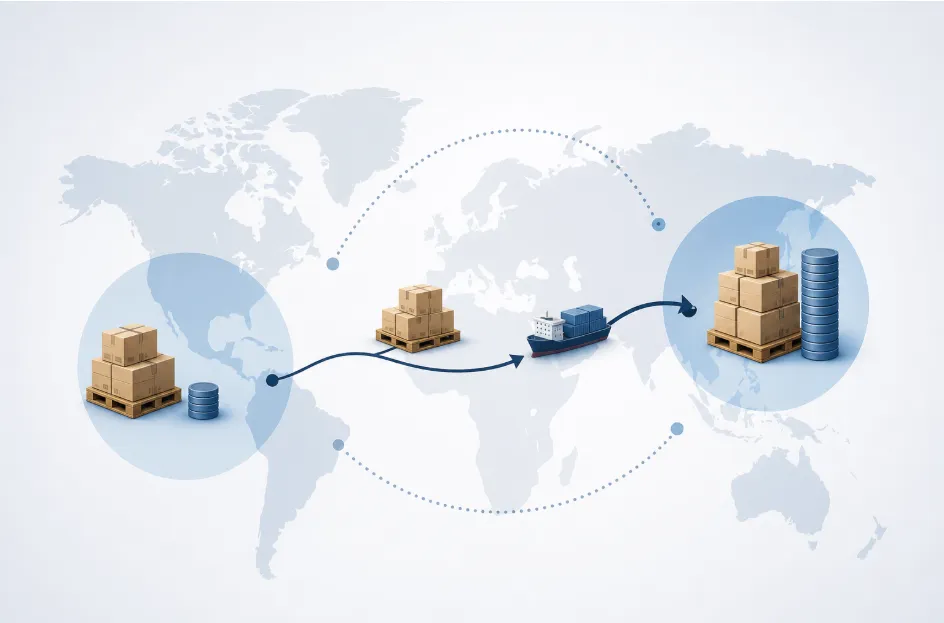
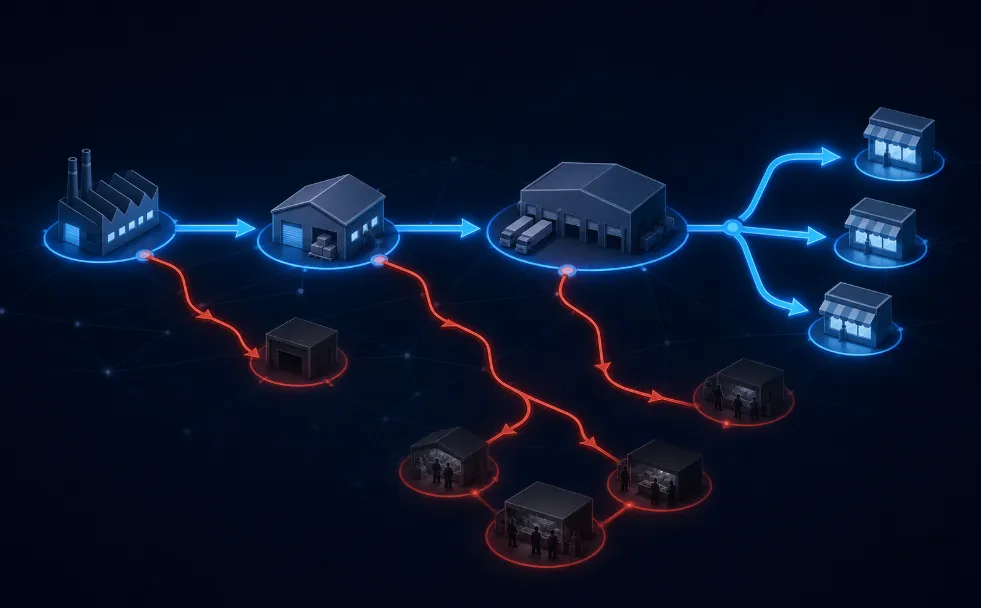
The gray market isn’t the same as counterfeiting. It means genuine products sold outside the brand’s official distribution: products that reach e-commerce platforms through parallel imports, resale or unapproved wholesale. The product is genuine. The route is one the brand never approved.
Korean e-commerce grew to KRW 271 trillion in 2025 (Statistics Korea), and the gray market is growing fast alongside it. According to a 2025 OECD-EUIPO report, global trade in counterfeit and pirated goods is worth $467 billion, 2.3% of world trade. Include gray-market distribution, and the real damage to brands is far larger.
And there’s a reason it’s more dangerous for brands. Because gray-market products are genuine, platforms don’t block them automatically. Detecting and acting on unauthorized sellers falls to the brand.
Three ways unauthorized sellers get into e-commerce channels

Unauthorized sellers source products and get onto platforms through various routes outside the brand’s control.
① Parallel imports: cheap stock from abroad flowing into Korean e-commerce
Unauthorized sellers resell products they bought cheaply abroad on Korean platforms. On Coupang and Naver in particular, listings often appear 15–40% below the official price, and discounts of up to 45% have been seen in luxury and premium categories.
The price gap isn’t the only problem. Unknown storage conditions, poor expiry date management, no after-sales service and country-specific specs can make the same product a very different experience. And shoppers see it as the brand’s problem.
② Resale: resellers cashing in on demand the brand created
Sellers buy promotional or bulk-bundle products from the official store and split them up for resale, or buy in bulk and dump them. It’s the most direct way the demand a brand creates with ads and campaigns turns into revenue for unauthorized sellers. If one seller keeps setting the lowest price after a promotion ends, it’s time to decide how to respond to unauthorized sellers.
③ Unapproved wholesale redistribution: official partners breaking their contracts
Here, a brand’s official distribution partner resells to third parties outside the scope of its contract. The brand then faces several problems at once: failed price control, untraceable distribution routes, more unauthorized sellers and an MAP policy that no longer works. The looser the channel contract management, the faster the gray market spreads.
Lost Item Winner spots: how brands get pushed out of view

Coupang’s Item Winner system features the seller with the best combination of price, delivery and purchase terms among all sellers of the same product. The problem starts the moment an unauthorized seller lists below the official price. The Item Winner spot goes to the unauthorized seller automatically, and the brand’s official store drops out of view. Shoppers end up seeing the unauthorized seller’s listing before the brand’s official one.
As of May 2026, Coupang has 34.4 million monthly active users (MAU). For brands, that means a huge point of contact with customers is going to unauthorized sellers. This isn’t just price competition. It’s a structural problem: the brand’s ad spend and marketing end up helping unauthorized sellers sell.
Three kinds of damage the gray market leaves behind
The gray market doesn’t do just one kind of damage. It squeezes the brand from three directions at once.
① A collapsing pricing policy: the moment MAP stops working
When unauthorized sellers’ cheap listings appear on a platform, official distribution partners come under pressure to cut prices too. At that point, the brand’s MAP (Minimum Advertised Price) policy effectively stops working. Without a real system for managing pricing policy, the brand’s value itself erodes over time.
② Weaker trust from official partners
“Why are unauthorized sellers cheaper than the official store?” When this keeps happening, official partners’ frustration grows fast. It leads to partners leaving, pressure to renegotiate contracts, a weaker distribution network and higher channel costs.
③ Damaged consumer trust
Complaints from shoppers who bought through unofficial channels, about poorly stored parallel imports, expiry problems or no after-sales service, land with the brand’s customer service and reviews. Distribution the brand couldn’t control ends up damaging its reputation.
Brands now need to manage channel control, not just sales volume

Growing sales volume used to be the key KPI. Now channel control is what makes a brand competitive.
In marketplace-led e-commerce in particular, you need to be able to answer these questions right away:
- How many unauthorized sellers are active right now?
- On which platform did prices start to collapse?
- Which sellers keep taking the Item Winner spot?
- Where are products leaking outside the official distribution network?
If you can’t see this in real time, you’re very likely already responding too late.
MarqVision’s strategy for fighting the gray market
Platforms won’t solve the gray market for you. Brands need to build their own detection, analysis and response system.
1. Monitor unauthorized sellers continuously: Keep tracking unapproved listings by brand and product name on major platforms such as Coupang, Naver and 11st. Without automation, by the time you notice the damage, sales have often already spread.
2. Analyze sellers and price movements in real time: Brands need to track more than prices: patterns of sharp price drops, Item Winner change history, recurring sellers, abnormal sales flows and price gaps between platforms. Marq AI analyzes seller and price data in real time to detect abnormal distribution patterns and gray-market flows. Built on brand intelligence, it also visualizes cumulative losses and how demand moves through unofficial channels.
3. Automate IP-based listing removal: Automating platform reports and listing removal based on your trademarks (IP) cuts response time sharply. Fighting the gray market comes down to speed. The shorter the time from detection to removal, the smaller the damage to the brand.
4. Manage official distribution contracts more closely: You need to keep monitoring whether authorized partners follow your pricing policy, and be able to act immediately when redistribution happens. With distribution contracts, ongoing management matters more than signing.
Are unauthorized sellers taking the demand your brand paid for?

Can you say exactly how many unauthorized sellers are active on your brand’s e-commerce channels right now?
If you can’t answer right away, now is the time to start checking. MarqVision provides a gray-market response system built on brand intelligence, from detecting unauthorized sellers to analyzing price movements, removing listings and controlling demand across channels.
Request a free demo: see whether the marketing demand your brand invested in is turning into sales for unauthorized sellers. A live demo shows the current state of the gray market on your e-commerce channels.
FAQ: when unauthorized sellers take control of your pricing

Q1. What’s the difference between the gray market and counterfeits?
The gray market is genuine products sold outside a brand’s official distribution network. Counterfeits are fake products that imitate the brand. Because gray-market products are genuine, platforms often don’t block them automatically.
Q2. How is Coupang’s Item Winner decided?
Coupang selects the Item Winner automatically based on price, delivery speed, purchase terms and customer experience factors. When an unauthorized seller prices below the official store, it is more likely to take the Item Winner spot.
Q3. Can brands stop unauthorized sellers?
Yes. Brands can build a response system for unauthorized sellers through trademark (IP) based reports, an MAP policy, monitoring of unauthorized sellers on e-commerce platforms and distribution contract management.
This post is part 2 of our series “What brands don’t see.” Don’t miss the next installment, coming next week:
- Part 1. How brand ad spend becomes phishing revenue: the state of brand impersonation and phishing
- Part 2. The moment unauthorized sellers take control of your pricing (this post)
- Part 3. Why marketplaces don’t stop counterfeits for you