E-commerce trends in 2026: AI recommendations, channel control and global pricing
Takeaways from MarqVision's seminar on AI and e-commerce in 2026: AI-led choice, channel control and global pricing, with cases from Yonsei Dairy and GNM Life.
 Jinie Park4 min read
On this page5
Highlights from our seminar on how AI is changing e-commerce in 2026
To keep growing online, brands now need more than short-term sales. They need a channel strategy built for AI, and real control over their brand.
At our seminar on April 30, MarqVision covered the e-commerce realities brands face, and how to respond, in three topics. Speakers included MarqVision’s head of product, its Brand Intelligence planning team and the former head of global commercial at Aekyung Industrial. Practitioners from Yonsei Dairy and GNM Life joined the panel.
1. The age of search is over: be the brand AI chooses
Shoppers used to compare products by moving between platforms themselves. Now AI does the searching, summarizing and recommending, and shoppers just make the final call. According to Bain & Company, shopping-related searches in ChatGPT grew 70% in six months; 44% of Koreans have used AI, and more than 80% of them use it to look up information.
That’s a new challenge for brands. SEO (search engine optimization) alone can no longer guarantee visibility and recommendations when AI does the choosing. It’s time to move to AEO (answer engine optimization): getting accurate brand information, good reviews and consistent channels into a form AI can understand and cite.
The key is how quickly a brand can structure its data so AI can read it. That’s the starting point for the Brand Intelligence MarqVision presented at the seminar. It connects a brand’s vast data in real time to build the trust signals AI uses as grounds for a recommendation, and turns that data into insights brand teams can act on right away.
In the age of AI, there’s no second place. You’re either chosen or you don’t exist.
- Binna Kim, Global Head of Product, MarqVision
2. Channel risk now calls for a data-driven response
Unauthorized sellers moving in, pricing collapsing, brand experiences damaged by uncontrolled distribution: in each case the damage builds up before the brand notices. Platforms won’t block it for you. Detecting and responding is up to the brand.
Most brand teams can’t answer this question right away, and that’s the heart of the problem. It was never a lack of data. If anything, there was too much. What was missing was a way to turn all that data into decisions. Too often the old approach ended at monitoring data and building reports, and by the time the analysis was done the market had moved, so teams fell back on gut feel and experience, again and again.
MarqVision’s Brand Intelligence changes that. At its core is the AI agent MarqVision has built. An agent is an LLM trained for a specific domain, and MarqVision’s agent has learned a brand’s product information, platform policies and IP infringement patterns. So when someone on the team asks a question in plain language, the answer comes not from a general-purpose AI but from an agent that understands the brand’s context. It connects the data, picks out the most important problems and priorities right now, and suggests actions you can take immediately.
In the panel that followed, Yonsei Dairy shared how adopting AI-based monitoring cut its workload by more than 70% and moved the team from reacting after the fact to acting in advance. Once the team could spot pricing anomalies early, its role shifted from monitoring to brand growth strategy.
AI wasn’t a tool for efficiency. It was a tool for control. Once we were confident we could hold our pricing standards, sales and marketing started running consistently across the board.
- Jun-oh Lee, Division Head, Yonsei Dairy
GNM Life shared two principles for keeping brand trust. The first is transparency backed by data: publishing test reports and ingredient origins on product pages in full, so trust rests on data shoppers can check for themselves rather than on marketing copy. The second is acting on customer feedback right away. In one case, a single review saying the tablets were hard to swallow led to a smaller tablet. The idea: answer even small complaints with the product, and it comes back as repeat purchases.
The biggest risk is wrong information spreading on channels the brand doesn’t control. At that point, consumers can’t tell which information is right, and trust in the brand itself is shaken.
- Jaeyeon Lee, Senior Team Lead, GNM Life
3. Expanding globally with a pricing structure that protects margins
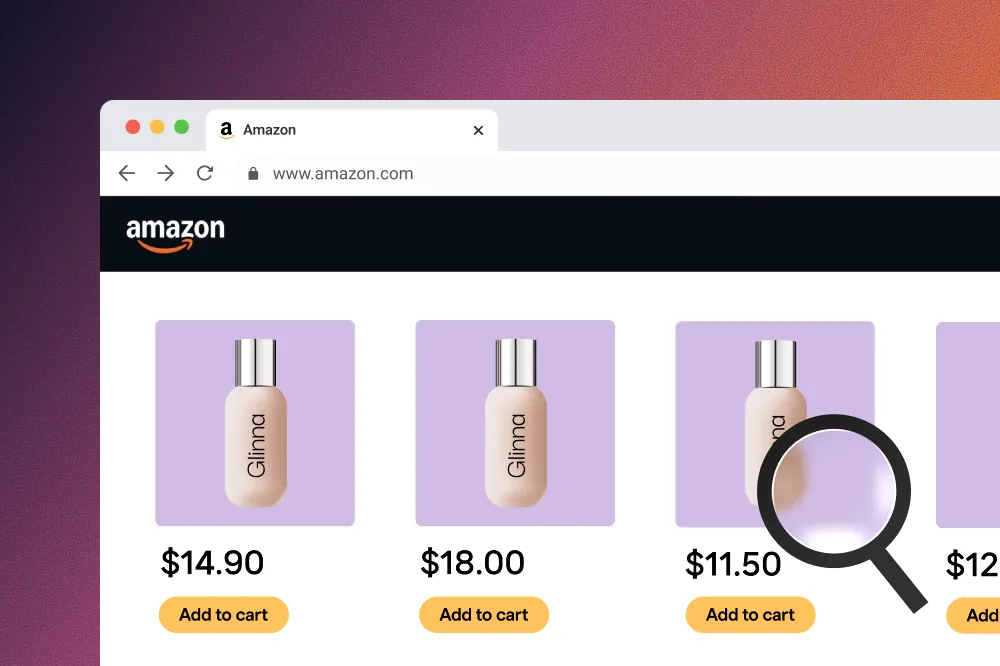
AI has lowered the barriers to going global, and price control is breaking down with them. Dynamic pricing algorithms drag official prices down to competitors’ levels, and stock dumped in one country gets surfaced worldwide through AI. This is already happening.
The core prescription was: “Don’t set an export price. Design a pricing structure.” Instead of the traditional bottom-up approach of setting export prices from cost, brands need a top-down approach: set the recommended retail price (RSP) first, then work backward to the margin at each stage of distribution. Add channels without a pricing structure and you get a vicious cycle: short-term sales, then falling margins and channel conflict.
“Global expansion isn’t about where to go. It’s about designing how to win. Expansion without a GTM strategy only creates bad revenue.”
Seunghyun Yoon, former Head of Global Commercial, Household Goods, Aekyung Industrial
Brand control is now a competitive advantage
A brand structured to be chosen by AI, real-time channel control, and pricing designed for profitability. One message ran through the whole seminar: only companies that truly control their brand will be chosen in the age of AI.
To stay a step ahead in a fast-changing online market, check your channel control and the foundations of your brand’s trust now.
Download the presentation summary: the key materials on e-commerce strategy for the AI era, in one place.
Request a free demo: see where your brand’s e-commerce channels stand, with real-time data.
FAQ: e-commerce trends in 2026

Q1. How is AEO different from SEO? SEO aims for a top spot in Google search results. AEO structures information so a brand gets recommended first in AI search environments such as ChatGPT and Gemini. Accurate brand information, review quality and consistent content are the key factors.
Q2. What does it take to detect e-commerce channel risks early? An automated system that analyzes seller and price movements across platforms in real time. With manual monitoring, by the time you notice the damage it has usually already spread.
Q3. Why does pricing structure matter when expanding globally? Prices set in B2C often don’t include the margin structure of B2B distribution, which can lead to price conflicts and lower margins when you expand into offline channels. Brands should link B2C and B2B pricing in advance with a top-down design based on the RSP.