A guide to dealing with copyright-infringing sites that hurt your brand's reputation
How to protect your company's IP and brand from copyright infringement, from DMCA takedown requests to removing content from Google search.
 Irene Lee4 min read

On this page6
If you’ve seen work your team labored over copied exactly by a company or person you’ve never heard of, you probably want that fake website gone right now. Illegal sites that use a brand’s creative, innovative content without permission can do serious damage to the business. Thanks to technology, stealing intellectual property (IP) is easier than ever, and it happens quite often in Korea and abroad. So what can companies do about it?
In this post, we look at how to get sites removed to protect your company’s IP when copyright infringement occurs.
What is copyright infringement?
Copyright infringement is any reproduction, distribution or display of copyrighted work without the consent of the original content owner. Copyright is the legal ownership given to the original creator. Most people don’t try to profit from copyrighted content, but because the responsibility for protecting copyright lies with the owner, creators of original work need to stay vigilant at all times.
As our daily lives and businesses move online, copyright infringement is getting worse and becoming a problem of its own. It’s not unusual to find thousands of scammers using copyrighted photos and other content online to deceive a company’s customers. That can do serious damage to the business and put revenue and brand reputation at risk. When a brand’s copyright is infringed, it’s important to act against the infringing website as soon as you find your content has been stolen or misused.
What should you do when you find infringing content?
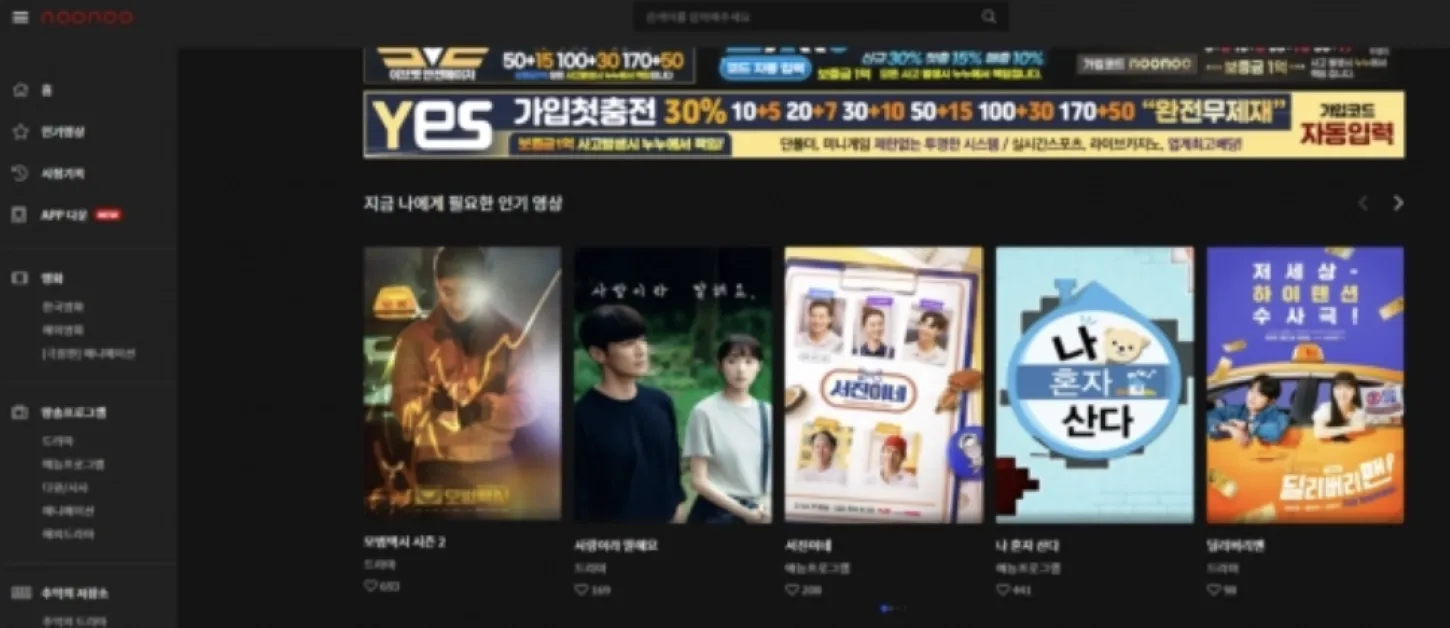
Before acting against an infringing site, the most important thing is to confirm the content really is your company’s content used without permission. Check and double-check that the content you own is 100% original. This is to avoid making a fuss about copyright infringement only to end up having to admit your company isn’t the copyright owner after all.
If everything shows the copyright belongs to your company, gather as much related information as you can. It’s best to document all evidence of infringement and secure proof that the content belongs to you.
Save everything as screenshots and, if possible, download a copy of the website’s HTML/CSS/JS. Be sure to save it as a PDF. There are also many tools that can download an entire infringing website. Saving the infringing site can help your DMCA (Digital Millennium Copyright Act) takedown request get approved faster.
How do you file a DMCA takedown request?
Takedown requests for infringing content under the US Digital Millennium Copyright Act (DMCA) have existed since 1998. The law was essentially designed to establish a safe harbor for web hosts. Note that if the host of an illegal site removes the content after receiving notice of infringement, it bears no legal liability for the infringement.
A DMCA takedown request is a formal notice warning of copyright infringement, and it can be sent through several channels. It applies not only to web hosts but also to domain registrars, search engines and others responsible for the infringement. Once you find a website with infringing content, you can send a DMCA takedown request anytime, anywhere.
If you’re a business owner reading this and planning to file a DMCA takedown request, you can submit it more easily, without needing to consult a lawyer. There are a few things to do before filing:
-
Research: Before taking any action, find out which web host is hosting the site with the infringing content. A WHOIS lookup can give you details on the domain registrar and the host of the infringing website.
-
Contact the web host: Web hosts typically use email addresses such as legal@company.com, dmca@company.com or copyright@company.com, and some provide a contact form for copyright infringement issues.
-
Required information: Before sending a takedown request, gather the content you believe was stolen. You may be asked to explain how the illegal site infringed your copyright. The more information you provide, the better your results. Don’t forget to include your own or your company’s contact information.
If your takedown request is accepted, the infringing content may disappear within 4 to 48 hours. However, the host may need to investigate the infringement further, in which case the decision can take longer. On the other hand, if the theft or fraud is obvious, you can expect a much faster result.
Filing a DMCA takedown request is generally the fastest way to remove infringing content. Keep in mind, though, that it works best when the web host is in the US. If the host is in another country, for example, this approach may not work. Also note that the infringing company can file a counter-notice that would let it use your original content again.
Can you also request a takedown from Google?
If so, how?
Infringing content can cause another problem: illegal sites using your stolen content may rank above your original content in Google search results. In other words, when customers search for keywords related to your company, the illegal site may appear above your own website. That’s a problem for many reasons, and naturally something the company with the original content wants to fix fast. Fortunately, this is relatively easier to solve than a DMCA takedown. You ask Google to remove the content.
Google has a simple notice process for removing infringing content. In the process, indicate that your company is the owner, then follow the remaining prompts to fill out and complete the form.
It can take a few days to hear back from Google’s system, and then removal of the infringing content proceeds. Business owners and managers can track the status of their reports in Google.
While Google processes the takedown request, keep in mind that the infringing website is only removed from Google search results. In other words, the actual website using your content without permission stays live.
The illegal site still exists. Now what?
Monitoring and protecting your brand’s copyright on your own can take far more time than you’d expect. An IP protection solution that specializes in copyright infringement and brand protection, such as MarqVision, lets you remove infringing sites efficiently. AI-based IP protection solutions provide the technology and experts companies need to remove infringing websites more effectively.
Why, and how, can MarqVision do it?
Reading the reporting steps above, you might think it’s simple: “gather evidence, find the web host, file a DMCA takedown or a Google removal request.” But what if the host of the illegal site using your content is outside the US? What if, even after the site is hidden from Google search, many customers are already visiting and using it? Several complex problems can happen at once, or even a single problem can eat up all your working hours.
What technology lets MarqVision solve all this efficiently?
The entire process of detecting, enforcing against and analyzing infringing content is automated. The solution works in three stages to remove illegal sites that hurt your brand’s reputation faster, and analyzing pirated content lets you build a comprehensive response.
- Website detection: Deep-searches websites using AI-based image recognition and text analysis. It identifies and tracks more than a million illegal sites that regularly upload infringing content.
- Glossary
- An index is a data structure that speeds up searching among the vast amount of data online, and de-indexing means keeping a site from appearing in search engine results.
- This automatically removes illegal sites from search results and maximizes online traffic to the original content.
- Automated removal system: Identifies illegal sites across search engines, including Google, automatically files DMCA takedown notices for infringing content, and performs *de-indexing in real time.
- Performance analysis: The MarqVision dashboard lets you measure the scale of losses from copyright infringement. Based on the data provided, you can build a business strategy to protect your brand and IP.
Protect your growing company’s brand easily, quickly and safely with MarqVision, an AI-based IP protection solution.