Managing brand performance in the AI era: pre-register for the 2026 State of Brand Integrity Report
In the AI era, brand growth comes with new costs. The 2026 State of Brand Integrity Report shows where results leak, and how to bring them under control.
 Jinie Park4 min read

On this page5
- The other side of growth: results you don’t control are a risk
- A new cost structure created by AI: the silent AI tax
- The strategic turning point captured in the 2026 State of Brand Integrity Report
- A preview of the key insights in the 2026 State of Brand Integrity Report
- MarqVision grows with your brand
The other side of growth: results you don’t control are a risk

Growth still matters to brands. But now it matters more whether you control what that growth produces.
For a long time, growth was explained as a simple function of visibility and demand. More exposure created more interest, which led to more sales.
In 2026, the market no longer judges brands on the speed of growth alone. The key questions are now what that growth actually produced, and whether you control those results all the way through.
As visibility rises, exposure doesn’t simply end as a win. At first the effects are hard to see, but over time they surface in the form of revenue volatility, customer confusion and rising operating costs.
A new cost structure created by AI: the silent AI tax

MarqVision calls this the silent tax created by AI: the AI tax.
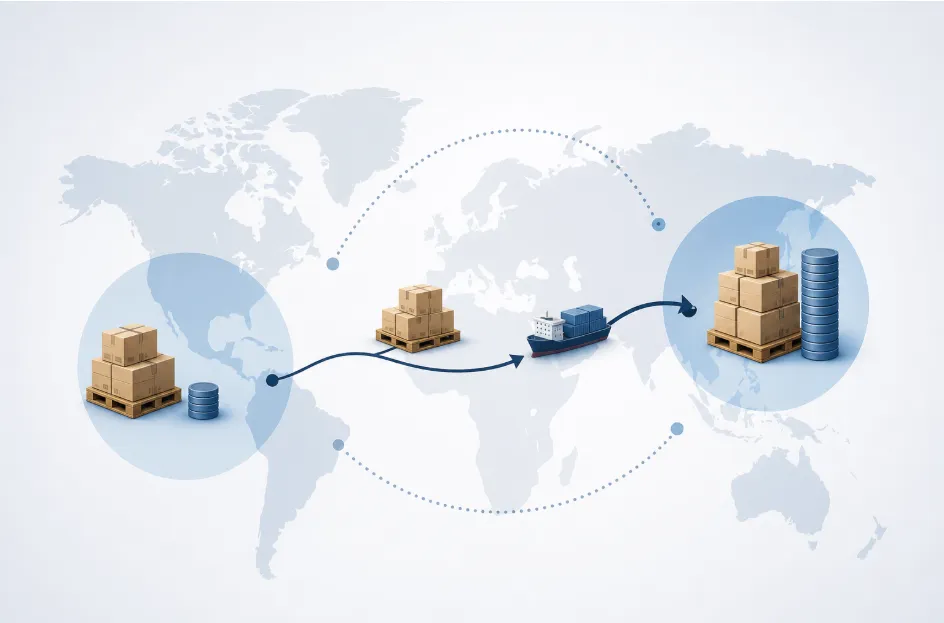
What is the silent AI tax? Generative AI gives counterfeiters and impersonators the ability to create content, spread it and disguise themselves, all at once. As a result, brands keep paying a cost unrelated to growth (the silent AI tax) on every dollar of revenue and marketing investment.
Generative AI copies product listings, brand assets, store layouts and even a brand’s tone of voice faster than a marketing campaign can spread.
The research is clear. 89% of brands have already experienced AI-driven threats, and 78% estimate these threats are eroding 5% or more of their annual revenue.
The demand marketing creates is still there. But it’s increasingly intercepted by counterfeits, brand impersonation and the gray market before it reaches official channels, and the pattern is becoming entrenched.
Growth is no longer a pure win. Unmanaged growth is a risk.
The strategic turning point captured in the 2026 State of Brand Integrity Report
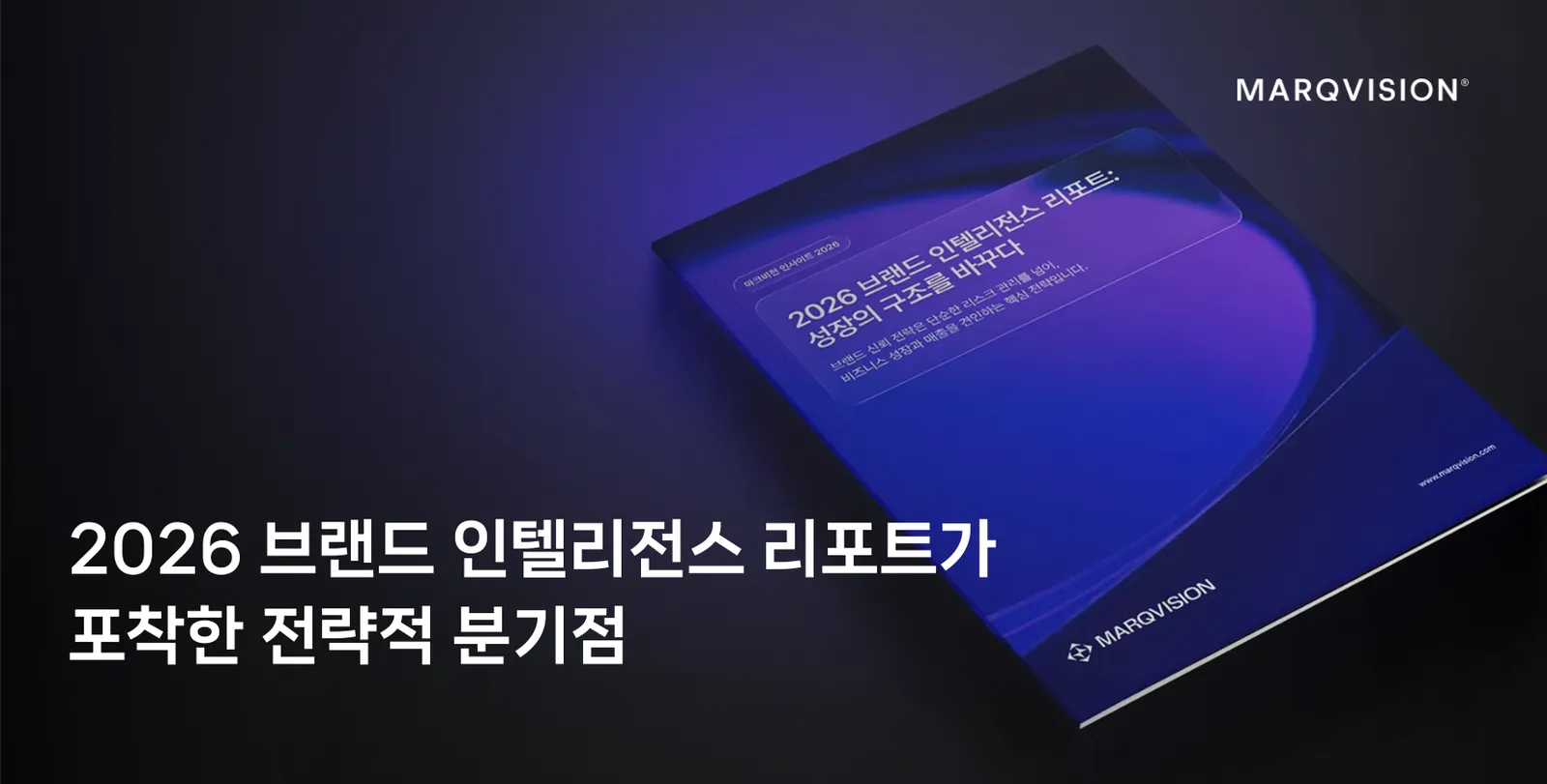
The 2026 State of Brand Integrity Report highlights the decisive turning point brands face as the environment changes.
1. A shift in metrics
85% of brand leaders believe brand protection performance should be measured with revenue-based metrics.
Yet only 50% have actually made that change. Many organizations still rely on simple activity metrics such as enforcement counts, accounts blocked and volume processed.
2. Finance’s changing role
Brand protection is no longer just a legal or operations issue. It has become a matter of revenue stability and control over demand. Reflecting that shift, 66% of finance teams at global brands support or actively sponsor investment in brand protection.
That gap is what separates brands whose results compound from brands whose results leak away.
A preview of the key insights in the 2026 State of Brand Integrity Report
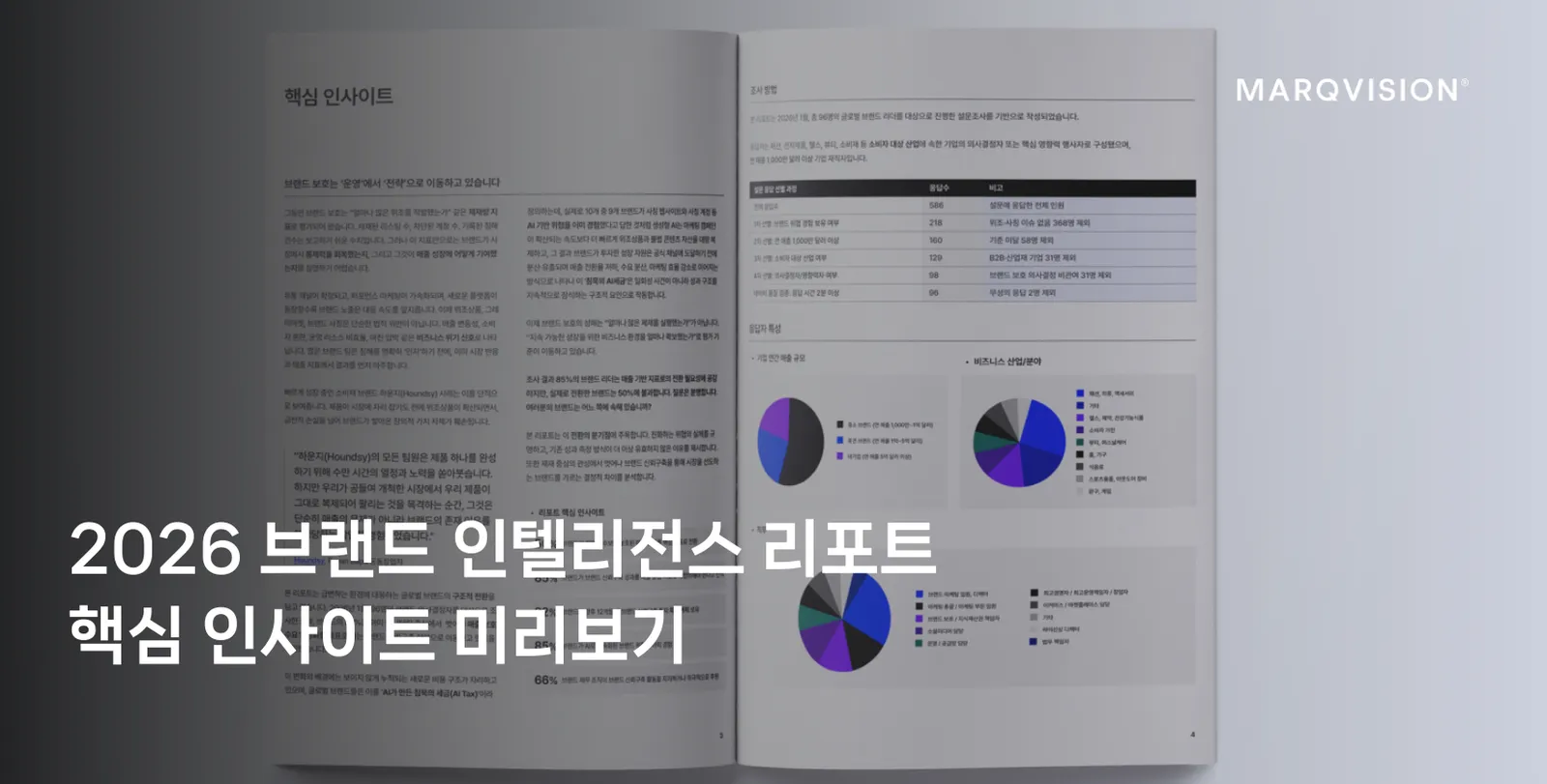
According to MarqVision’s survey of global brand leaders, most brands already recognize the limits of the old approach.
- 85% of brand leaders said brand protection performance now needs to be redefined in terms of revenue and customer trust.
- 82% of brands said they plan to increase investment from 2026 to protect their brand’s value more deeply.
But the 2026 State of Brand Integrity Report also shows one important fact: there is still a wide gap between awareness and action.
MarqVision grows with your brand

So the question brands face is this: whose results are they?
The 2026 State of Brand Integrity Report analyzes how performance leaks in the AI era, and shares the real strategies of global brands that turned brand protection from a cost into a revenue protection engine.
If your brand is preparing for what comes after success, this report isn’t just reference material. It’s a benchmark for designing your next strategy.
Pre-register for the report and be the first to get it