.jpeg)
Your customers can't tell the difference between your product and a convincing fake, and that's the whole problem. Counterfeit listings, spoofed storefronts, and gray market sellers are all betting on that confusion, and they're getting better at it every year. This guide walks through what a real brand protection program looks like for global consumer brands that have too much at stake to rely on manual enforcement alone.
TLDR:
- Counterfeit goods reached $467B in 2021 trade (latest OECD-EUIPO data available), with the digital threat accelerating since, and deepfake fraud attempts surged 2,137% over three years.
- Sophisticated sellers strip your trademark from listing titles entirely, so keyword monitoring misses large volumes of infringing inventory before your team sees it.
- Gray market pricing damage compounds fast: one unauthorized seller undercutting your MAP can trigger price-matching cascades across every channel.
- Without a registered trademark in the relevant jurisdiction, most marketplaces and ad channels will not process a takedown regardless of evidence strength.
- MarqVision covers all four enforcement pillars in one system, with detection across 1,500+ platforms in 118 countries and a 5.3-hour median domain takedown time.
What Brand Protection Means for Global Consumer Brand Leaders
For CMOs, General Counsels, and Chief Brand Officers, the assets under threat are the trademarks, product designs, content libraries, and distribution controls that took years to build. The risk is not physical, it is commercial and reputational: counterfeit listings capturing sales that should be yours, deepfakes impersonating your executives to defraud partners and customers, and unauthorized sellers quietly degrading the pricing integrity your authorized channel depends on.
These threats move faster than any legal team can track manually. They reach your customers first, capture the sale, and spend the trust you earned. Protecting brand equity at global scale is the executive-grade priority, and it demands a systemic response.
The Scale of the Threat: Why Brand Equity Is Under Attack
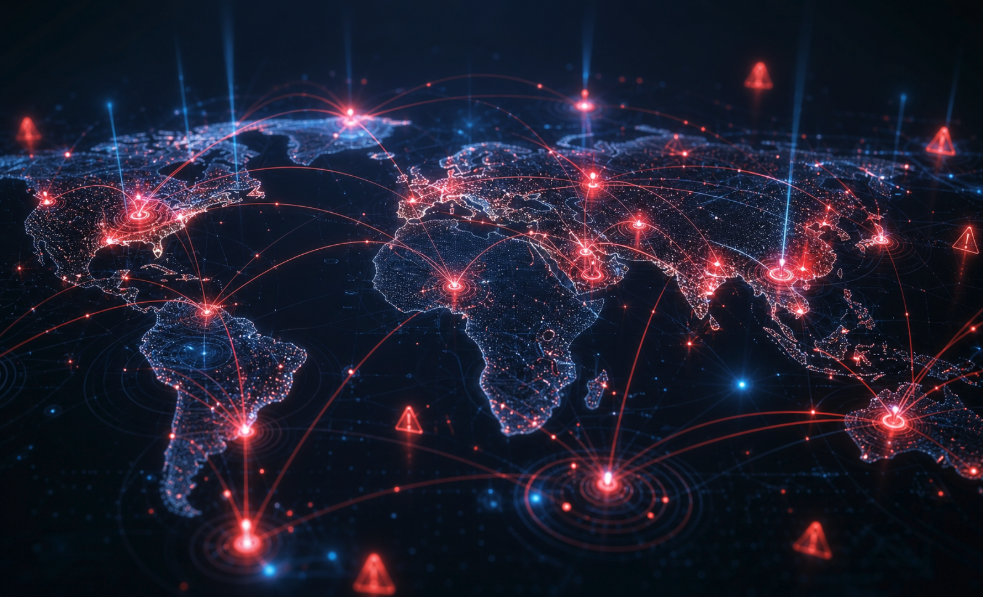
Brand equity does not erode gradually anymore. It gets attacked at industrial scale. Counterfeit goods accounted for USD 467 billion in global trade in 2021, the most recent year measured, according to a 2025 OECD-EUIPO report, and the digital side is accelerating faster still. Deepfake fraud attempts have surged 2,137% over the last three years, giving bad actors cheap tools to clone executives, spoof storefronts, and mislead your customers at volume.
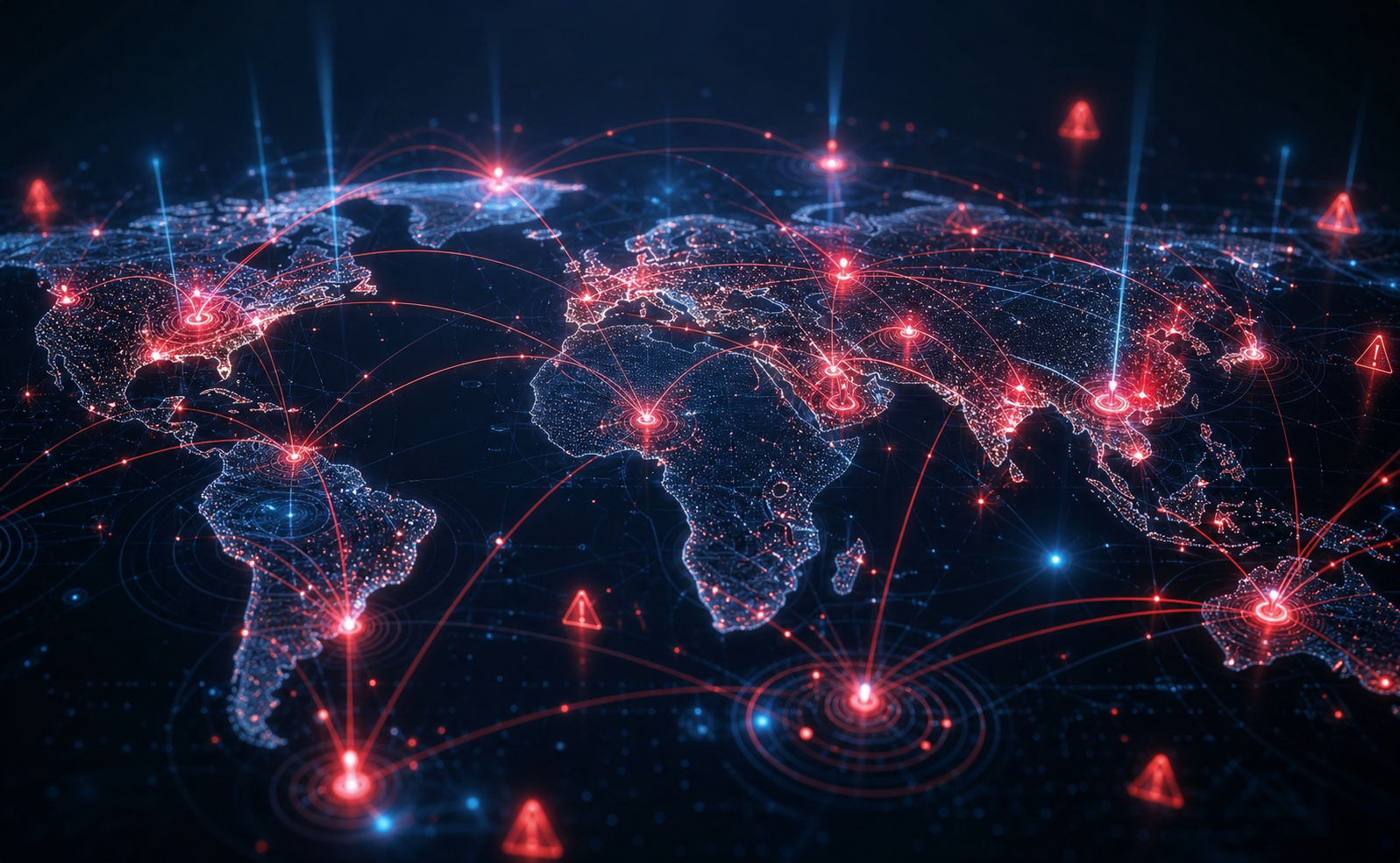
For a CMO, General Counsel, or Chief Brand Officer, the takeaway is clear. Reactive takedowns cannot keep pace with threats this fast and this large. Defending brand equity now demands a systemic response.
Counterfeits on Global Marketplaces: The Frontline Brand Risk
Counterfeits cluster where genuine demand is highest, a pattern especially acute in luxury goods brand protection, listing on the same marketplaces your real products depend on. That is the problem. Sophisticated sellers strip your trademark from listing titles entirely, copying product specifications, images, and attributes while avoiding the brand name that keyword-based monitoring keys on. The result is large volumes of infringing inventory that standard searches never surface, going live before your team ever sees them.
The cost lands on two lines at once. Every fake that reaches a buyer first captures revenue that should have been yours, and every disappointed customer blames your brand, not the seller. Lost sales are recoverable. Eroded trust compounds.
Digital Brand Spoofing and Domain Impersonation
Brand spoofing has moved well beyond fake storefronts. Bad actors register lookalike domains, clone official social profiles, and run fake ads pushing traffic to counterfeit landing pages, all under the visual identity your brand spent years building. The goal is to borrow your brand's credibility and redirect it: customers who land on a convincing fake and have a poor experience blame your company, not the fraudster. Deepfake fraud attempts have surged 2,137% over three years, giving bad actors a cheap way to produce brand-quality video at scale. A single coordinated campaign can run a lookalike domain, a spoofed social presence, and fraudulent paid ads simultaneously, each channel lending credibility to the others and compounding the reputational damage to your brand.

For C-suite leaders, that convergence is the danger. A convincing fake CEO reaches your audience across three surfaces simultaneously, and each one lends credibility to the others.
Content Piracy and the Revenue Drain on Brand-Owned Media
Brand-produced content leaks through more channels than most teams track. Live events get restreamed on Twitch, YouTube Live, and TikTok Live within minutes of broadcast. VOD libraries resurface on rogue sites and unofficial app stores. MOD APKs strip in-app purchases and subscription gates, bypassing the revenue models gaming and streaming publishers depend on. AI-generated copycat videos now slip past Content ID and keyword filters, repurposing legitimate footage to pull audiences away from owned and licensed channels.
Each vector drains revenue the same way counterfeits do. The pirated version reaches the viewer first, capturing the attention and the ad or subscription dollars that should have followed the original.
Unauthorized Sellers and Gray Market Distribution
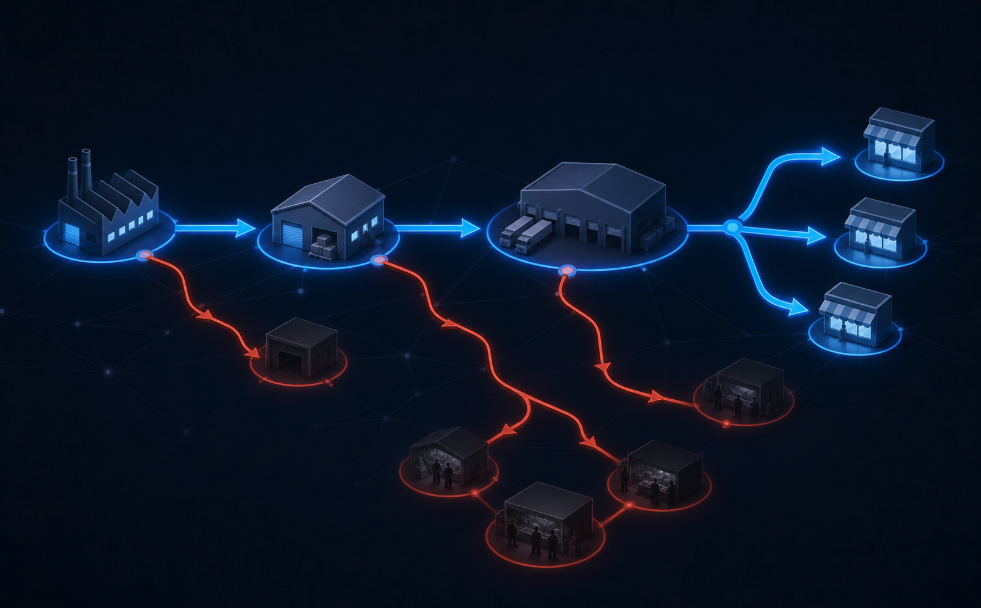
Gray market sellers rarely peddle fakes, as seen across fashion and consumer goods categories. They sell your genuine product through channels you never authorized, sourcing inventory from distributor overstock liquidated to third parties, arbitrage buys at discount retailers, and goods pulled off return pallets. Once that stock hits a marketplace, one seller undercutting your minimum advertised price can trigger price-matching cascades across every channel, dragging pricing integrity down and straining relationships with authorized partners who play by the rules.
Removing individual listings does nothing here. The same operator relists within hours under a new storefront or a family member's registration. The fix is seller-network enforcement: tracing inventory leakage back to its source, mapping the accounts behind repeat offenders, and targeting the high-impact sellers driving the damage instead of chasing listings one at a time.
Trademark Registration as the Foundation of Brand Defense
Registration gives enforcement legal standing. Platforms and courts act on registered marks; without a registered trademark in the relevant jurisdiction, most marketplaces and paid ad channels will not process a takedown no matter how strong your evidence is. That constraint governs every downstream channel.
It also sets what you can enforce against. Counterfeiters copying your logo are one problem. Domain impersonation and brand spoofing adds another layer, and dupes replicating silhouette, packaging, and aesthetic without touching your trademark are yet another, and reaching them requires registered design rights and trade dress.
Treat your portfolio as strategy. Map it across three dimensions: the markets where you sell, the marks worth protecting, and the merchandise categories carrying the most risk and revenue. File ahead of expansion, register defensively in categories a copycat might exploit, and manage filings, Office Actions, and renewals in one place.
How AI-Powered Brand Protection Differs from Manual Enforcement
Manual monitoring runs on human review cycles. An analyst searches keywords, eyes listings one at a time, and files reports by hand. Counterfeit inventory and rogue sites reach thousands of buyers before that cycle closes.
AI-native workflows work differently. Detection agents scan millions of listings across marketplaces, social channels, and domains continuously (a capability that is especially critical given how data breaches fuel brand impersonation), while image recognition and semantic analysis catch trademark-evasive listings that keyword searches miss, comparing each listing against genuine product data at the SKU level.
Speed decides the outcome. When detection, classification, and takedown run as one automated flow, threats come down in hours instead of the days a manual queue takes to clear.
Building a Full-Coverage Brand Protection Program
No single function covers a global brand. Four pillars interlock: marketplace enforcement, digital risk protection across domains and paid ads, anti-piracy for owned content, and unauthorized seller monitoring. A gap in one opens exposure in the others, since an unpatrolled domain feeds a counterfeit storefront and an unmonitored seller channel undoes your pricing.
What to weight depends on your exposure. If marketplace counterfeiting dominates, put SKU-level detection and fast takedowns first. If impersonation and domain abuse lead your threat profile, weight detection speed and registrar-level enforcement. Every program needs unified reporting, so no channel runs blind.
How MarqVision Covers All Four Pillars in One System
We built MarqVision to run all four pillars in one system instead of stitching point tools together, which is the defining advantage of AI brand protection platforms replacing legacy BPOs. Marq AI handles detection and takedown; Marq Folio manages your trademark portfolio; Marq Law carries enforcement offline into litigation and criminal action.
Our Full-Stack Detection compares each listing against genuine product data at the SKU level (see our brand protection software buyer's guide for a full review of these capabilities), reaching 99.8% accuracy on the trademark-evasive counterfeits keyword monitoring misses, across 1,500+ platforms in 118 countries. Domain takedowns clear at a 5.3-hour median, and as a Meta Trusted Reporting partner we hold a 99% ad takedown rate (internal MarqVision data, 2026). A proprietary database of 800,000 reseller profiles traces gray market inventory leakage to its source.
The Brand Intelligence Agent puts all of it in front of leadership, answering questions across your enforcement data in plain language. Want to see it against your own brand? Request a demo.
FAQ
How does AI-powered brand protection work compared to traditional manual monitoring?
Manual monitoring depends on human review cycles: analysts run keyword searches, inspect listings individually, and file reports by hand. By the time that cycle closes, counterfeit inventory has already reached buyers. AI-native detection runs continuously, comparing each listing against genuine product data at the SKU level, so trademark-evasive listings that strip the brand name but copy specifications and images are caught before the first sale completes. The practical gap is speed: AI-driven detection, classification, and takedown running as one automated flow resolves threats in hours, not the days a manual queue requires.
What should I look for in a brand protection platform for a mid-market consumer goods company?
The right starting point is your documented threat profile, not a feature checklist. If marketplace counterfeiting drives most of your exposure, put SKU-level detection accuracy and takedown speed at the top of your criteria across the platforms where your products sell. If domain impersonation and paid ad fraud are your primary vectors, weight detection speed, registrar-level enforcement partnerships, and Meta Trusted Reporting status. Mid-market brands should also confirm whether the platform covers multiple threat categories in one unified reporting system, since separate point tools for marketplaces, domains, and social media create monitoring gaps that bad actors exploit.
How do counterfeits on online marketplaces affect brand revenue and customer trust?
Fakes appear on the same marketplaces your products depend on, and sellers evade detection by stripping brand names from titles. The revenue impact lands on two lines at once: every fake that reaches a buyer first captures a sale that should have been yours, and every disappointed customer blames your brand instead of the unauthorized seller. Lost sales are recoverable; eroded trust compounds over time and is far harder to measure or reverse.
How do I stop unauthorized sellers from undercutting my pricing on global marketplaces like Amazon?
Removing individual listings does not solve the problem because the same operator relists within hours under a new storefront or a family member's account. Effective gray market enforcement starts upstream: trace inventory leakage back to its source by cross-referencing detected sellers against your distributor network, then target the high-impact sellers driving the pricing damage instead of chasing listings one at a time. One seller offering the lowest price can trigger price-matching cascades across every channel, so enforcement resources should focus on the seller causing disproportionate market harm first, with MAP monitoring running in parallel to catch violations before they compound.
How do I manage and register trademarks for a global consumer brand across multiple markets?
Treat your trademark portfolio as a strategic asset mapped across three dimensions: the markets where you sell and plan to sell, the marks worth protecting, and the product categories carrying the most risk and revenue. File ahead of market expansion and register defensively in categories a copycat might exploit, because platforms and courts act on registered marks. Without a registered trademark in the relevant jurisdiction, most marketplaces and paid ad channels will not process a takedown regardless of evidence quality. Tools like MarqVision's Marq Folio centralize filings, Office Action responses, and renewal tracking in one place, so your IP portfolio stays current as your business expands.
Final Thoughts on Brand Protection Strategy for Global Consumer Leaders
Every fake listing, spoofed account, and pirated video borrows the credibility you built and spends it somewhere else. Your customers feel the difference, even when they cannot trace it back to the source. A systemic response, one that covers marketplaces, digital channels, content, and distribution at once, is what keeps your brand equity working for you instead of for counterfeiters. Request a demo and see how the coverage holds up against your specific exposure.
Stay up to date on the latest IP Protection content from MarqVision.




4 Enforcements a Week to 400: Scale Brand Safety with Marq AI

Don’t Just Find Counterfeits. Dismantle the Entire Network.

.png)
Discover the latest trends and challenges in IP protection

Take Control of Your Trademarks with MARQ Folio
Renew and Manage Your Trademarks Easily With MARQ Folio

We’re waiting to hear from you

See the best brand protection solution in action

Don’t let piracy steal your growth

Talk to us about your brand protection problems