Pet food e-commerce trends in 2026: senior pets, AI recommendations, subscriptions and your channel strategy
Senior-pet nutrition, AI personalization and subscriptions are reshaping pet food in 2026. The price and Item Winner risks brands face, and how to respond.
 Jinie Park4 min read
On this page5
“We launched a new premium food line, and within three months there were listings on Coupang 20% below our official price.”
“We ship to subscription customers, but on Naver the Item Winner spot keeps going to unauthorized sellers.”
“Growing” doesn’t do justice to the Korean pet food market in 2026.
The way people buy is changing. As pet humanization (treating pets as family) matures, pet food buying is shifting fast along three lines: function, personalization and recurring delivery.
That’s an opportunity for brands, and a new challenge for keeping control of their channels.
Three new trends reshaping pet food in 2026
① Fast growth in functional food for senior pets
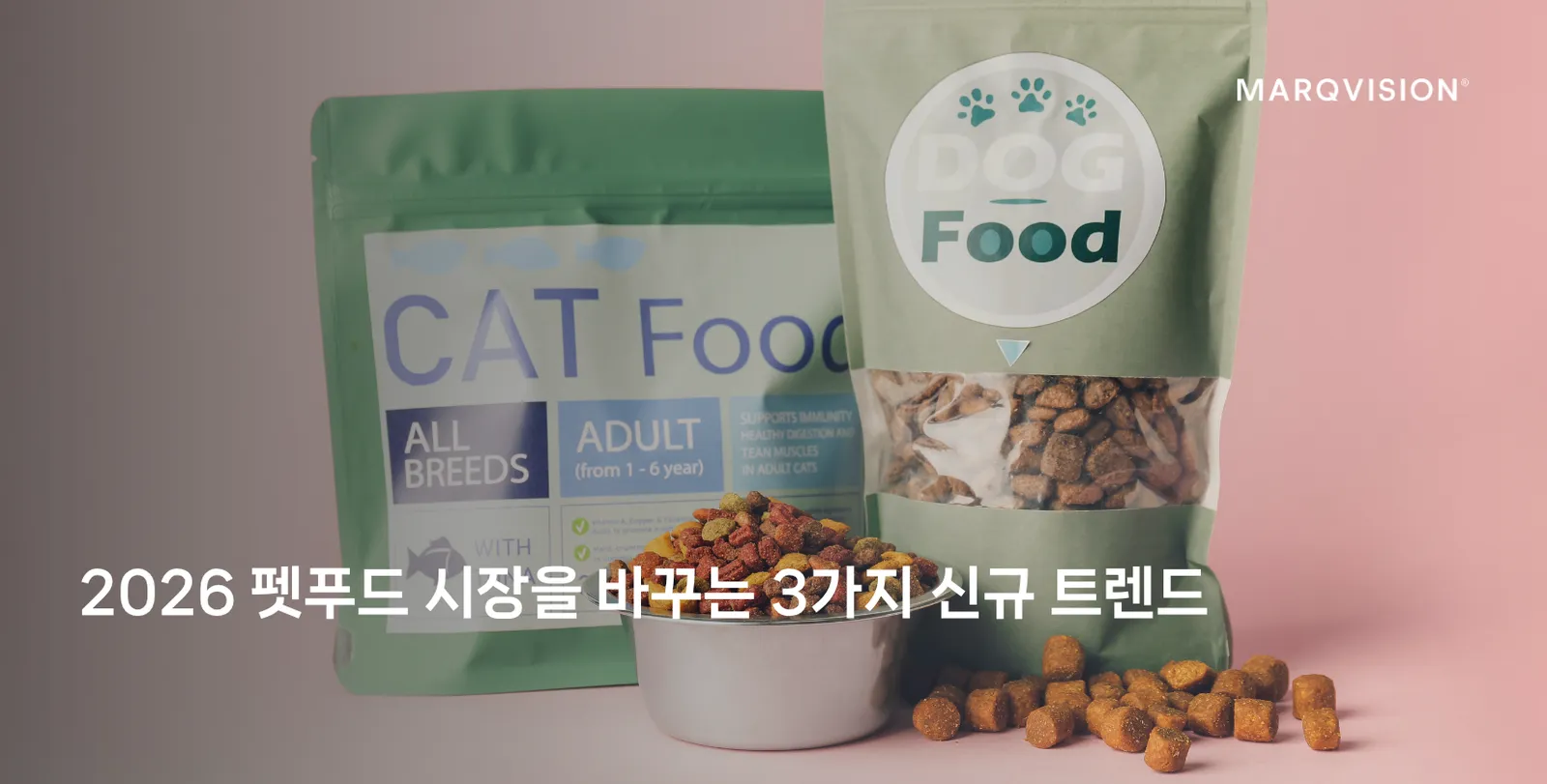
As pets live longer, the market’s center of gravity is shifting from taste to function. 93% of dogs visit a vet at least once a year), and more than half of dog and cat owners already give their pets functional supplements (62.3% of dog owners, 53.0% of cat owners). Senior formulas built around age-specific ingredients for joints, digestion and weight management are quickly going mainstream.
② AI personalization and the subscription economy
Online is already the main channel for buying pet food (73.2% of cat owners, 64.7% of dog owners), and platforms are using AI recommendations and subscriptions to pull the repeat nature of pet food buying onto their own channels. The more sales come from recurring delivery, the stickier a brand’s channel becomes. But so does the risk that unauthorized sellers undercut the subscription price and take those customers away.
③ Growth in vet-prescribed food tied to pet insurance
As pet insurance spreads quickly (from KRW 9.2 billion to KRW 79.9 billion), demand for therapeutic and functional diets prescribed by vets is emerging as a new growth category. High prices and high repurchase rates make it especially attractive to brands. But unauthorized online sales of prescription diets clash directly with pricing policy, so channel management matters even more here.
How Coupang and Naver are reshaping pet food distribution

Coupang Rocket Fresh and Naver’s grocery service remain the center of online pet food sales in Korea. The two compete for subscription customers, one on fast delivery and the other on AI recommendations, and pet food, with its high subscription conversion, has become a key battleground for the Item Winner spot.
What is Item Winner? When several sellers sell the same product on Coupang, the seller with the lowest price and best terms takes the featured spot.
When an unauthorized seller comes in below the official store’s price and takes the Item Winner spot, the brand loses visibility and control over pricing. In pet food, where brand trust and ingredient safety are everything, the hit is more direct.
The channel risks behind the growth: price erosion and lost Item Winner spots
Behind the growth of pet food e-commerce, channel risks build up without brands noticing.
The bigger the gap between the official price and the market price, as with premium and functional food, the stronger the incentive to sell cheaply through unofficial channels.
Three patterns show up most often:
- Cheap parallel imports: Products bought cheaply abroad are sold on Korean e-commerce sites 20–40% below the official price. With no checks on storage conditions or expiry dates, some cases end up harming pets’ health.
- Lost Item Winner spots: When an unauthorized seller cuts the price and takes the Item Winner spot on Coupang, the official store’s visibility drops sharply. When subscriptions are involved, that leads straight to lost customers.
- Functional and prescription diets sold through unofficial channels: When products meant to require a vet’s prescription are sold without one, trust with official partners (vet clinics) breaks down and the brand’s policy itself is undermined.
What these problems have in common is that the damage piles up before the brand notices.
Platforms don’t block this automatically, so without its own monitoring a brand can’t respond at all.
How pet food brands can protect their e-commerce channels
- Detect unauthorized sellers continuously on every platform: Regularly track unapproved listings under your brand or product names on major channels such as Coupang, Naver and 11st.
- Catch Item Winner anomalies early: Spot patterns such as sudden price drops or Item Winner changes early, and act on them.
- Automate IP-based channel cleanup: Automate reports against unauthorized sellers and listing removals based on your trademarks to respond faster.
- Manage official partner channels more closely: Keep monitoring whether authorized distributors follow your pricing policy, and be ready to act immediately on violations.
Brand protection doesn’t end with a single report. As the market grows, so do unofficial channels. Real channel control takes an automated cycle of monitoring, detection and enforcement.
How exposed are your brand’s channels right now?
Before you build a strategy, you need to know where you stand. How many unauthorized sellers are active? On which channels are prices slipping? How do your listings appear? If you can’t answer these questions right away, now is the time to check.
See where your brand’s e-commerce channels stand with a free MarqVision demo. From real data, you’ll get a concrete picture of the risks you face and where to start.
Request a free demo and start with an assessment of where your brand stands.