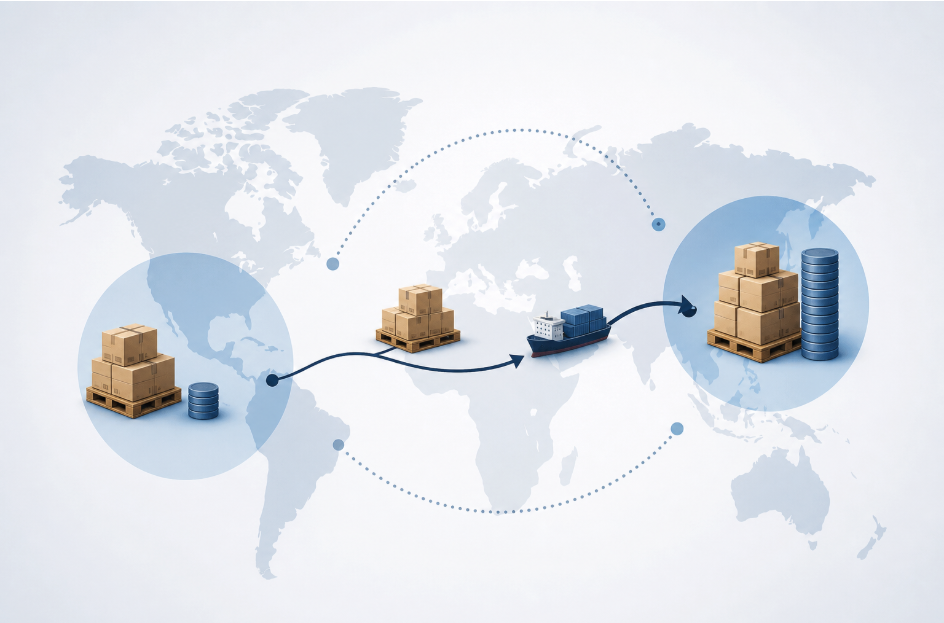

A single day's difference in a trademark filing can determine whether you own your brand in a foreign market, or lose it entirely to a competitor. For registering trademarks, understanding the legal framework in your country and abroad is important for your domestic and international brand protection. Each country uses one of two systems: "first-to-file" and "first-to-use", and which system applies determines who receives the rights to a trademark: the person who first registers it with the national IP office, or the person who starts to use the trademark in commerce.
Each country uses one of two systems: "first-to-file" and "first-to-use". These systems determine who receives the rights to a trademark - the person who first registers it to the national IP office or the person who starts to use the trademark in commerce.
TLDR:
- In first-to-file countries like China, the EU, and the UK, whoever registers first wins - prior use provides no legal defense
- Trademark squatting is the direct consequence: third parties register your mark before you enter the market, forcing costly rebranding or litigation
- The USPTO uses a first-to-use system, so prior commercial use lets you challenge a earlier competing filer, but you still need federal registration for nationwide priority
- Even first-to-file countries carry exceptions; the UK's "passing off" doctrine grants unregistered holders limited rights, so country-by-country research is required
- MarqVision offers free trademark scans to identify IP conflicts across target markets before you commit to expansion
In a first-to-file system, the rights to the trademark go to the first person or business that registers the trademark with the IP office.
Conversely in a first-to-use system, a person or business using the trademark first in commerce will receive ownership over the IP.
First-to-file Trademark System
Under this system, the rights to a trademark are granted to the first person that files a trademark application with the appropriate government authority.
In other words, registration with the trademark office is the primary determinant of ownership. The priority is given to the date of filing, not the actual use of the mark in commerce.

Even if another business has been using the trademark for a more extended period, the entity that successfully files the application first is likely to receive the legal rights to the mark.
Trademark squatting is the practice of registering another brand's trademark in a first-to-file country before the legitimate owner enters that market. China is the most commonly cited example: foreign brands have repeatedly arrived at market entry only to find their marks already registered by third parties, leaving them with costly trademark infringement laws and penalties or the need to rebrand entirely. This vulnerability exists because first-to-file systems reward speed of registration, not authenticity of ownership. International expansion plans should trigger trademark filings in first-to-file markets immediately, not after market entry, to prevent bad actors from exploiting the gap.
First-to-file Trademark Countries
The first-to-file trademark system is widely considered the approach adopted by most countries worldwide, including China, most EU nations, and the UK.
Here's a list of some major countries that adhere to the first-to-file system:
- Argentina
- Brazil
- Colombia
- China
- European Union
- France
- Germany
- Indonesia
- Italy
- Japan
- Mexico
- Nigeria
- Russia
- Spain
- South Korea
- Turkey
- United Kingdom
First-to-use Trademark System
First-to-use trademark systems, practiced in countries like the United States and Canada, put the actual use of a trademark in commerce first when granting rights.
In these systems, the entity that can prove the earliest continuous use of a trademark in the course of business typically holds the rights to that mark. Registration with the trademark office is still important for legal protection, but the date of first use carries considerable weight.

Even if someone else files a trademark application before you, your prior use may allow you to challenge their application and protect your brand.
First-to-use Trademark Countries
The first-to-use trademark system is the bedrock of trademark protection in fewer countries than the first-to-file system, but includes major economies like the US, Canada, South Africa, and others.
Here's a list of major countries that adopted the first-to-use system:
- Canada
- Australia
- Denmark
- India
- Iceland
- Ireland
- Israel
- Malaysia
- New Zealand
- United States
- South Africa
Be Careful of Exceptions
When devising a trademark strategy for international growth, it's important to acknowledge that countries might have exceptions to the standard first-to-file or first-to-use systems.
For instance, in the UK, "Passing off" is a common law tort that grants unregistered trademark holders certain rights over the registered ones. So, despite being a first-to-file country, the UK does have minor exceptions that lean more towards a first-to-use system, allowing founders more flexibility to start doing business before formalizing their IP legally.
Similarly in Spain, trademark rights usually stem from formal registration under a first-to-file system. However, if a business holds an unregistered but well-known mark in Spain, they could have the ability to oppose similar trademark applications. So a business operating in Spain can protect their brand's interests even without formal registration (based on 2022 guidance; verify current Spanish trademark law before making compliance decisions).
This is why brands planning out their trademark registrations need to research the specific trademark regulations and exceptions in target countries. Proper research in target countries is critical to crafting an effective and thorough trademark protection strategy.
Takeaways for Brands
The distinction between first-to-file and first-to-use trademark systems is simple at its core, but has enormous impacts on brands' IP management across the world.
Knowing which system is used in specific countries is important whether a business is focusing on building and expanding their IP portfolio and also for growing internationally, a topic covered in depth in our guide on protecting your brand's IP. In fact, there are compelling reasons to register your trademarks abroad before entering any new market.
The biggest mistake a brand can make is to assume a country uses a first-to-use trademark system, and setting up shop in the country without laying the groundwork for their trademark application. This can lead brands into a nightmare scenario where they invest huge sums of money into expanding their brand, opening up shops in the new region, and spending massively on marketing campaigns - all to have someone else swoop in and register the IP from under their feet.
The best practice to avoid this is to:
- Perform all the research possible into the regulations of regions that could be important to the business in the future.
- Get your IP registered in first-to-file regions before you start doing business.
- Closely monitor IP registrations in those key regions for possible clashes.
In short, staying informed and following the legal requirements of key target countries will help brands stay clear of future IP infringements and help lay the groundwork for international business growth.
Frequently Asked Questions
Does the USPTO use a first-to-file or first-to-use system?
The USPTO uses a first-to-use system. Trademark rights in the US are based on priority of use in commerce, not priority of filing. However, filing a federal application is still critical because it provides nationwide priority, legal presumptions of ownership, and stronger enforcement tools, and understanding TM vs. R trademark symbols is part of using those rights correctly.
What happens if someone files a trademark before me but I used it first?
In a first-to-use country like the US, you can challenge their application by proving your earlier date of use in commerce. However, because trademark applications are reviewed in filing order, your later-filed application may be suspended until the earlier one is resolved, which can take years and legal fees. The safest approach is to file as early as possible.
Can someone steal my trademark in a first-to-file country?
Yes. In first-to-file countries like China or the EU, a third party can legally register your trademark before you do, even if you've been using it, a practice known as trademark squatting. This is why brands expanding internationally should file in first-to-file markets before or simultaneously with market entry.
What is an intent-to-use (ITU) trademark application?
In the US, an intent-to-use (ITU) application allows businesses to reserve a trademark before they begin using it in commerce. This gives brands in a first-to-use country a filing-date priority, bridging the gap between the two systems. The applicant must prove actual use before the trademark is fully registered.
Free Trademark Scan
Protecting your brand and intellectual property is important, especially in a global marketplace where potential threats can arise, particularly in regions like China. That's why MarqVision offers free trademark scans to businesses looking to expand their IP portfolio at home or abroad.
With our free trademark scan service, we make the process of safeguarding your trademarks more accessible and efficient. Here's how it works:
- Submit Your Trademark: Provide us with your trademark details, and we'll use this as the foundation of our analysis. Your unique brand identity deserves thorough protection.
- Select Your Target Markets: Specify the countries where you are interested in protecting your intellectual property. Our service is designed to help you work through the complex world of global IP rights.
- Share Your Online Presence: To provide you with the most accurate insights, we encourage you to share your website or social media details. This information allows us to identify potential trademark conflicts on digital platforms.
After you've submitted your information, our team of experts will perform a thorough analysis, identifying any potential trademark risks. We'll then deliver actionable insights to help you make informed decisions about your IP protection strategy.
Ready to get started? Start your free trademark scan today.
Stay up to date on the latest IP Protection content from MarqVision.



4 Enforcements a Week to 400: Scale Brand Safety with Marq AI

Don’t Just Find Counterfeits. Dismantle the Entire Network.

.png)
Discover the latest trends and challenges in IP protection

Take Control of Your Trademarks with MARQ Folio
Renew and Manage Your Trademarks Easily With MARQ Folio

We’re waiting to hear from you

See the best brand protection solution in action

Don’t let piracy steal your growth

Talk to us about your brand protection problems