.jpeg)
Your grey market enforcement needs are not the same as your counterfeit drug detection needs, and your fake pharmacy problem is a third thing entirely. That distinction matters more than most pharmaceutical brand protection software vendors would like you to think. If you're building or rebuilding a pharma brand protection stack in 2026 and want to know which tools cover which threats without taking vendor claims at face value, this is where to start.
TLDR:
- The WHO reports one in ten medical products in low- and middle-income countries is substandard or falsified, making detection speed a patient safety issue, and a revenue one too.
- Counterfeit drug listings can copy packaging while stripping all trademark use, so tools without SKU-level image detection miss a large share of infringing inventory.
- Fake pharmacy sites evade standard monitoring by hiding behind privacy-protected WHOIS records and geo-cloaking, requiring registrar-level relationships to take them down.
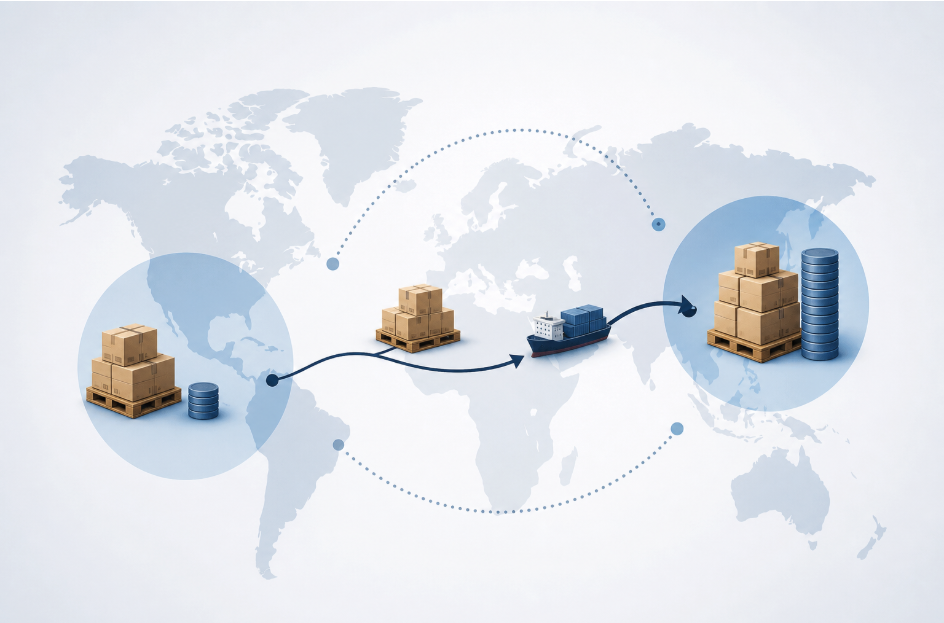
- Grey market enforcement and counterfeit enforcement need different evidence: IP claims for fakes, inventory leakage tracing and distributor matching for unauthorized channel sales.
- MarqVision covers marketplace detection, grey market channel enforcement, fake pharmacy takedown, and physical test purchase verification inside one system.
What Are Pharmaceutical Brand Protection Tools?
Pharmaceutical brand protection tools are the software and services that help drug makers find and take down threats to their products across the internet. In practice, that means detecting counterfeit drugs online, enforcing authorized distribution channels, shutting down fake pharmacy websites, and tracking grey market sales of prescription products moving outside sanctioned supply chains.
What sets this category apart from fashion or electronics enforcement is the stakes. A fake handbag disappoints a buyer. A falsified medicine can contain the wrong dose, the wrong active ingredient, or none at all, and the World Health Organization reports that one in ten medical products in low- and middle-income countries is substandard or falsified.
That patient safety dimension raises the bar. Detection speed and enforcement completeness carry weight here that pure revenue-loss calculations never fully capture.
How We Ranked These Tools
We did not run hands-on trials of every tool below. This ranking draws on vendor documentation, published case studies, marketplace coverage disclosures, and buyer reviews on sites like G2. Weigh each criterion against your own threat profile before shortlisting.
Here is what a pharma legal, IP, or brand protection team should assess:
- Breadth of marketplace and social media coverage, including regional pharmacies and messaging apps where illicit sales cluster, a core criterion when assessing online brand protection tools
- Detection accuracy for counterfeit drug listings, especially those copying packaging while stripping trademark use
- Enforcement speed and documented takedown success rates across platforms
- Grey market monitoring and unauthorized seller enforcement, including seller matching and distribution leakage tracing
- Fake pharmacy and phishing site takedown, from domain detection through registrar-level removal
- AI-driven detection automation that cuts analyst review time
- Support for physical product verification through test purchases, since formulation-level fakes cannot be confirmed from listing images alone
Best Overall Pharma Brand Protection Tool: MarqVision
We built MarqVision for the threat mix pharma teams manage daily: counterfeit listings, leaked prescription inventory, and fake pharmacy sites appearing faster than manual review can catch. Where single-category tools cover one slice, we run marketplace detection, grey market enforcement, domain takedown, and physical verification inside one system.
Core Strengths
- AI-native Full-Stack Detection compares each listing against genuine product data at the SKU level, reaching 97%+ accuracy and catching counterfeits that copy drug packaging while stripping out any trademark use.
- Social Media Network Search maps unauthorized seller networks across friend lists, group memberships, and social commerce channels, a capability particularly effective for pharmaceutical enforcement.
- Digital Risk Protection tracks 1.3B+ domains and removes fake pharmacy sites at a median response time of 5.3 hours (internal data, Q1 2026); see how brand takedown times compare across vendors, working through direct registrar relationships and Google Safe Browsing integration.
- The grey market module enforces prescription-only distribution restrictions, traces inventory leakage against a database of 600,000 reseller profiles, and issues soft notices to unauthorized distributors through Seller Dialogue.
- MarqLaw test purchase programs produce ingredient-level physical evidence for cases where a listing looks legitimate but formulation-level counterfeiting can only be confirmed in hand.
- Rotation-based marketplace monitoring lets you shift coverage as counterfeit drug activity migrates from one channel to the next.
Bottom line: you get AI-driven marketplace detection, grey market channel enforcement, fake pharmacy takedown, and physical test purchase verification in one unified system.
Corsearch
Corsearch grew through acquisition, folding Incopro, Entura, and Marketly into one trademark and enforcement offering now under private equity ownership.
What They Offer
- Trademark clearance, monitoring, and enforcement across marketplaces and social channels
- Brand monitoring spanning domains, social media, and unauthorized seller activity
- Customized enforcement workflows with case management dashboards
- An AI-enhanced detection system deployed in 2024
Good for: enterprise pharma brands already running trademark services through Corsearch who want monitoring consolidated inside one vendor.
Limitation: accounts report the 2024 AI deployment has not shown measurable detection gains, and analyst-hours pricing layered on brand protection software fees can push annual spend toward $60,000, straining mid-market budgets.
Bottom line: Corsearch fits large IP portfolios focused on trademark consolidation, but teams wanting transparent AI-driven enforcement metrics and cost-efficient grey market coverage will find a more accountable option elsewhere.
OpSec Security
OpSec Security, now part of Crane NXT, pairs physical product authentication with digital brand monitoring, and it has served pharmaceutical and luxury brands for decades. Its heritage sits in on-product security features, not automated online enforcement.
What They Offer
- Physical product authentication through holograms, forensic markers, optical elements, and serialized labels
- Online marketplace and domain monitoring for counterfeit and infringing listings
- Track-and-trace supply chain compliance and serialization for compliance-driven industries, including pharma
Good for: pharma companies needing physical authentication tied to digital enforcement, particularly those already managing serialization under the Drug Supply Chain Security Act.
Limitation: OpSec's digital enforcement runs on analyst-hours billing and a sequential cease-and-desist cycle, producing slower response times than vendors using direct registrar relationships and automated workflows, a gap noted in third-party marketplace reviews.
Bottom line: teams whose primary threat is online counterfeit drug listings and fake pharmacy sites will want faster AI-driven enforcement than this legacy workflow delivers.
MarkMonitor
MarkMonitor, acquired by Com Laude in January 2026, launched an updated intelligence-led brand protection suite in April 2026, building on its history in domain portfolio management, anti-cybersquatting, and trademark enforcement for enterprise brands.
What They Offer
- Corporate domain portfolio management, DNS security, and domain acquisition
- Automated and manual takedowns for infringing websites and social media content
- UDRP filings and ccTLD dispute resolution
- Cease-and-desist programs and anonymous domain acquisition for strategic asset recovery
Good for: pharma brands whose primary threat is domain abuse, cybersquatting, and branded drug name impersonation sites, and that want deep registrar expertise paired with enforcement.
Limitation: MarkMonitor's roots sit in a lawyer-driven, per-action model, and every enforcement recommendation in the 2026 suite is still manually reviewed by experts, making it slower to scale against high-volume counterfeit listings or widespread grey market enforcement.
Bottom line: MarkMonitor suits enterprise teams with complex domain portfolios and drug-name cybersquatting exposure, but brands needing automated marketplace and grey market enforcement at scale will find an AI-native full-stack approach more efficient.
Red Points
Red Points focuses on automated counterfeit detection and marketplace enforcement, with most of its client base in the small and mid-market segment. It runs a delegated enforcement model, so your team confirms each infringement detection before any takedown fires.
What They Offer
- Automated counterfeit product detection across global e-commerce marketplaces
- Image similarity scoring with customer-set thresholds that trigger takedowns
- Social media and domain monitoring for brand abuse
- Revenue recovery backed by litigation support
Good for: smaller pharma or consumer health brands wanting a self-service detection tool with low entry cost.
Limitation: Red Points caps copyrighted product images at 50 per plan, skips enforcement on major Chinese social commerce channels including Pinduoduo, Douyin, and Xiaohongshu, and teams dealing with unauthorized sellers on Amazon will find its managed enforcement add-on costly, and prices managed enforcement as an enterprise add-on at $5,000 per month above the base fee. For pharma brands with China exposure and lean teams, those gaps compound fast.
Bottom line: Red Points fits small and mid-market consumer health brands that self-manage enforcement reviews, but companies with global distribution or Chinese market exposure outgrow its structural limits quickly.
BrandShield
BrandShield concentrates on fake website detection, phishing takedown, and the cybersecurity threats tied to online fraud, extending monitoring across social media, domains, and domain impersonation.
What They Offer
- Fake website and phishing site detection and takedown
- Social media brand impersonation monitoring across major platforms
- Counterfeit seller detection on e-commerce channels
- Domain monitoring for brand abuse and cybersquatting
Good for: pharma brands whose main worry is fake online pharmacy sites, phishing portals cloning branded patient or prescriber drug portals, and direct-to-consumer fraud.
Limitation: BrandShield publishes no Mean Time to Resolution figures, leaving pharma legal teams without a measurable SLA. Its cybersecurity emphasis also leaves grey market channel enforcement and unauthorized seller network monitoring thinly covered.
Bottom line: BrandShield handles phishing and fake pharmacy site threats well for cybersecurity-led use cases, but teams needing marketplace counterfeit enforcement, grey market tracing, and social seller detection in one place will find broader coverage elsewhere.
Feature Comparison Table of Pharma Brand Protection Tools
Compare the six tools across the capabilities pharma teams weigh most before shortlisting.
FAQ
What is the difference between counterfeit drug enforcement and grey market enforcement online?
Counterfeit enforcement targets falsified products: fake pills and supplements, cloned packaging, listings passing off unauthorized goods as genuine. Grey market enforcement targets authentic drugs sold outside sanctioned channels by unauthorized resellers who bypass prescription controls or distribution agreements. The evidence differs too. Counterfeit cases lean on IP claims and product verification; grey market cases hinge on tracing inventory leakage and matching sellers against authorized distributor lists.
Do these tools work for both branded and generic pharma companies?
Yes, though threat weighting varies. Branded manufacturers face heavier drug-name cybersquatting and packaging counterfeiting. Generic makers see more grey market diversion and unauthorized reseller activity, a pattern driving adoption of AI brand protection platforms over legacy models. If your primary exposure is brand-name impersonation, lead with domain and fake-pharmacy takedown. If it is channel leakage, weight seller matching and prescription distribution enforcement first.
How do test purchase programs support online pharmaceutical enforcement?
When a listing looks legitimate from images and text alone, a test buy is the only way to confirm formulation-level counterfeiting. Physical inspection surfaces mismatched lot numbers, missing seals, and off-spec contents that platforms increasingly demand before acting on a report. For pharma, the test buy doubles as both authentication and the evidentiary record a takedown request needs.
Why is fake online pharmacy detection harder than counterfeit listings?
Rogue pharmacies spin up new domains constantly, hide behind privacy-protected WHOIS records, and geo-cloak content to evade monitoring. They also live outside marketplace reporting frameworks, so takedown depends on registrar relationships and hosting-provider unmasking instead of standard complaint forms.
Why does jurisdiction-specific trademark registration matter for enforcement?
Platforms and courts act on registered marks. A mark registered in the EU may not satisfy enforcement requirements on a US marketplace storefront, and paid ad takedowns stall without a registration in the jurisdiction where the ad appears. Audit your registrations against every market where you enforce before scoping a program.
Why MarqVision Is the Best Pharma Brand Protection Tool
For pharma teams, the deciding factor is whether one vendor can close the gaps others leave open. We do that by pairing Social Media Network Search, built expressly for pharmaceutical seller networks, with Full-Stack Detection that flags counterfeit drug listings even when they strip out every trademark. Add prescription distribution enforcement in the grey market module, and you can act on channel leakage that IP claims alone cannot reach.
The result is fewer handoffs and less exposure sitting unresolved. When a listing looks clean but the formulation is suspect, MarqLaw test purchases put physical evidence in hand, so your takedown request carries the proof platforms now demand.
FAQ
How do I choose between MarqVision, Corsearch, OpSec, MarkMonitor, Red Points, and BrandShield for pharma brand protection?
Start with your primary threat vector. If counterfeit drug listings and grey market channel leakage dominate your exposure, weight tools with AI-native marketplace detection and seller matching: MarqVision and Corsearch cover both, though Corsearch skews toward large trademark portfolios. If domain abuse and drug-name cybersquatting are the core problem, MarkMonitor's registrar depth is purpose-built for that. If your budget is lean and your enforcement team is self-managed, Red Points fits, though its gaps surface quickly once China exposure or prescription distribution enforcement enters the picture. BrandShield handles phishing and fake pharmacy sites well but leaves grey market and marketplace enforcement thinly covered.
When is physical test purchasing necessary instead of relying on digital detection alone?
Any time a listing replicates branded packaging but formulation-level counterfeiting is the actual threat. Image recognition and text analysis cannot detect substituted active ingredients, off-spec dosages, or missing seals; that confirmation only comes from handling the product. For pharma, the test buy also doubles as evidentiary documentation: platforms increasingly reject takedown requests supported only by website images, requiring physical inspection photos showing lot numbers, packaging details, and authentication features before they will act.
Is MarqVision better than Red Points for pharma companies with Chinese marketplace exposure?
For pharma teams with material China exposure, MarqVision covers the channel; Red Points structurally does not. Red Points caps copyrighted product images at 50 per plan and skips enforcement on Pinduoduo, Douyin, and Xiaohongshu, the channels where counterfeit drugs and unauthorized prescription products cluster heavily. If your enforcement program requires action on Chinese social commerce channels or prescription distribution monitoring, Red Points' structural limits create gaps that compound quickly for pharma-specific use cases.
What should pharma legal teams check before scoping a grey market enforcement program?
Audit your trademark registrations against every jurisdiction where you plan to enforce before signing any contract. Platforms act on registered marks, and a mark registered in the EU may not satisfy enforcement requirements on a US marketplace storefront. For prescription distribution enforcement in particular, confirm whether the vendor's seller matching capability can cross-reference your authorized distributor list against a reseller database; this is the mechanism that traces inventory leakage, and not every tool on this list offers it.
Why does fake online pharmacy detection require different capabilities than marketplace counterfeit enforcement?
Rogue pharmacies operate outside marketplace reporting frameworks entirely, so standard complaint forms do not apply. Takedown depends on registrar relationships, hosting-provider unmasking, and Google Safe Browsing integration, not IP claims filed through a marketplace portal. They also spin up new domains continuously and geo-cloak content to evade monitoring built on periodic scraping cycles. The enforcement path runs through abuse reporting channels, WHOIS unmasking, and direct registrar engagement, a separate capability stack from the marketplace detection and takedown workflows that handle counterfeit drug listings.
Final Thoughts on Fighting Counterfeit Drugs and Grey Market Enforcement
Patient safety makes pharmaceutical brand protection different from every other enforcement category, and that raises the bar on detection speed, enforcement completeness, and the depth of coverage you need across channels. The tools above each cover parts of that picture, but the gaps between them matter. Request a MarqVision demo to see how the full-stack approach closes those gaps in one system.
Stay up to date on the latest IP Protection content from MarqVision.




4 Enforcements a Week to 400: Scale Brand Safety with Marq AI

Don’t Just Find Counterfeits. Dismantle the Entire Network.

.png)
Discover the latest trends and challenges in IP protection

Take Control of Your Trademarks with MARQ Folio
Renew and Manage Your Trademarks Easily With MARQ Folio

We’re waiting to hear from you

See the best brand protection solution in action

Don’t let piracy steal your growth

Talk to us about your brand protection problems