A guide to fighting counterfeits for health supplement brands
Fake supplements could hit your brand too. How to respond to counterfeits spreading from collagen to probiotics: real cases and strategies you can apply now.
 Irene Lee4 min read
On this page3
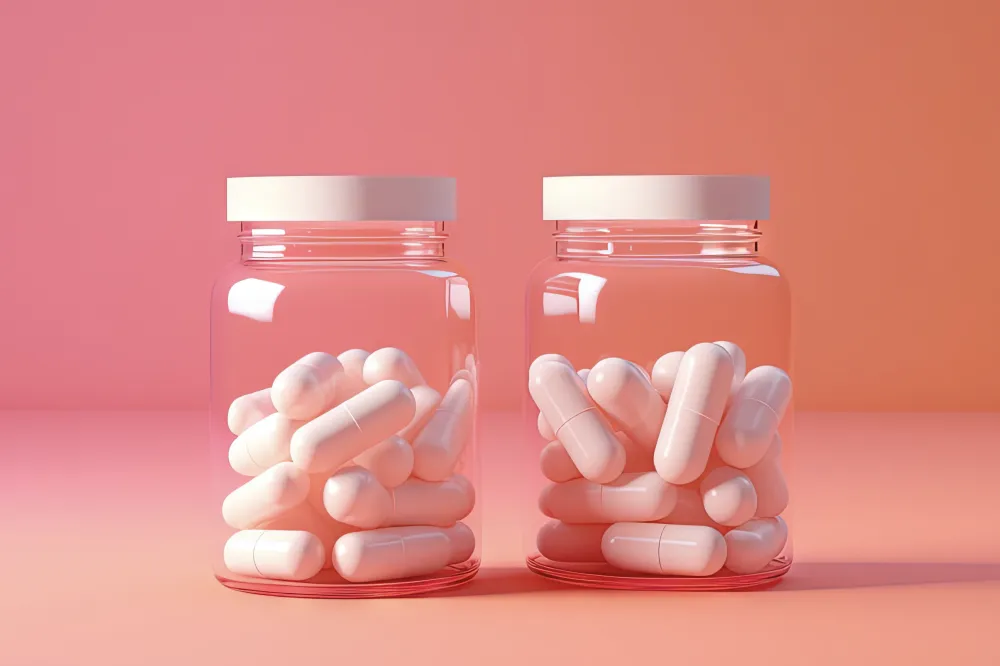
Collagen, multivitamins, probiotics: health supplements are now an essential part of many people’s routines. Once a niche, the category is growing fast on the back of influencer marketing, personalized solutions and demand grounded in scientific data, with new brands appearing and products being reformulated all the time. Consumer expectations are higher than ever.
But as the market grows, so does counterfeiting. Bad actors cleverly exploit consumer trust and regulatory loopholes to sell and distribute fake supplements online that are almost indistinguishable from the real thing. And they sell through the same major e-commerce platforms and social media channels real brands use, which makes genuine and fake products hard to tell apart and limits what brands can do. The result goes beyond inconvenience to serious consequences: consumer complaints, damaged reputations, safety problems and lost sales.
Why counterfeit supplements are especially dangerous
Unlike medicines, health supplements can be launched relatively freely as long as their ingredients meet the Ministry of Food and Drug Safety’s standards. Safety and efficacy are the manufacturer’s responsibility, so the manufacturer’s capabilities matter more than individual expertise.
But this structure also makes it easy for bad actors to exploit the system and distribute counterfeits. Fake products that deceive consumers can circulate as if they were genuine, without going through any formal process.
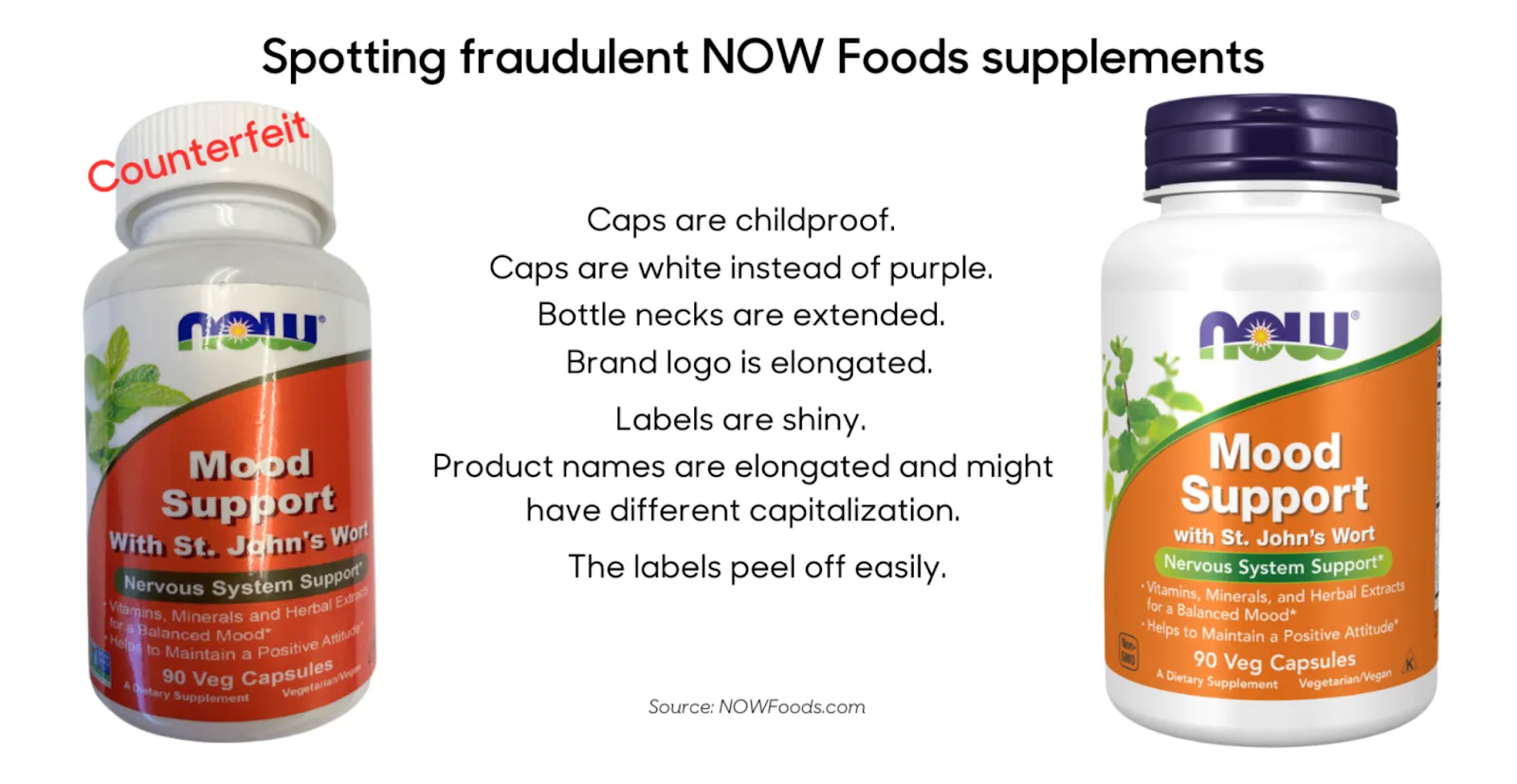
In the US in particular, products can be launched without prior approval from the FDA (or, in Europe, the EMA). A well-known case is NOW Foods. Long-time customers noticed abnormalities in the smell, color and capsule texture of products bought online, and investigation revealed counterfeits filled with rice flour and no active ingredients. Some products even contained pharmaceutical ingredients such as sildenafil.
In another case, Host Defense Mushrooms discovered that many counterfeits of its popular lion’s mane mushroom (Fungi Perfecti) product were ranking at the top of Amazon search results. The fakes contained allergens such as gluten and soy that the brand had deliberately excluded, a problem that could seriously threaten consumers’ health and damage trust in the brand.
Four ways to tell genuine products from counterfeits
Helping consumers spot counterfeits easily and choose correctly is the most basic and important step a brand can take.
1. Check the seller
Marketplaces such as Amazon and Walmart may not vet products perfectly. Brands should provide their official website and a list of authorized sellers so consumers know where they can buy with confidence.
2. Check the packaging
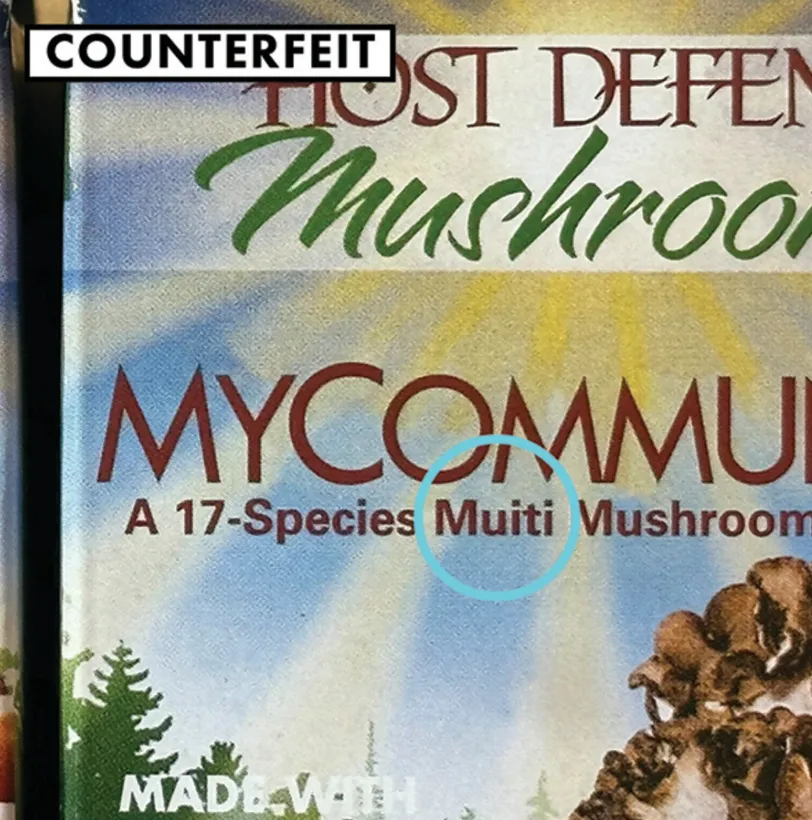
Typos (for example, “multi” → “muiti”) and subtle differences in fonts and colors are key clues to counterfeits. Batch numbers, expiry dates, authenticity stickers, customer service contacts and the Ministry of Food and Drug Safety mark are also worth checking.
3. Check the product itself
An odd taste, color or smell, or a rough texture, should raise suspicion of a counterfeit. Genuine products keep consistent quality from batch to batch.
4. Monitor reviews
Watch out for sudden waves of negative reviews or reports of adverse reactions. Make it easy for consumers to report suspected counterfeits to the brand. A brand’s community is often where counterfeit detection starts.
Practical strategies for supplement brands
Fighting counterfeit supplements takes a comprehensive, proactive strategy that goes beyond blocking listings.
1. Strengthen consumer education
The first step is helping consumers identify counterfeits and report them actively. NOW Foods, for example, created and distributed its own counterfeit guide, raising brand trust and loyalty at the same time.
2. Use your intellectual property (IP)
Build a structured response on your registered trademarks, from test purchases to platform reports and legal action. Combining continuous online monitoring with IP enforcement, as Host Defense did, can effectively reduce the volume of fakes in circulation.
3. Report to regulators and platforms
When you find counterfeits, report them immediately to the Ministry of Food and Drug Safety and the marketplace concerned. A brand’s report is key evidence for removing dangerous products from the market, and it helps make the whole industry safer.
Beyond counterfeit supplements, cases of foreign medicines disguised as health supplements and sold without authorization are also rising. As prescription drugs are sold without authorization online, on social media and on global marketplaces, the pharmaceutical industry too needs detection and response strategies. MarqVision is enhancing its AI so brands can detect and respond to cases like these early.
In the health supplement industry, which has grown on health and trust, counterfeits and medicines distributed without authorization threaten a brand’s core value. With clear guidance for consumers, IP protection and monitoring across sales platforms, brands can stay a step ahead of the risks of counterfeits and unauthorized distribution.
Counterfeits are spreading fast. How is your company responding? Sign up for free monitoring from MarqVision and get a response strategy tailored to your products and sales channels.