How gray-market sales really affect K-brand growth, and how to respond
The gray-market, price-collapse and Buy Box risks K-brands face on global marketplaces, and practical ways to keep control of your brand on Amazon and beyond.
 Jinie Park4 min read

On this page5
The gray-market structure and response strategy every K-brand needs to understand
K-brands have grown fast over the past few years across categories such as beauty, fashion and home. Counterfeits used to be seen as the biggest threat to that growth. Today, the forces undermining brand control are far more varied.
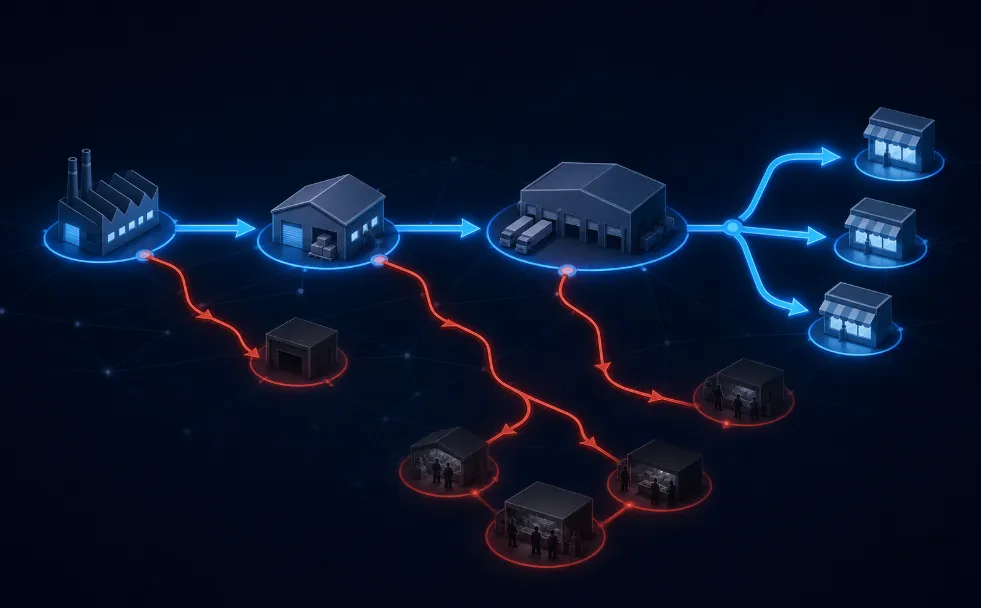
Genuine and unofficial products increasingly compete side by side: gray-market (unauthorized) sales, the spread of dupes, parallel imports through cross-border shopping, and more unofficial distribution through resellers. The trend is spreading from Korea’s major open marketplaces to global platforms. One product sells at many price points, and genuine and unofficial products are mixed together so shoppers can’t easily tell them apart. Dupe content on social media is growing fast too, promoting similar products below list price, and brands everywhere are seeing their pricing strategy, quality reputation and customer experience shaken at once.
These changes in the Korean market mean more than more complicated distribution. They’re a warning sign that brands are losing real control over pricing, quality and distribution. Many K-brands already see lower revenue from price collapses, more conflict with official distribution partners and declining brand trust, and the problem keeps getting more serious.
How gray-market sales are amplified on global marketplaces

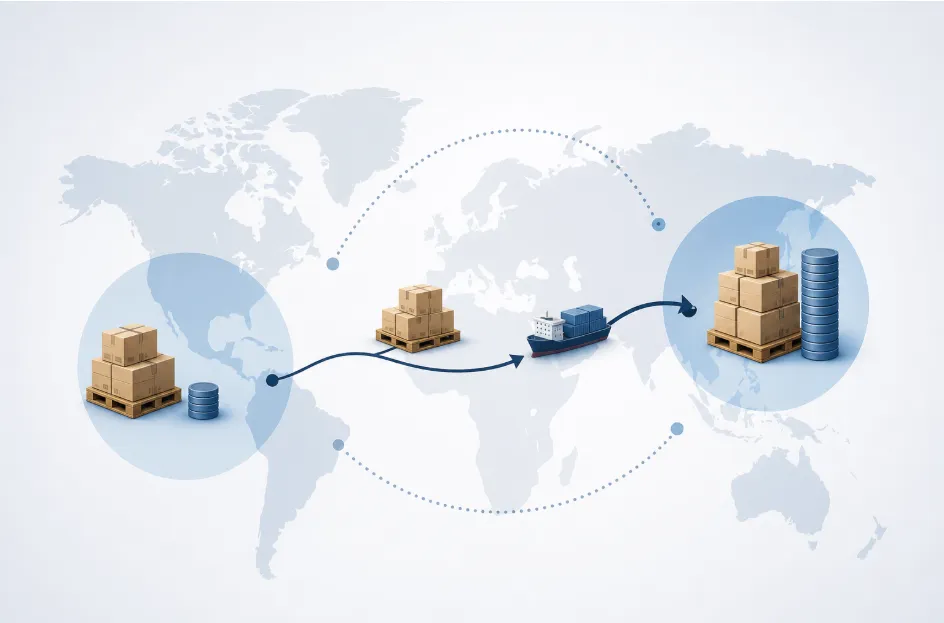
Gray-market trends that start in Korea are amplified faster and more strongly on global marketplaces in the US and Europe.
On major marketplaces such as Amazon, Walmart, eBay and TikTok Shop, official sellers, unauthorized sellers, parallel importers and even counterfeiters compete on a single product page, which raises the risk and makes the response harder.
The seller with the lowest price takes the Buy Box, and the pricing strategy and MAP policy a brand worked hard to hold can collapse with a single price drop. Most US shoppers click “Buy Now” without checking who the seller is, so an unauthorized seller very often shapes a customer’s first experience. If quality inconsistencies or shipping and after-sales problems arise along the way, trust in the whole brand inevitably wavers.
On top of that, each country treats gray-market sales and resale differently, so the approach that works in Korea can’t simply be applied everywhere. In the US, MAP policy and price stability are key. In Europe, strong freedom-of-commerce rights make resale hard to restrict. In Korea, gray-market sales aren’t illegal in themselves, but managing distribution and prices is essential. The same problem calls for different responses in different countries, so you need real expertise in platform policies and each country’s distribution structure.
Gray-market sales aren’t just a pricing problem. They’re a structural risk that fundamentally weakens the “brand control” a brand needs to maintain. When prices waver, the effects spread to distribution partner trust, social media and review-driven sentiment, and the customer experience, ultimately affecting most of the core values a brand needs to protect.
The gray-market response framework K-brands should follow
The approaches K-brands use against unauthorized sales, whether they’re preparing to go global or already there, fall into four stages. Each stands on its own, but they work best together.
1) Prevention: building the foundation for brand control
Brands need to put a structure in place to control distribution, pricing and quality before problems arise. The first step is adding clauses that prohibit online gray-market sales to official distribution contracts and documenting a MAP policy to agree standards with partners. That said, global platforms act largely as intermediaries, so it’s hard to ask them to take action based on a breach of contract between a brand and its partner. These advance agreements are mainly useful as a basis for managing official partner contracts and handling disputes.
Meanwhile, unlike in Korea, MAP policies carry relatively clear weight in the US market, so they’re sometimes used as grounds for raising issues with or acting against specific sellers. Ultimately, what matters at the prevention stage is that brands set clear standards of their own that account for each country’s regulations and platform structure, and establish advance agreements with partners.
2) Detection: catching changes in prices, sellers and content early
The key to gray-market response is how quickly you spot warning signs. Price changes, new sellers, shifts in the Buy Box, and changes to product page images and descriptions are all early indicators. Brands need to monitor these changes regularly and catch them early to stop problems from spreading.
MarqVision’s AI-based monitoring detects price changes, new sellers and shifts in Buy Box ownership across marketplaces, so brands don’t miss the moment to act.
3) Analysis: turning data into insights practitioners can use
This stage goes beyond checking “who’s selling” to pinpointing which sellers caused a price collapse, which products are more vulnerable, and where abnormal signals started in a particular region or platform. What matters here isn’t listing data but connecting it to actionable insights that legal, sales and e-commerce teams can act on right away.
4) Risk mitigation: stopping the spread and regaining control
The final stage is stopping problems before they spread and regaining brand control. Reporting tampered product pages or product mismatches, sending warnings, adjusting partnerships and improving product page quality aren’t so much about eliminating problems as keeping them from spreading and stabilizing the market again. Beyond short-term fixes, this becomes a long-term strategy for protecting brand value.
Learn more about MarqVision’s gray-market solution
MarqVision: a partner that strengthens brand control
MarqVision isn’t just a gray-market monitoring tool. It offers a brand control solution designed to help brands manage global distribution strategically.
AI-based price monitoring identifies price erosion early, helping brands maintain their pricing strategy. Brand exposure analysis shows what distribution patterns appear on major marketplaces and sales channels, giving brands a fuller understanding of market conditions.
Seller monitoring is designed to identify a seller’s sales patterns and characteristics when a risk signal appears, and on that basis provides practical, strategic insights legal, sales and e-commerce teams can use.
MarqVision’s goal isn’t just to remove particular sellers. It’s to help brands regain “brand control” over pricing, distribution and visibility, which makes operations more efficient and strengthens long-term brand value and growth.
Need deeper insight and hands-on support?

MarqVision’s newly released report, “Amazon Buy Box Survival Strategy 2025,” draws on the experience and real data of 130 US brand practitioners to take an in-depth look at how gray-market sales, price collapses and Buy Box losses affect brands, and how to respond.
If your K-brand is preparing to enter the US or already sells on Amazon, TikTok Shop, eBay or elsewhere, it’s full of insights you shouldn’t miss.
If you’d like a specific risk assessment for your brand, or want to see gray-market, price change and Buy Box detection in action, request a demo. We’ll quickly give you an initial analysis and a direction for your response that your team can use right away.