Brand integrity trends for 2026: how to handle the gray market and pricing
In 2026, brand integrity isn't optional. How brands keep customers' trust as e-commerce changes, from the gray market and pricing consistency to impersonation.
 Jinie Park4 min read
On this page6
2025 fundamentally changed brand protection. What started to decide a brand’s competitiveness wasn’t how much exposure it got, but how consistent and trustworthy the customer experience was.
Over the past year, MarqVision solved real problems brands faced across counterfeits, the gray market, brand impersonation, illegal content and trademark management.
But the most important question for us was this: “Can one idea explain everything MarqVision does?” The answer is brand integrity.
What is brand integrity? A comprehensive business strategy that goes beyond protecting a brand’s intellectual property (IP),
keeping its value, credibility and economic return intact across the online market and supporting sustained growth.
In 2026, brand integrity will become the core operating standard of modern e-commerce.
How brand integrity differs from traditional infringement response
Many brands still treat responding to infringement and building brand integrity as the same activity. But they differ clearly in purpose, scope and how they’re run.
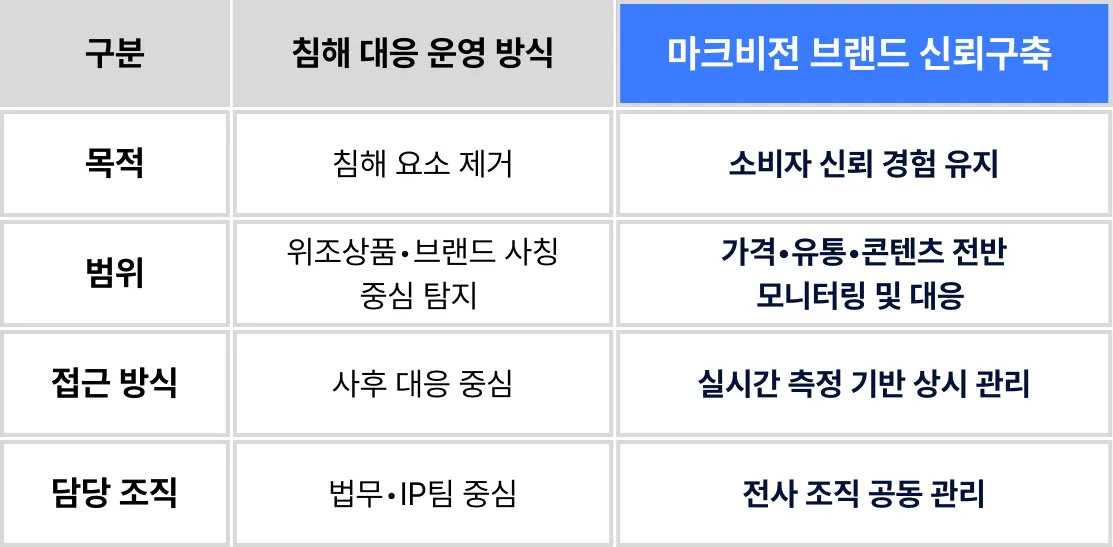
In short, traditional infringement response is just one part of brand integrity. Brand integrity is a broader operating strategy for keeping a brand consistent and well managed everywhere online.
Why brand integrity matters now
In e-commerce, customers see the prices, sellers and content on display before they see a brand’s official message. That naturally raises questions:
- Where can I buy this and trust what I get?
- What’s the official price?
- Where is this brand cheapest?
The moment a brand can’t answer these questions clearly, trust starts to slip.
And at the center of that is the gray market.
How does the gray market affect brand integrity?
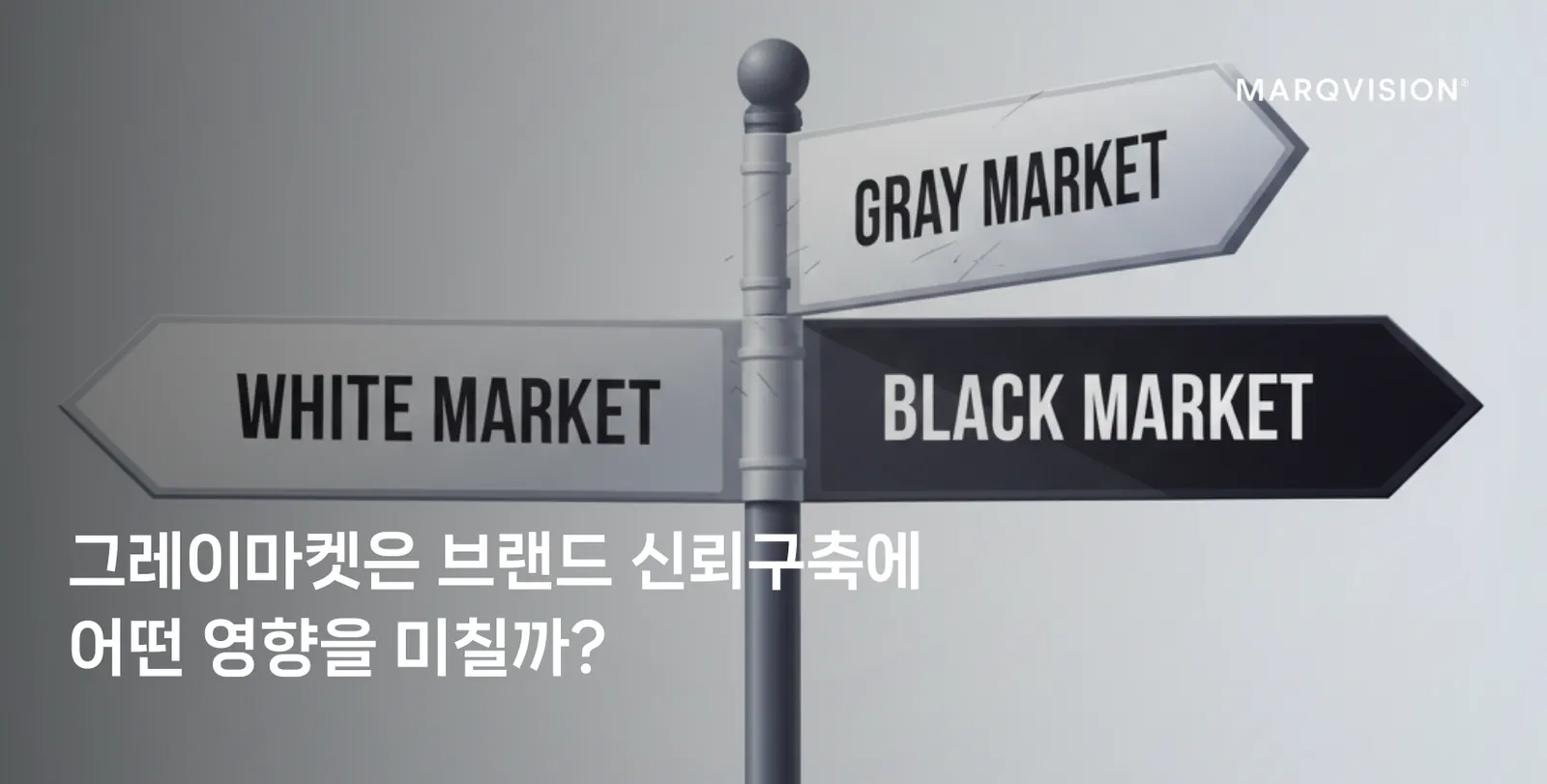
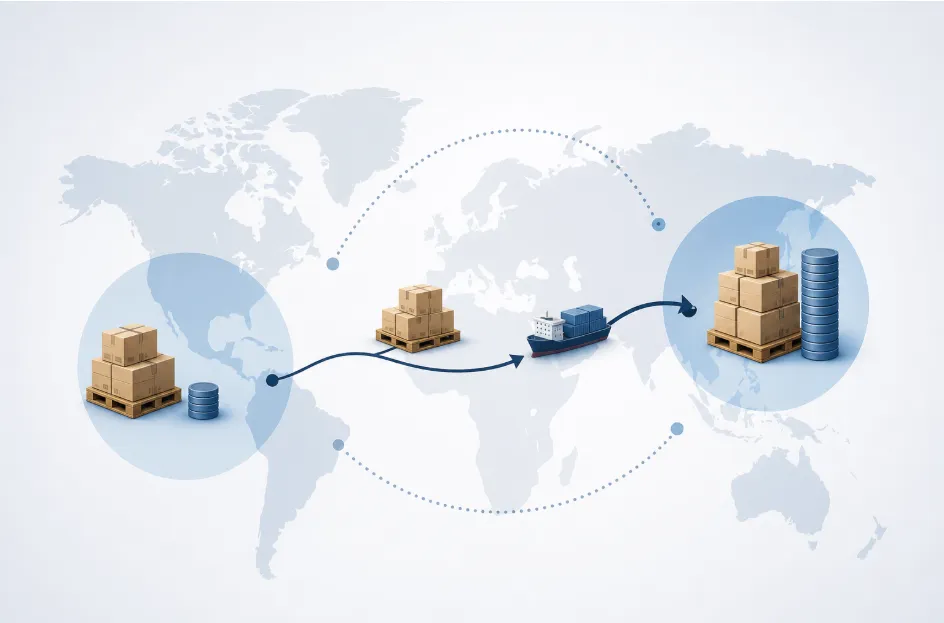
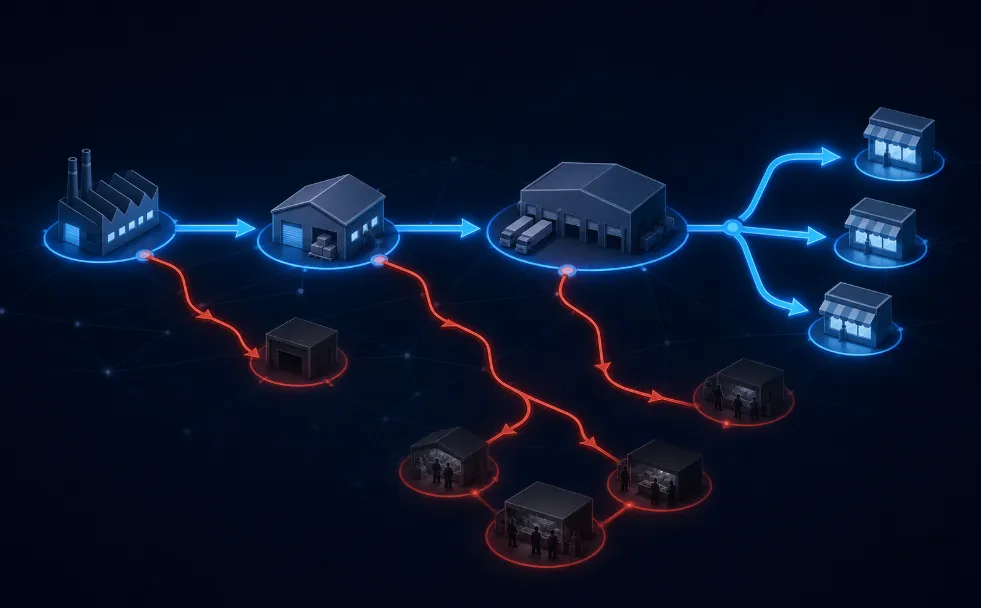
The gray market isn’t simply products sold outside official distribution.
In practice, it causes all of these at once:
- A breakdown of pricing policy
- Weaker trust in official sellers
- A distorted brand position, which structurally weakens brand integrity.
On major marketplaces in particular, gray-market sellers often rank more prominently than official sellers, or reach customers first with prices and content the brand never intended.
The brand comes to be seen as “unmanaged,” and rebuilding trust takes far more time and money. That’s how the gray market wears down brand trust, slowly but steadily.
Fighting the gray market isn’t about “did we take it down”
Many brands treat the gray market as a matter of removing listings or blocking illegitimate sellers. Enforcement is essential, of course. But enforcement alone won’t solve the problem.
The real problem is that brands can’t continuously understand and manage:
- Which SKUs keep running into problems
- On which channels prices collapse, and why
- Which sellers are structurally distorting the market
So in 2026, brands need to focus on measuring and understanding before they enforce.
10 brand integrity predictions for 2026
1. Measurement comes before enforcement
Brand integrity stops being a one-off project and becomes an operating metric managed all the time.
2. SKU-level management becomes the baseline
If you don’t look at the SKU level, gray-market problems will always be issues with no known cause.
3. Pricing consistency is where brand trust begins
Price is the most intuitive signal customers use to judge a brand.
4. Brand protection and security meet at impersonation
Brand impersonation isn’t an image problem. It’s a direct operational and financial risk.
5. With AI content, transparency builds trust
What matters is less whether you use AI than how much you disclose and how you explain it.
6. Marketplaces factor trust into ranking
How well an official store is managed ties directly to its search visibility.
7. Enforcement gets smaller and more precise
Rather than enforcing more, brands need to manage precisely the points that shape how customers see them.
8. Distribution contracts matter again
Data becomes the key evidence in contracts and negotiations.
9. Brand integrity becomes a company-wide KPI
It becomes a metric the whole organization manages together, not one department.
10. Brand integrity is managed on one platform
Instead of scattered tools, brands need one flow from measurement to enforcement.
In short, all 10 directions come down to one common standard:
- Managing pricing consistency
- Controlling official sellers and distribution
- Monitoring the gray market
- Responding to brand impersonation and illegal content
- An operating model built on continuous measurement
In other words, brand integrity doesn’t mean solving each problem separately. It means managing every threat under one operating standard.
Where to start
MarqVision helps brands deliver a consistent, trustworthy experience wherever they appear online. Brand integrity starts with managing everything that threatens a brand, from the gray market and counterfeits to impersonation and illegal content, on one platform. The value that management builds grows and pays off.
If you want to start building brand integrity systematically, take the first step with MarqVision. In a demo, you can see an initial risk assessment and a monitoring flow tailored to your brand.
FAQ: brand integrity
Q. Is brand integrity the same as brand protection?
A. No. Brand protection is one part of brand integrity; brand integrity is a broader brand operating strategy.
Q. Why is the gray market a problem for brand integrity?
A. It breaks down pricing and distribution order, which directly damages how much customers trust the brand.
Q. Which team should own brand integrity?
A. The whole company should manage it together: legal, marketing, sales and operations.
(Original article: From Unlimited Exposure to Real Control: 10 Brand Integrity Predictions for 2026)